Selma Still Matters | The Nation


What was born there was a new definition of who can become an American. And this legacy is under threat.
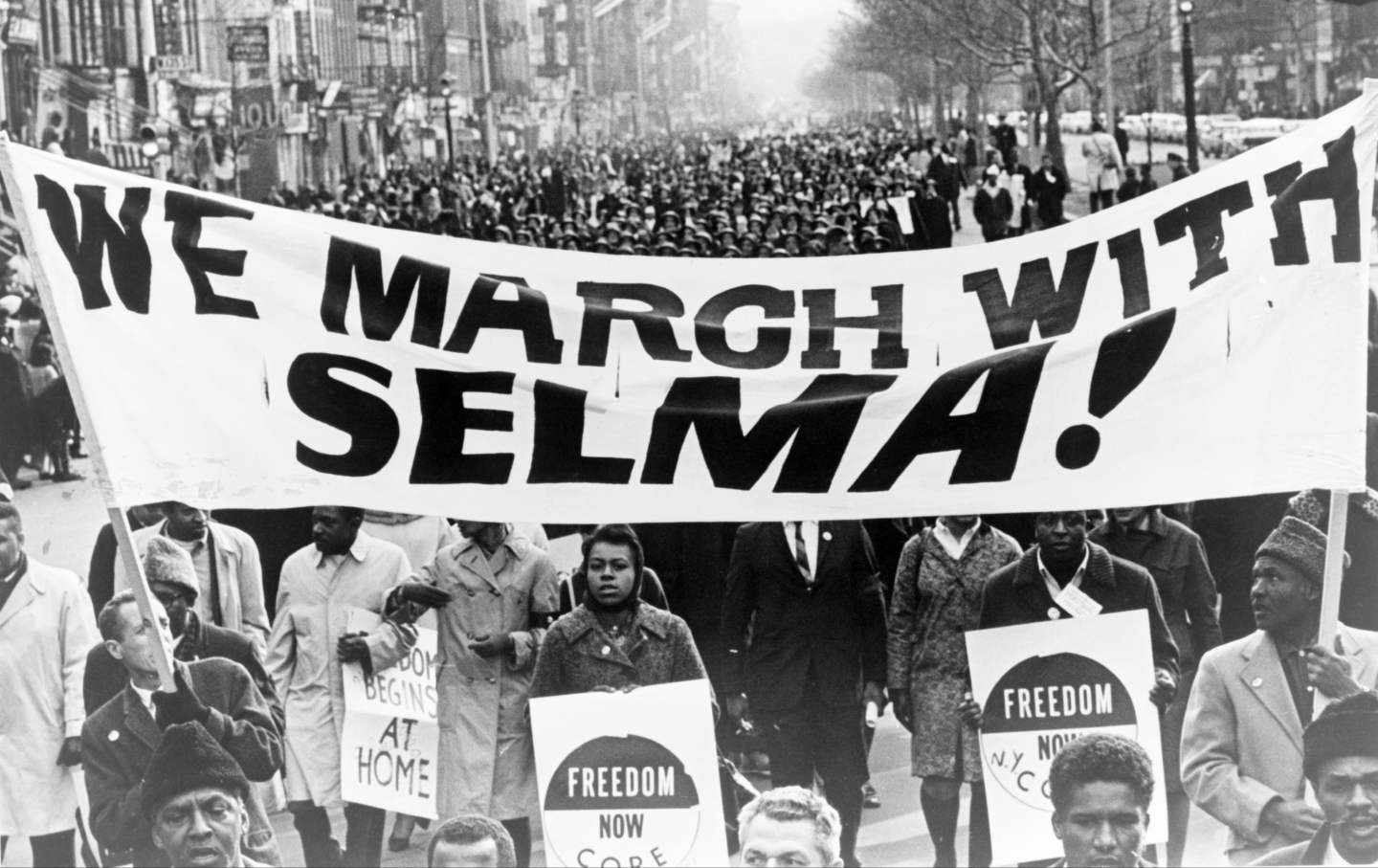
We returned to Selma, Alabama, this year, not as dignitaries or guests at a ceremony, but as heirs to an unfinished revolution. And we didn’t go there alone. We brought in a new generation: organizers from the Latino, Somali, Hmong, Cambodian and Laotian communities. Many of them had just seen armed, masked ICE agents descend on their neighborhoods in Illinois and Minnesota. Just like the students of 1965, they came to Selma to stand up, speak out, and demand that America finally become what it always promised to be.
It was a reminder that it’s not just about history. It’s now.
In 1965, ordinary people walked out of Brown Chapel AME Church and onto the Edmund Pettus Bridge, asking for one basic thing: to be seen. Counting. Be treated as a full citizen in your own country. They carried no weapons. They did not storm any capital. They carried faith, dignity and a demand as old as the republic itself: the right to vote. For this, they were met with tear gas, whips and batons. John Lewis’s skull was fractured not because he broke the law, but because he dared to insist that the law finally apply to black people.
From the blood on this bridge came two of the most transformative laws in American history: the Voting Rights Act and the Immigration and Nationality Act of 1965. The VRA not only changed the rules, it changed who could have power. This forced states with a long history of racist voter suppression to obtain federal approval before changing their election laws. It gave communities real tools to combat racial gerrymanders, blanket gimmicks, and the thousand covert tricks designed to ensure that black and brown voters can be counted but never really count. Voter registrations have exploded. New voices, new leaders, new possibilities have emerged.
Simultaneously, the Immigration and Nationality Act dismantled the racial hierarchy enshrined in U.S. immigration law, ending the national origins quota system that favored immigrants from Northern Europe.
What was born on that bridge was a new definition of who can become an American. But the forces that tried to stop those protesters in 1965 never disappeared. They adapted. They learned to use paperwork instead of batons. And today they are back.
Current number
The Trump administration has sent an unprecedented number of immigration agents to Democratic states and communities of color. The Department of Justice executed a high-profile raid in Fulton County, Georgia, seizing 2020 ballots and voter rolls, to restart a settled election and cripple all future elections. Attorney General Pam Bondi sent a letter to Minnesota Governor Tim Walz that amounted to a ransom demand: hand over complete, unredacted voter rolls, or your communities will continue to live under siege.
This is not about law enforcement. This is intimidation, power disguised as process.
The Supreme Court Shelby County The move had already gutted the Voting Rights Act’s preclearance system, tearing out its spine and allowing states with racist pasts to rewrite election rules without federal review. Voter ID requirements, reduced voting hours, and three-dimensional maps drawn to dilute the political power of Black and Brown people have cropped up across the country. Now Trump is pushing for the SAVE Act, a “show your papers” law designed to lock out millions of eligible citizens who simply don’t have the right government-issued documents, all to solve a non-citizen voting problem that doesn’t exist. Ongoing Supreme Court cases threaten to further hollow out the VRA. Together, these tactics form a coordinated attack on the very idea of multiracial democracy. We recognize it because we have seen it before. Although the methods are different, the intention is the same.
And as we reflect on Selma, we recognize that we are not mere observers of this history; we are its products. One of us is the first Muslim elected to Congress and statewide office, a reality made possible because of Selma. The other grew up as the son of the late Rev. Jesse Jackson, who marched from Selma to Montgomery and became an aide to Dr. Martin Luther King Jr. The bridge we crossed this year spans our lives. And the new generation passing through it – the DREAMS and daughters of refugees, the community organizers and new voters – are the continuation of Selma’s legacy.
Every tactic deployed today is designed to do what Bull Connor’s clubs couldn’t do: scare people into participating. So that democracy seems dangerous. But Selma teaches us something that Bull Connor never understood: when you smash the skull of someone who is peacefully marching towards justice, you don’t stop the movement. You become its fuel.
The students who demonstrated in 1965 were fighting to be recognized as citizens with the right to vote. We are fighting to extend this recognition to everyone who lives in this country. The struggle is not behind us. This is happening now, right here, in real time – and now we are the ones who must answer the call to action.
More than The nation
The city is at the forefront of fighting the use of big tech to surveil residents. But AI poses new threats.
Functionality
/
Sasha Abramski
A manifesto for an AI revolution that benefits as many people as possible, not just billionaires.
Functionality
/
Representative Ro Khanna
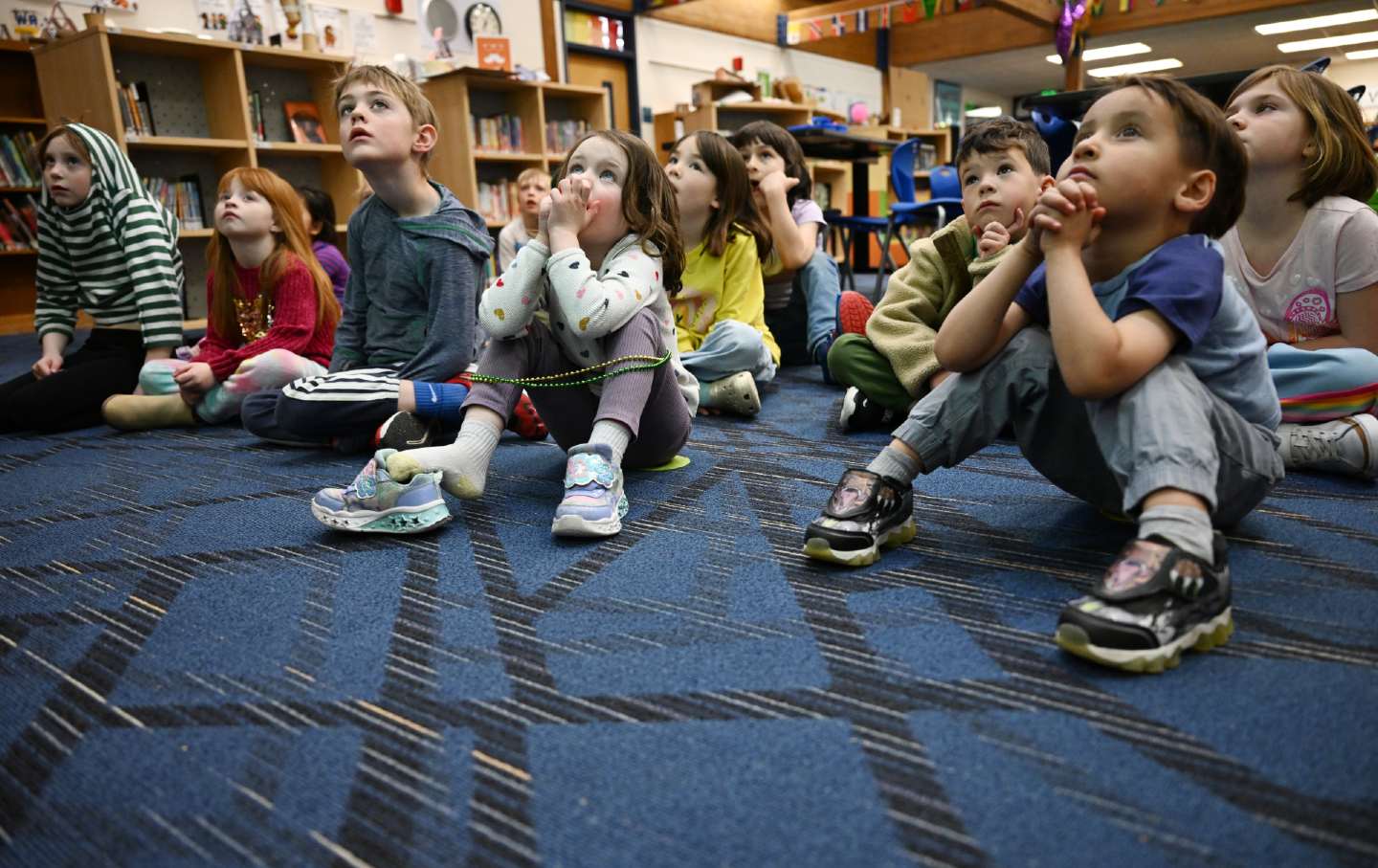
More and more students are being indoctrinated into a cold cult of “efficiency,” where training workers for corporate employment is seen as the ultimate priority.
Jonathan Kozol

Debt collection. Parole decisions. Utility monitoring. All of this is entrusted to AI, with terrible consequences for the poor.
Column
/
Kali Holloway

Vote for veterinarians… The meaning of evangelical…Billionaire ball clubs…
Our readers
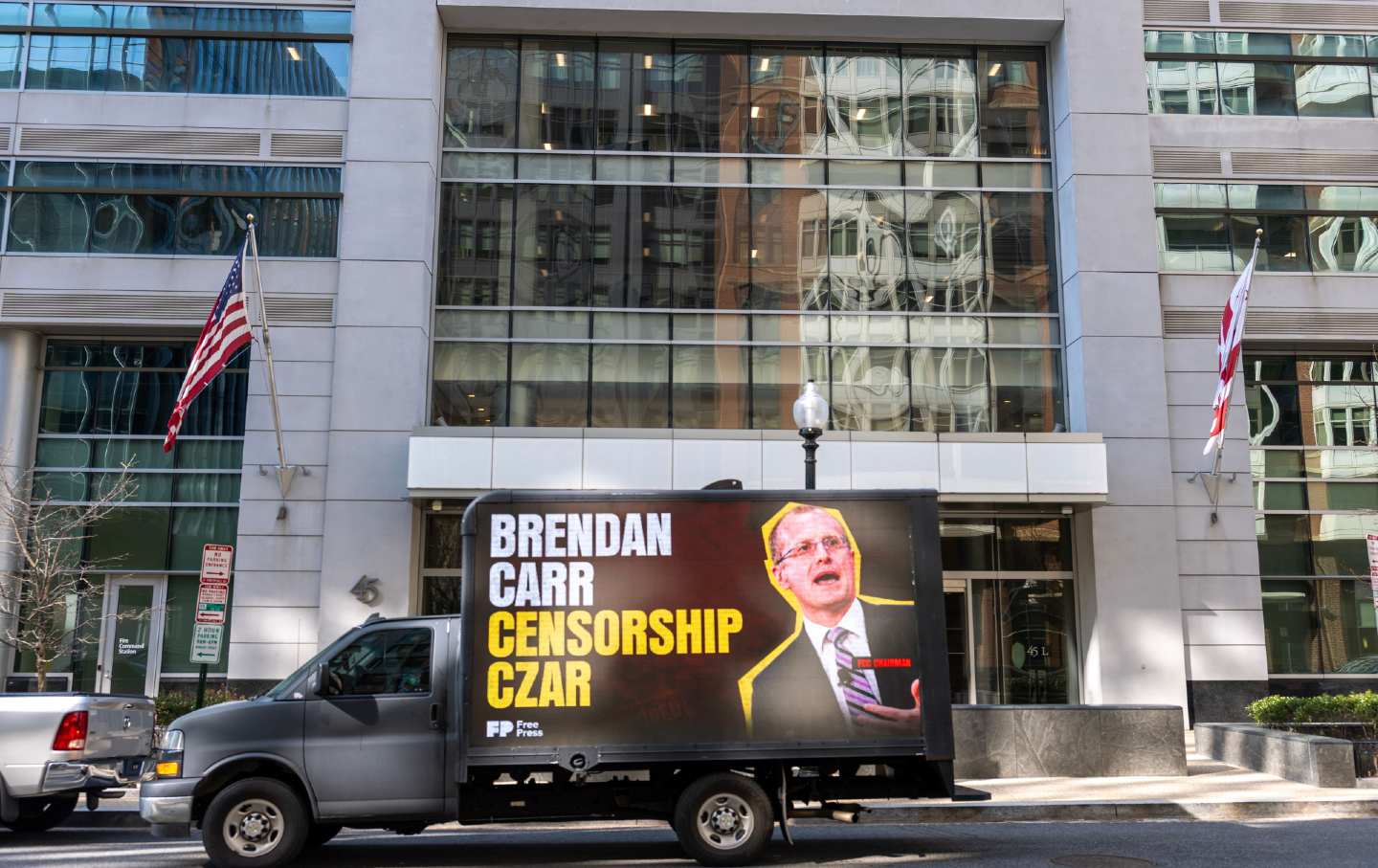
The White House is following an old authoritarian model for suppressing dissent.
Greg Ruggiero


