Rob Schneider warns ‘Nazi’ label now used to silence disagreement


NEWYou can now listen to Fox News articles!
Comedian and actor Rob Schneider said on a recent episode of “The Dr. Phil Podcast” that comedy exposes hidden beliefs, while warning that labels like “Nazi” and “white supremacist” are increasingly used to shut down disagreements, as he discussed the psychology of humor, social offense and self-censorship.
Schneider warned that terms historically associated with extremist ideologies are now used more broadly in everyday disagreements.
“Instead of saying you’re wrong, I hate you, you’re a demon, you’re a Nazi, you’re a fascist, because I’m old school,” Schneider said.
“I come from a place where those words were used to refer to fascists, Nazis and white supremacists,” he continued. “They were not used to refer to people who disagree with you.”
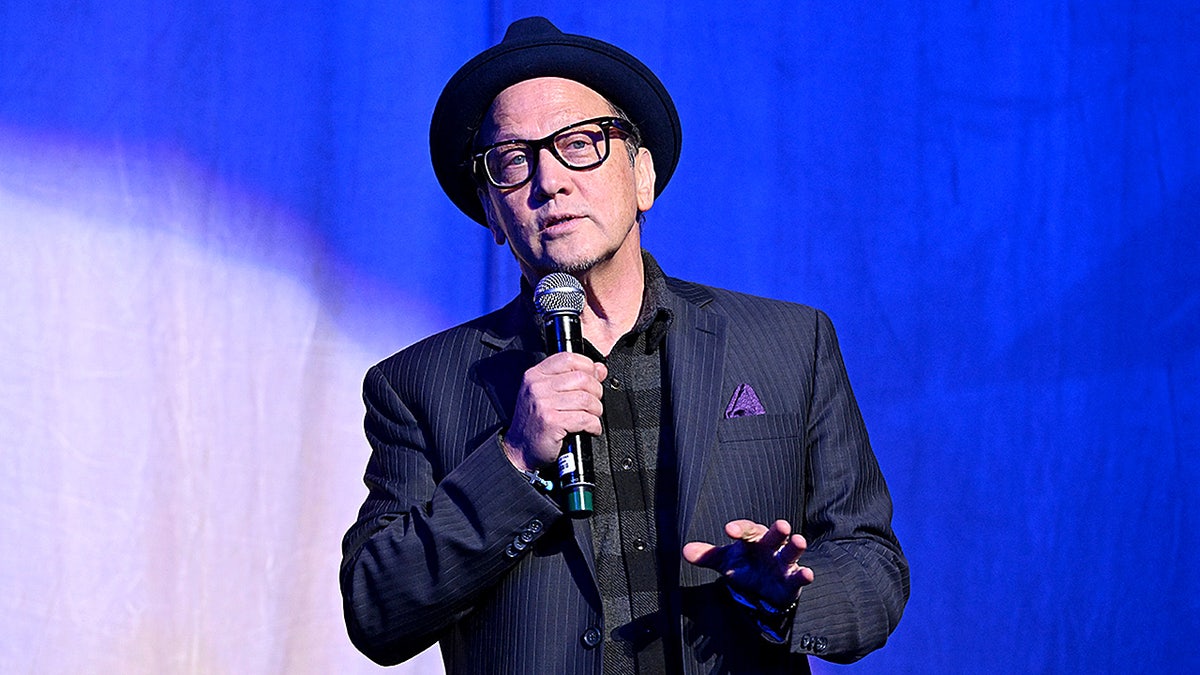
Rob Schneider talks on “The Dr. Phil Podcast” about how comedy exposes hidden beliefs and reflects cultural tensions. (Michael Tullberg/Getty Images)
ENTOURAGE STAR JEREMY PIVEN SAYS PEOPLE ARE TOO EASILY TRIGGERED AND NEED TO HEAR EACH OTHER
He linked this change to a broader erosion of dialogue, referring to the consequences of shutting down conversation altogether.
“When you stop the conversation, that’s when the violence starts,” Schneider said.
Schneider made the remark while discussing the death of Charlie Kirk and the importance of maintaining open debate, arguing that demonizing opponents carries real risks.
The interview focused on the psychology of comedy, particularly how humor brings out thoughts that people may have privately but avoid expressing. Dr. Phil McGraw introduced comedy as a tool that reveals underlying beliefs and cultural pressure points.
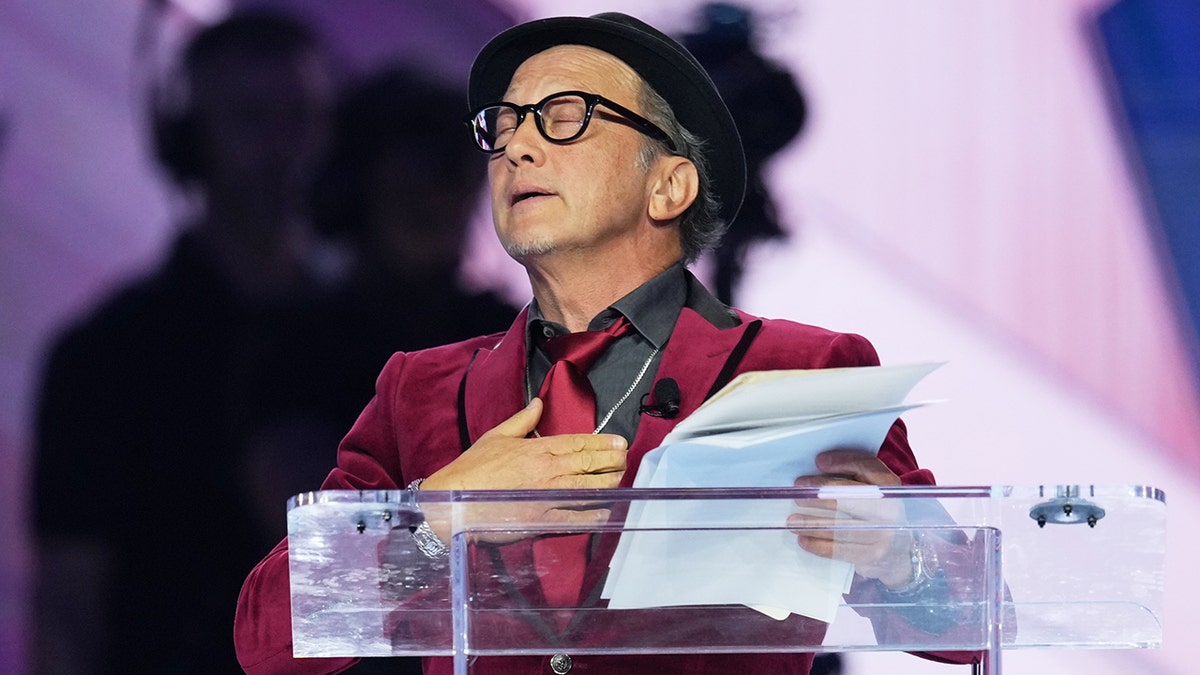
Rob Schneider explains how fear of backlash and public labeling contributes to self-censorship among audiences and comedians. (Ross D. Franklin/AP)
HOWARD STERN balks at claims he has “woke up”, scolds people who consider it not “macho” to care for others.
“Well, comedy isn’t just punchlines. It’s social calculus. In one sentence, a comic can expose what we’re afraid to say, what we secretly believe, and where the cultural trigger threads are,” McGraw said.
Schneider said audiences are drawn to comedy because it gives them permission to engage in these repressed thoughts in a safe environment.
“It’s liberating. I mean, if there’s any other reason people come to see comedy, it’s to feel liberated,” Schneider said.
Schneider described humor as a process rooted in timing and expectations, saying that jokes work when they subvert assumptions without overwhelming the audience.
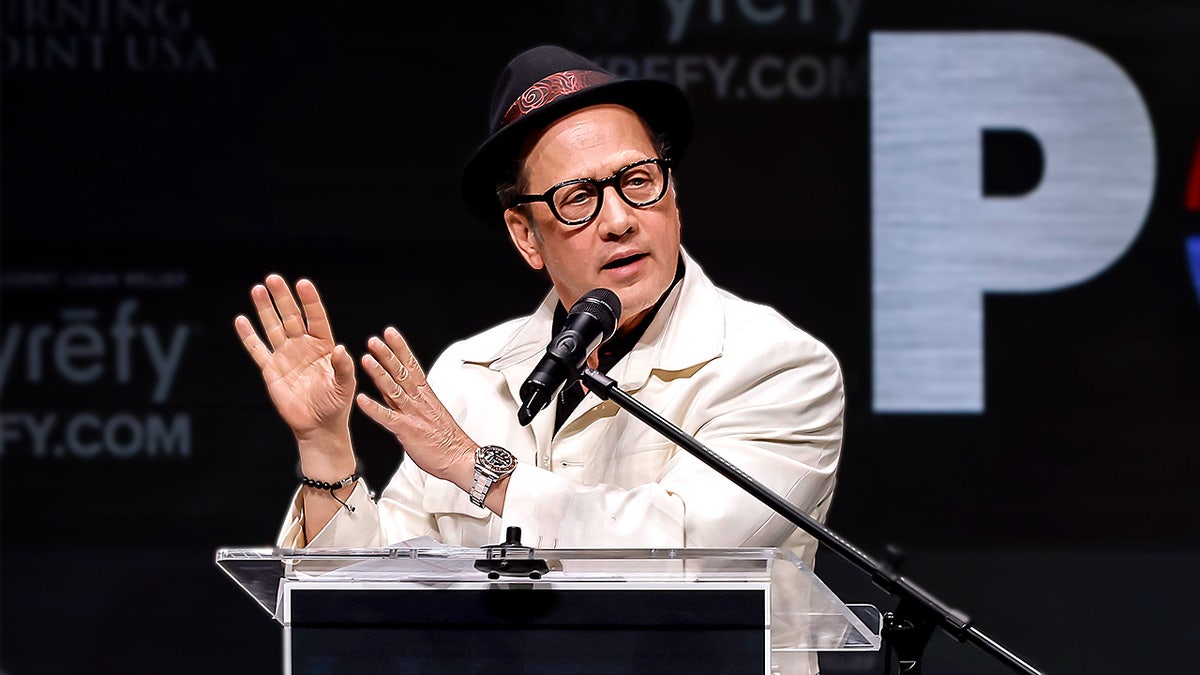
Rob Schneider discusses the importance of open dialogue, warning that stopping the conversation can lead to deeper societal conflicts. (Carlos Avila Gonzalez/San Francisco Chronicle via Getty Images)
’90S COMEDY ICON JAMIE KENNEDY SAYS SOCIAL MEDIA, PODCASTS HAVE BEEN ‘INCREDIBLE’ FOR ‘AUTHENTIC’ COMEDY
“The idea is that it’s kind of like a brain magic trick,” Schneider said. “If they don’t laugh, sometimes it’s too much.”
McGraw said many people withhold opinions despite disagreements in private, fearing professional and social consequences.
“People will admit that they don’t feel free to express what they think. They don’t want to be dismissed. They don’t want to be canceled. They don’t want to face the consequences of expressing what they really feel,” he said.
CLICK HERE FOR MORE MEDIA AND CULTURE COVERAGE
Schneider said this climate contributes to widespread self-censorship, with individuals choosing silence over possible negative reactions.
“Defending what is right and freedom of expression will not come without cost,” said the comedian. “It can cost you friends, can cost you a job, a potential job, can cost you money, and it certainly costs me money.”
CLICK HERE TO DOWNLOAD THE FOX NEWS APP


