A 2nd grader designed an adorable mascot for NASA’s Artemis II mission


The Artemis II astronauts have begun final preparations for their historic journey around the Moon, but they won’t be flying alone. During a recent speech at NASA’s Kennedy Space Center in Cape Canaveral, Florida, mission commander Reid Wiseman revealed the mission’s adorable weightlessness indicator. Designed by a 2nd grader from California, “Rise” is a small plush doll that will let the crew of four know when they have reached weightlessness. Besides being extremely cute, Rise is also a symbolic celebration of NASA’s first crewed mission to leave Earth’s orbit and circle the Moon since the Apollo program.
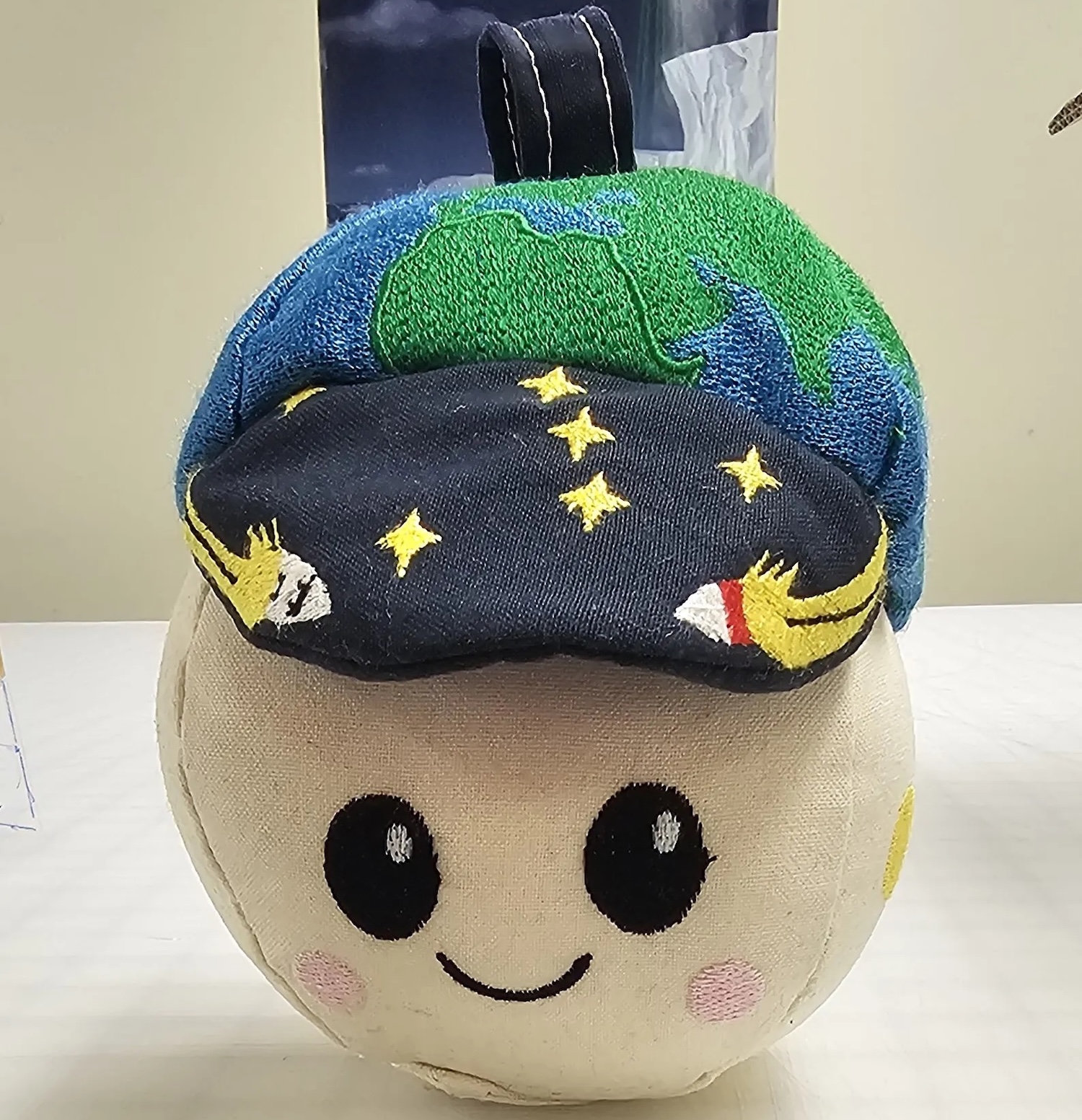
Credit: NASA
A weightlessness indicator is an untethered object, often a stuffed animal or something similar, that highlights astronauts’ journey through space. However, their inclusion during flights was not an original idea of NASA. In 1961, Soviet cosmonaut Yuri Gagarin was the first to carry a small doll with him during the Vostok I journey to present when it reached microgravity. Weightlessness indicators have since become an international staple of space exploration, with past examples including plush toys of R2-D2, Albert Einstein and several dinosaurs. Most recently, Snoopy was the only inhabitant aboard the uncrewed Artemis I mission in 2022.
The Rise doll was one of more than 2,600 submissions from more than 50 countries in NASA’s Moon Mascot competition. In August 2025, the Artemis II crew narrowed the selections down to 25 finalists before settling on the top five contenders:
- “The big steps of the little octopus”, Anzhelika Iudakova, Finland
- “Corey the Explorer”, Daniela Colina, Peru
- “Creation Myth,” Johanna Beck, McPherson, Kansas
- “Lepus the Moon Rabbit”, Trafalgar School in Oakville, Canada
- “Rise,” Lucas Ye, Mountain View, California
Ye’s creation is inspired by the historic Earthrise scene captured during the Apollo 8 mission in 1968. Although Rise is only an official zero gravity indicator for Artemis II, there’s a good chance that his trendy planet-themed baseball cap will start showing up in stores after the mission ends. Artemis II is currently scheduled to launch on Wednesday, April 1 at the earliest.

The best new PopSci 2025 releases


