AMD launched a monster chip. But Intel made the bigger splash


Summary created by Smart Answers AI
In summary:
- AMD launched the Ryzen 9 9950X3D2 with Dual 3D V-Cache targeting creators and high-end gamers, delivering performance that meets expectations.
- Intel made a bigger impact by announcing plans for more unlocked and overclockable processors for budget builders, extending enthusiast features to a wider audience.
- PCWorld reports that AI data centers are significantly affecting the availability and prices of PC components in the market.
I started writing about enthusiast gear completely by accident. Imagine a street cat wandering into a neighbor’s house often enough that one day it never leaves again: that’s pretty much my story. Except in this case, I used to sneak into a sister publication’s offices to look at high-end desktops.
Welcome to The Full Nerd newsletter, your weekly dose of hardware talk from PCWorld enthusiasts. You missed the surprising topics on our YouTube show or the latest news from the Web? You are in the right place.
Would you like this newsletter to arrive directly in your inbox? Register on our site!
HAS MaximumPC (RIP ⚰️), the price didn’t matter. What mattered were the big, fat benchmark results. Pushing the limits from above. Breaking away from previous conceptions of high-end performance. We are at the forefront as the industry continually reshapes itself.
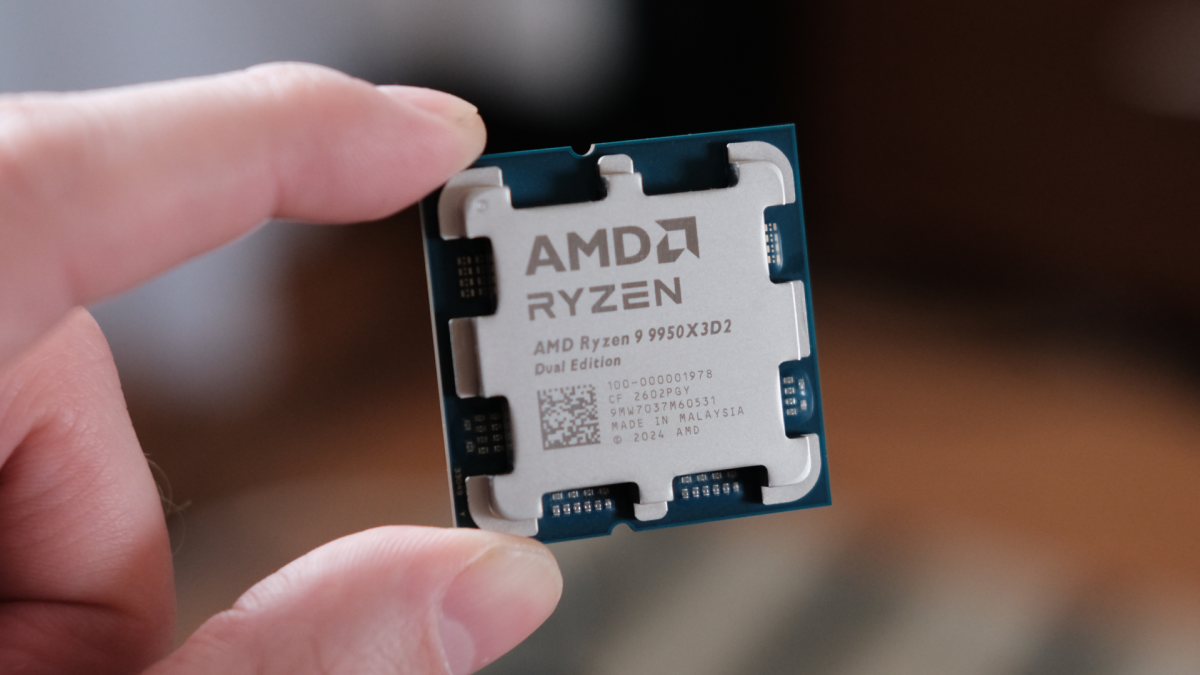
AMD’s launch of the 9950X3D2 on Wednesday would have been the subject of much discussion in this office. I bet this first dual 3D V-Cache chip would have also featured in the annual Dream Machine release, which the team always approached as a snapshot (and interpretation) of current peak performance.
But honestly, as happy as I am to see this chip land on shelves (and meet general expectations), I found myself thinking this week about a different type of processor: those on the lower end. A space that is also home to enthusiasts, according to Robert Hallock, Intel vice president and general manager of the enthusiast channels business (and formerly of AMD).
In an interview with PCGamesHardware (h/t Tom’s Hardware), Hallock revealed an unexpected teaser about the end of Intel’s budget:
“What you will see is more and more SKUs unlocked over time. That’s the goal. This shouldn’t be a feature exclusively reserved for people who pay the most money. Not everyone can afford the largest amount of money […] and that doesn’t make him any less of an enthusiast than the person who can spend $500 on a processor. They’re still PC enthusiasts, and they deserve the same level of features, and that’s what we intend to deliver in our roadmap.»
Foundry
I blinked twice when I read this quote. I know I define “enthusiastic” more broadly than my former work colleagues. MPC did. I’ve never really lost my roots: I love things that push performance, no matter where they fall on the spectrum. (“I was the one who championed the Raspberry Pi for our Hardware Hall of Fame.) Of all the support I could have expected for my project, I didn’t imagine it coming from Intel.
But I’m not going to look a gift ally in the mouth, so to speak. Seeing more freedom (and hopefully more performance) on the stack should fuel some good conversations. Specifically, more adaptive and nuanced conversations, which I think reflect the overall landscape.
Ten years ago, AMD slightly exceeded our expectations for what a mainstream desktop processor could do at the high end. Since then, we’ve seen a greater variety and breadth in what PC hardware and PC building can accommodate. The 9950X3D2 is an obvious descendant of this heritage. But I think Intel’s plan for its roadmap can also be traced back to this inflection point.
Cynics may say that Team Blue’s decision is less about technical innovation and more about a change in design choices. They wouldn’t be wrong. But if our perception of what a budget processor is – and what it can do – changes as a result of this decision, I’m all for it. If it lifts those limits dramatically, I’m all for it.
Isn’t that the point of enthusiasm?
In this episode of The Full Nerd
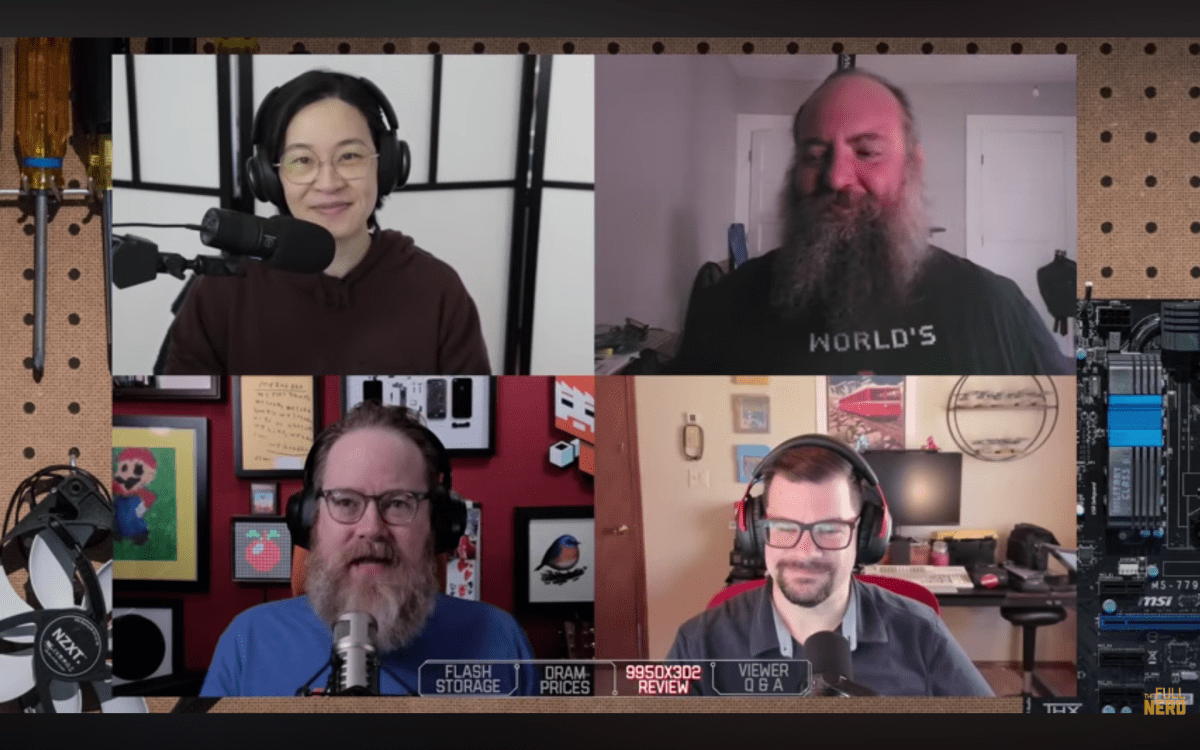
In this episode of The Full Nerd, Alaina Yee, Brad Chacos, Michael Crider, and Will Smith dive into Mike’s investigation into current flash storage and RAM pricing, and discuss real-world performance of the AMD Ryzen 9 9950X3D2. As you might guess, there is no magic solution yet to the deterrent effect of AI data centers on PC building. (But hey, AMD’s first dual 3D V-Cache chip works pretty much as advertised.)
We also cover a multitude of questions during our Q&A segment, including what’s best for your back health. (It doesn’t have to be a $1,000 office chair.)
Will Smith / Foundry
Did you miss our live? Subscribe now to The Full Nerd Network YouTube channel and enable notifications. We also answer viewers’ questions in real time!
Don’t miss our other shows either: you can watch episodes of Dual Boot Diaries, The Full Nerd: Extra Edition and Expedition: Handheld through our channel!
And if you need more gear talk during the rest of the week, join our Discord community: it’s full of cool, laid-back nerds.
This week’s condensed nerd news
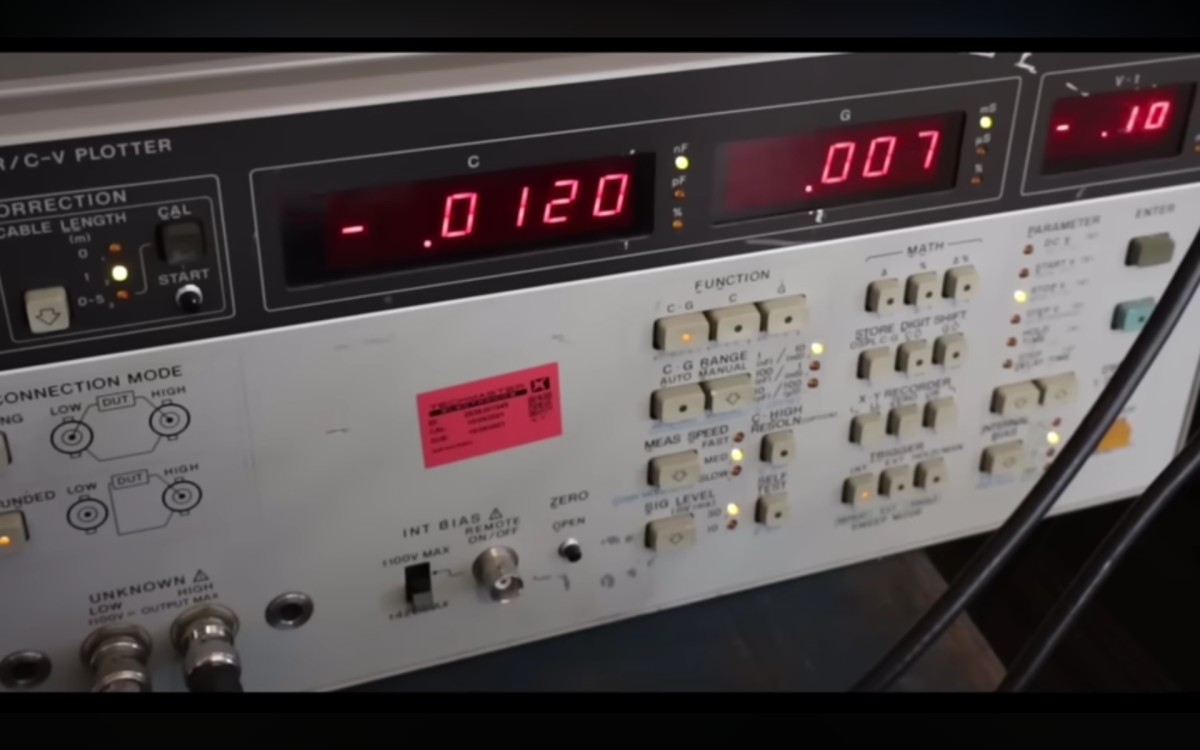
The Ryzen 9 9950X3D2 was of course the big release of the week, which is perhaps why I balanced it out by going further for entertaining reads. Or in the case of a video Will shared with the TFN team, an utterly fascinating watch. Have you ever thought about making your own RAM? Well, Dr. Semiconductor on YouTube thought about it. And then I did it.
Dr Semiconductor / YouTube
- DIY RAM?! I hope we won’t have to go to this extreme in a few years just to get our hands on the memory. (Though I guess that’s a whole new angle for the “We have ___ at home” meme.)
- Opposing directions: why are Microsoft Surface prices higher while Apple is reducing its entry into the MacBook line? My colleague Mark looked into this question and spoke with industry experts to get answers.
- A whole different world: I felt a sense of wonder after reading this 404 Media article about the remains of a destroyed planet – a planet that never lived long, with a geochemical composition described as an “oddity” by researchers studying the fragments that fell to Earth.
- That’s a lot of money: SK Hynix employees could receive up to nearly $500,000 this year (and nearly $1 million next year) from the company’s profit-sharing plan. Puts the whole AI boom in perspective.
- What a find: speaking of crazy amounts of money and RAM…. What was trash in 2024 is now worth $20,000 worth of 32GB DDR4 RAM DIMMs. Really crazy times.
- Interesting: Complex topics like quantum mechanics are much easier when expert interviews are done by a 9-year-old. This podcast, hosted by mother-son duo Kai and Katia Moskvitch, is a delight. They also have a cat named Quark.
- Speaking of stars: I was into space and science this week, it seems, but no regrets. I loved this article that explained what it would be like to surf (yes, surf) on five distant planets.
Speaking of the Raspberry Pi and defending inexpensive but high-performance hardware…. The guys revised the Hardware Hall of Fame rules because of me. I consider this one of my greatest professional achievements.
See you next week!
Alaina
This newsletter is dedicated to the memory of Gordon Mah Ungfounder and host of The Full Nerd, and senior hardware editor at PCWorld.


