Americans aren’t sleeping enough. Here’s what could help : NPR


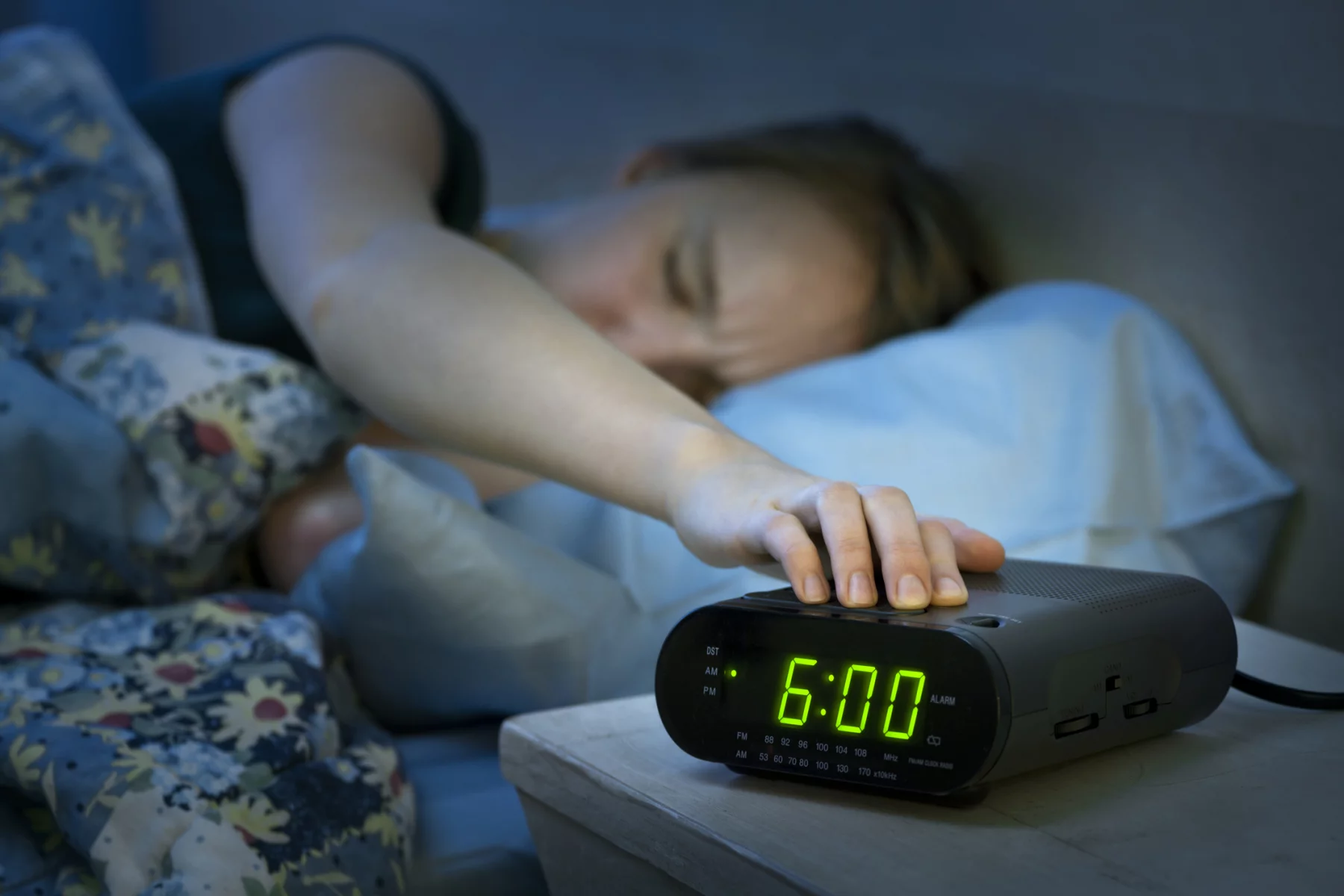
Elenathewise/iStockphoto/Getty Images
Adults should get at least seven hours of sleep each night, according to the American Academy of Sleep Medicine.
“Below that, obviously you’re going to feel lethargic during the day,” says James Rowley, a pulmonologist and director of the Sleep Medicine Fellowship at Rush University Medical Center, as well as past chair of the AASM board of directors.
Rowley also says that lack of sleep is linked to cardiometabolic disorders like diabetes and obesity, as well as cardiovascular problems.
But many people in the United States don’t get enough sleep. A new data summary, released this week by the Centers for Disease Control and Prevention (CDC), finds that 30.5% of U.S. adults surveyed in 2024 receive less than the recommended amount.

The results haven’t changed much since 2020, when CDC researchers found that just under 30% of American women and men slept less than seven hours a night.
Some people work multiple jobs or work multiple shifts that reduce their sleep time. But others only seem dire, said Rowley, who was not involved with the paper.
“Many patients tell me that they go to bed with their cell phone, laptop or tablet,” he says. “Patients tell me they see a YouTube video and before they know it, it’s an hour later.” Some people play games and others watch TV late at night.
For many, this time could be better spent sleeping – an activity in which the brain repairs and restores itself. “A lot of people could go to bed earlier if they wanted to,” Rowley says.
Others may experience insomnia, which could require additional interventions, Rowley says. The survey found that about 15% of people have trouble falling asleep and about 18% have trouble staying asleep.
A separate publication, also released this week, found that about 13% of U.S. adults use sleep aids at night, including prescription drugs, over-the-counter supplements, and marijuana or cannabidiol products.
Rowley encourages those who self-medicate to seek medical attention.
“If you’re taking something every night, you really should talk to your doctor about it,” he says. “There may be a sleep disorder or other things that are interrupting your sleep that we could determine the cause of.”
He considers sleep to be as essential as diet and exercise to leading a healthy life.

If you’re looking for that restful feeling and want better quality sleep, NPR has some science-based tips to try:
If you stay up too late and are horny…
Start a nighttime relaxation ritual that includes a cool, dark environment and activities that calm you, recommends NPR’s Life Kit. Turn off the lights in the house. Dimmer light triggers the release of melatonin, which tells the body it’s time to sleep. Also try to take a shower or bath before bed. Moving from a warm environment to a cooler environment can promote sleep.
If you don’t get enough sleep at night…
Make up for this lack of sleep at other times. “If you need seven hours of sleep a night, then you really need 49 hours a week,” Dr. Chris Winter, a sleep specialist in Charlottesville, Virginia, told NPR. Midday naps and lie-ins on weekends can help make up for temporary sleep deficits.
If you lie awake, with your mind racing…
The gold standard for calming your “sleep anxiety” is a cognitive behavioral therapy for insomnia. For tonight, try some practical tips. For example, schedule a “worry hour” separate from bedtime. Try taking 10 to 15 minutes each day to write down what’s bothering you. This can help your brain relax when your head hits the pillow, reports Life Kit.
Better sleep tonight starts in the morning…
Science shows that good sleep is linked to your daytime habits. Here’s how to adjust them to boost your circadian rhythm: Get a dose of morning sunlight, which serves as your body’s natural wake-up call. Move your body during the day to get physically tired. And yes, ditch the afternoon coffee to promote deep, restorative sleep.
For more knowledge about sleep, sign up for the special Life Kit newsletterGuide to better sleep and get advice delivered straight to your inbox.


