750-year-old grass shoe discovered in a vulture’s nest in Spain


Researchers investigating a vulture nest in a cliff cave in southern Spain have discovered an unusual shoe – a grass shoe from the medieval era. A more in -depth investigation into neighboring perches revealed that generations of vultures had rained their nests with other historical artifacts, including pieces of leather, fabric and strings.
“The good conditions of the caves made it possible to preserve the artifacts for centuries, which suggests that these nests are authentic natural museums”, co-author of the study Antoni MargalidaAn ecologist at the Institute for Research on Game and Wildlife in Spain, told Live Science in an email.
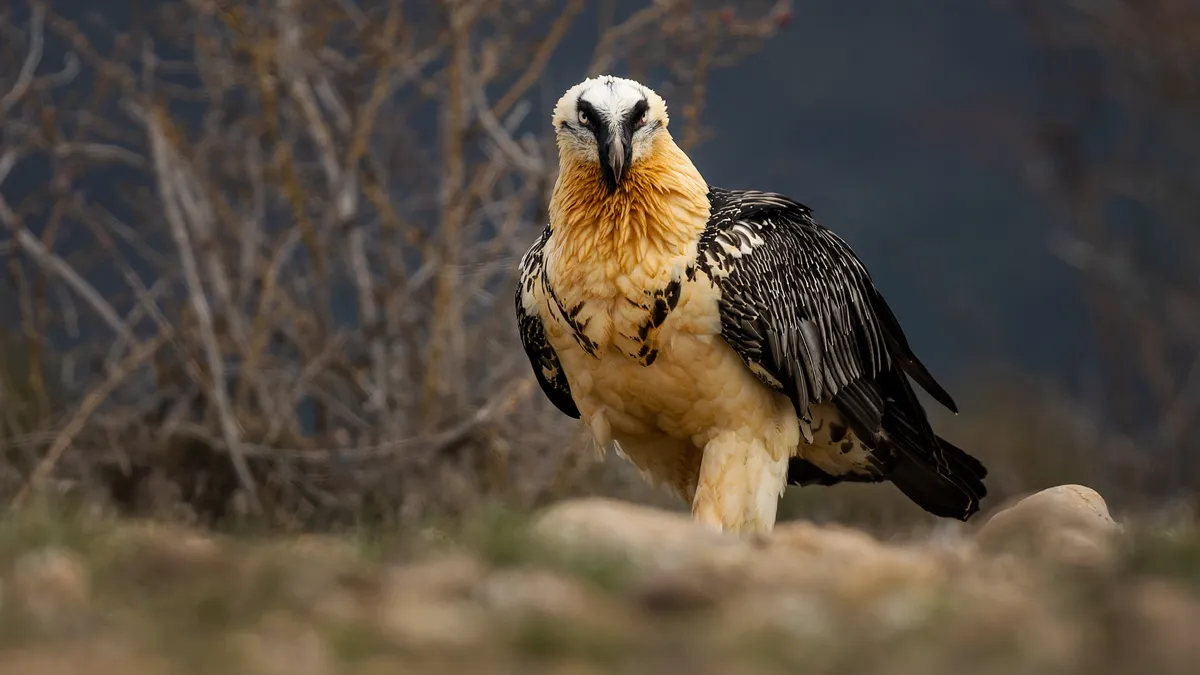
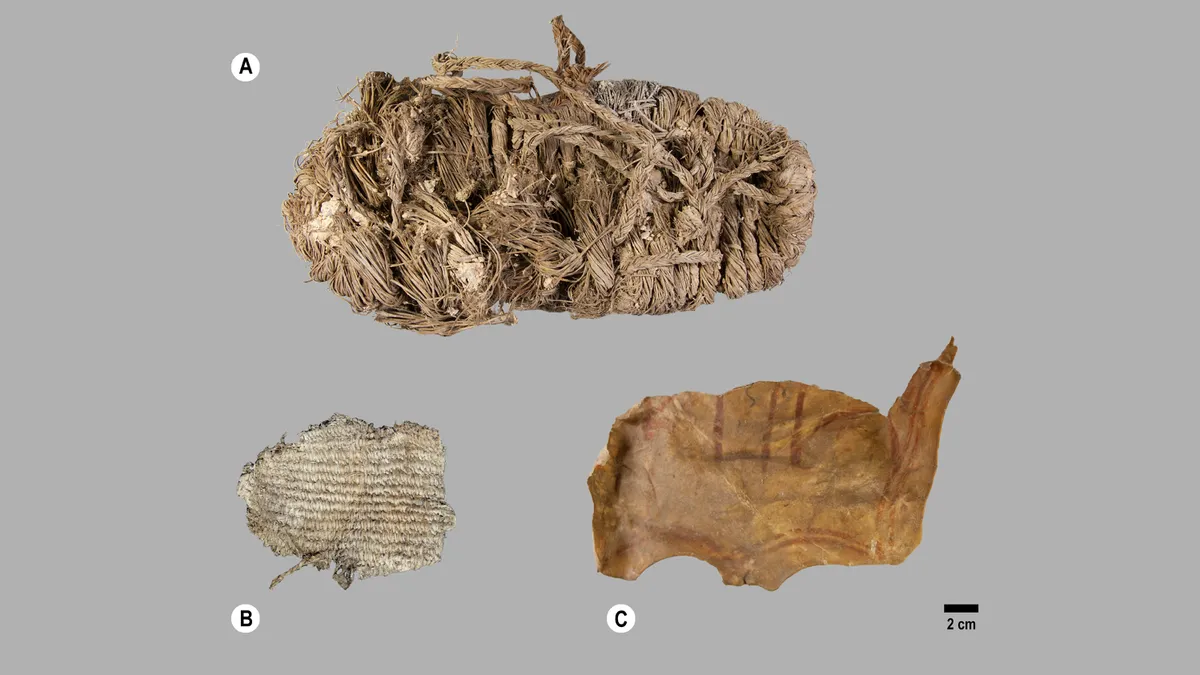
The vast majority of the elements that the researchers found in the dozen vulture nests were bones, as well as several hooves and egg shells from other animals. But about 9% of the remains were made by humans, including a crossbow bolt, 72 pieces of leather, 129 pieces of fabric and 25 ESPARTO grass items (Macrochloa tenacissima), including an intact shoe.
Esparto grass was used for Thousands of years To make shoes, including today’s sneakers, which have a flexible sole made from Esparto rope. The espadrilles were common peasant shoes in medieval Spain. When researchers carbon dated The grass shoe, they discovered that he was almost 750 years old.
“The remains of human origin were probably collected by species during this period,” said Margalida, suggesting that vultures hindered shoes of unrestricted peasants from the 13th century and not that birds were flying archaeological sites.
The same nest that produced the medieval espadrille also contained a fragment of sheep leather painted with red ocher. Although it is not clear what object the leather comes, the researchers dated it in carbon at 726 years, the same age as the shoe.
The nests of bearded vulture of hoarding materials can be a treasure of information for archaeologists, have written researchers in the study, because their locations in Iberian caves and rock shelters with stable temperatures and low humidity constitute a good preservation of organic remains.
Researchers plan to continue their work on these historic nesting sites.
“The next steps will be to identify all the remains – organic and manufactured by man – and date the different layers of the nests by the stratum to determine at what period they belong,” said Margalida.
Bird Quiz: What do you know about our feathered friends?


