Ongoing parasitic outbreak sickens three more; Salmonella outbreak has ended


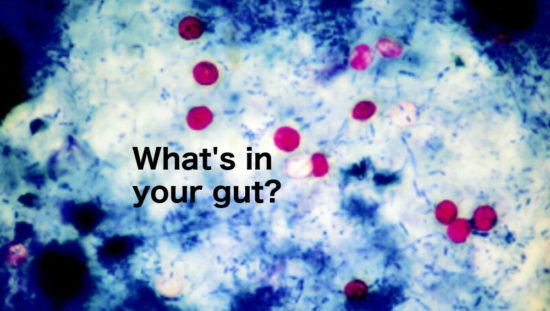
Federal officials continue to investigate an epidemic of infections of the Cyclospora parasite.
The number of patients increased to 61, compared to 58 a week ago. The Food and Drug Administration has not reported the age of the patients or where they live. The agency started samples tests but did not point out which food is tested. The FDA published information on the epidemic for the first time on July 16.
Anyone who has developed symptoms of infection in Cyclospora and reasons to believe that they were exposed to the parasite should consult a doctor. Specific tests are necessary and antibiotics are used to fight against the parasite.
Cyclospora infection can cause severe abdominal pain, aqueous diarrhea, nausea, vomiting, body pain and fatigue. Symptoms can develop between two and 14 days after exposure. Although symptoms can be serious enough to send people to hospital, it is rare that people die from Cyclospora infections.
Cyclospora is a type of protozoa, which is a single cell body. It is transmitted when people in a way ingest microscopic quantities of contaminated excrement, generally by contaminated food or water. It can only spread through human waste, unlike E. coli and salmonella, which can also spread from animal fecal material.
The epidemics of American cyclosporiasis have been linked to various types of fresh products, including basil, coriander, mesclun lettuce, raspberries and snow peas.
Food security experts say that there is no evidence that product washing will eliminate the parasite.
In other news from epidemic, The FDA closed an investigation into an epidemic of infections caused by Salmonella Enrititidis. The agency did not determine the source of the pathogen. The epidemic reported 34 people. The FDA did not report the age of the patients or where they lived. The agency first published information on the epidemic on April 23.
The FDA continues to investigate An epidemic of oranienburg salmonella infections. The FDA has not pointed out where patients or their ages. The agency started in Traceback but did not report the food it traced. The FDA displayed the epidemic on July 16 for the first time.
For an epidemic of Salmonella Anatum Infections, the FDA has determined that the cause is the deep brand of brand brands of brand (MOTH) and the Moongs (Muets) beans. Eleven patients of 10 states were confirmed. The whole genome tests have shown that the frozen germs of the deep brand were contaminated by the same strain of salmonella that infected patients with epidemic.
CHETAK LLC Group has published a recall of the germs of beans involved. Reminder information can be found by clicking here.
(To register for a free subscription to Food Safety News, click here)


