Can toe spacers actually help your feet? It could be worth a try.


Most of the time, the feet are easy to forget. Hidden in socks and shoes, and all along our lower body, you would be forgiven not to think about it at all. But stumble a particular area of the online wellness sphere, and the feet are in the center. Influencers frequently recommend toe spacers (or separators) to solve all kinds of problems, onions and blisters with back pain and poor sporting shape. Can a small piece of silicone really have so many advantages?
The toe spacers are not a safe solution for everyone, but – for many people suffering from foot pain – experts suggest that they can be useful.
The shoes spoiled our feet
Take a walk off barefoot and you may notice that your toes spread and bend while you are walking. But we pass our lives in shoes, and the shoes do not allow the same level of movement. Over time, this restriction (especially with sharp, stiff or narrow shoes) can make the feet get in shape. The toes can start rubbing or overlapping, and the muscles that barefoot walking normally signed up, would weaken. “The shoes were the fall in the strength of the feet,” says Jay Spector, podiatrist and member of the American Academy of Podiatric Sports Medicine Popular science.
In addition to the overall weakening, shoes can trigger other problems. Inappropriate shoes can cause or exacerbate the onions, the protuberances of the joints of large toes. The onions can, in turn, lead to blisters or painful cors where the crushed toes rub or a shoe, thanks to Torres-Hodges, a podiatrist and a foot surgeon tells Popular science. Bad shoes can even cause biomechanical problems such as back pain and unstable approach. And there is a long -standing debate in the design of shoes on what sneakers have best injuries to athletes.
Avoiding entirely shoes is not a practical response, since the necessary protective shoes provide our soles. Shoes are even important for disease prevention. But Spector and Torres-Hodges say that it is worth taking measures to strengthen and stretch our underused feet, especially if you feel a discomfort linked to the foot such as hammer, arc pain, onions, blisters or plantar fasciitis. Both generally recommend mild silicone footpasters (in addition to other interventions, such as exercises, toe socks and more indulgent shoes) to a subset of their patients.
But do the toe spacers really help?
In the view of Torres-Hodges, toe spacers can be useful, but they are not a fix. She says that they are the most useful as a short-term solution for the friction between the toes which causes blisters, corns and unpleasant pressure, or as a means of recycling and realizing the post-function post-finish feet.
Spacers (alongside strengthening the feet and avoiding restrictive shoes in the first place) can Help to prevent onions from aggravating or appearing in the first place, but Torres-Hodges takes care to emphasize that the spaces do not treat problematic onions once they have developed. “They will not correct the deformation,” she says. They can help alleviate symptoms if they are associated with an appropriate exercise diet. Even then, many cases of serious onion may require surgery.
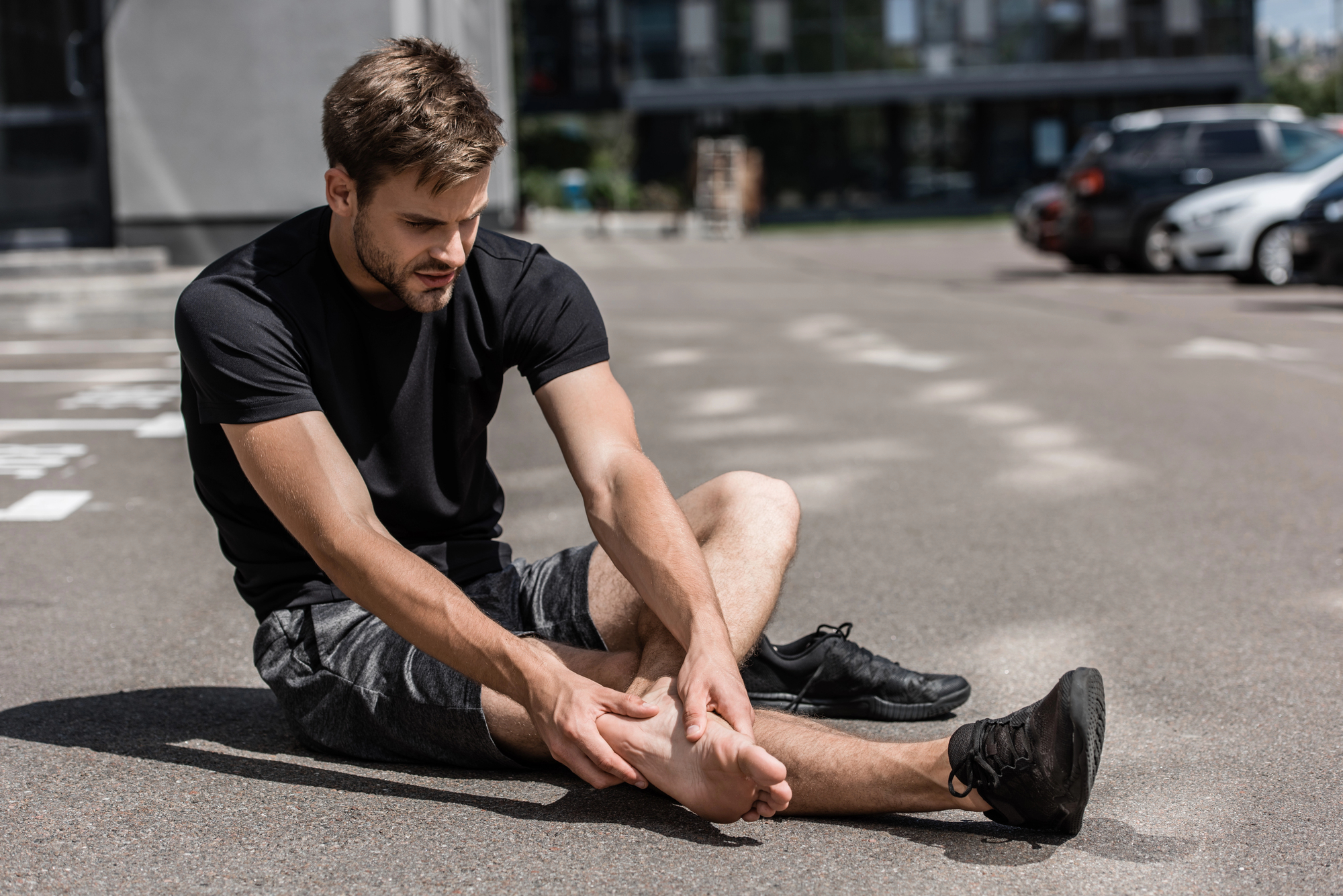
If you have uncomfortable horns or blisters between toes, spacers can offer immediate relief, even if they are not proven to correct the deep cause. The passive stretching of the spacers can also extend the ligaments and engage the muscles of the feet, known as Torres-Hodges. It also notes that some of its patients using spacers describe improvements in their balance and their ability to detect and respond to uneven terrain. It is also open to the idea that spacers could even be able to help with knees, hip or back.
The foot is the foundation of the body in a standing position, and “if your foundation is strong”, then better bodily alignment is likely to follow, she explains. However, Torres-Hodges also notes that there is little research published to support theory.
Indeed, very few studies evaluate the effects of the long -term use of spacers. Those who have found mixed results. A 2024 study of the short -term effects of toes of the toes on balance and the movement of the ankle in healthy people has found no impact. While a preliminary study of people with procedural imbalances revealed that spacers help to correct walking and improving stability and other research on stroke patients found similar advantages. It is possible that the separators of the toes are useful for those who have diagnosed walking difficulties, but less for those who have healthy progress.
For his part, Spector is enthusiastic about the spacers. As a marathonal and racing coach, he frequently considers the strength of the feet from the point of view of an athlete. In terms of high performance, each small account to push someone’s speed to the edge and to minimize the risk of injury. In his opinion, toe spacers can strengthen the feet and correct the alignment of the toes by engaging in a set of foot muscles that most people do not often use.
The wearing of spacers acts the muscles and ligaments which allow the movement of the side toes, allow the propagation of the toes and ideally keep the large toe pointed forward. Walking, running or training with the committed muscles makes them stronger, he says. “If the foot is stronger, you will theoretically work better in any type of racing sport,” he notes. However, once again, there is very little research on how spacers affect the strength of the feet and sports performance. There is not yet enough science to say that if the use of spacers regularly or run with them will improve your shape.
Related health stories
At least one study showed toe spacers can Change the activation of the lower leg muscles – potentially helping to prevent or alleviate injuries. And a handful of studies have indicated that the combination of the spacers with routines for the exercise of the feet can increase the strength and flexibility of the feet. However, it should be noted that the main author of the largest examination study summarizing these results is affiliated with a shoe company that sells spacers.
“The jury is always absent,” says Torres-Hodges, on the question of whether the passive toes stretch or not with spacers alone Really stimulates the strength of the feet. The best results seem to come from the use of spacers alongside intentional foot maneuvers, such as the elevators of the toes and the seizure of objects with your feet.
What is clear is that the strength of the feet is important. Studies regularly indicate that better foot force can reduce injury to everyone and the risk of falling in the elderly.
Stubborn
Apart from those who have particular foot problems such as onions and walking anomalies, there has been relatively few scientific research on the long -term effects of the wearing of toe spacers. Spector and Torres-Hodges warn that people with neuropathy or who otherwise lack sensation in their feet should not Use spacers, due to the risk of friction injury, blisters, ulcers and infection. But there are few reasons to expect that they are harmful to most healthy people.
As for most well-being trends, there are disparate opinions on the impact of a unique intervention. Torres-Hodges says that toes are not necessary for everyone. “In general, the feet are really very resilient by themselves. I am a big believer that you do not repair what is not broken, ”she explains. Although Spector suggests most, if not all, people could benefit from muscle activation separators. He also recommends regular toe exercises, or “toe yoga” as he calls it, and bare feet (on safe surfaces, like a grassy field or a sandy beach – initially for short periods) to strengthen the strength of the feet.
However, unlike so many suggestions by Tiktok influencers, silicone toe spacers are relatively affordable and easily purchased in most pharmacies. They are also washable and reusable. If you suffer from foot pain, a tray in your racing earnings, or even just try to put on a good stretch, toe spacers can be useful, explains Torres-Hodges. If you intend to try them, start slowly – a few minutes at a time – and make sure that if you wear them with shoes, your shoes are wide enough to accommodate propagation without discomfort. You may be able to feel a difference, do not expect them to be a panacea of podiatrics.
This story is part of popular sciences Ask us anything seriesWhere we answer your most bizarre and burning questions, from the ordinary to the wall. Do you have something you always wanted to know? Ask.

More offers, reviews and purchasing guides