CBS News ends over 60-year presence at Pentagon after declining to sign new press requirements


For the first time in more than 60 years, CBS News will close the week without a Pentagon workspace after in decline — along with nearly every major news organization — to sign new press requirements that journalists’ associations say could infringe on their First Amendment rights.
CBS News had radio correspondents in the building since the 1940s and a television booth, or mini-office, in a media area since the 1970s. Over the past two decades, as networks could broadcast live from the building, the “on-air” lights would come on whenever major news broke and reporters would relay the information to the audience live from the Pentagon.
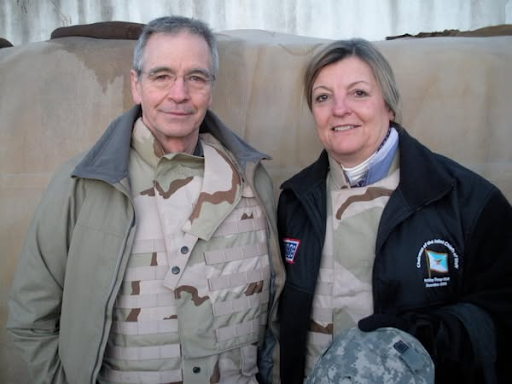
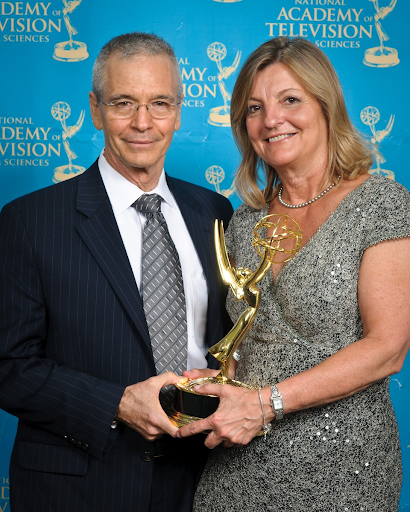
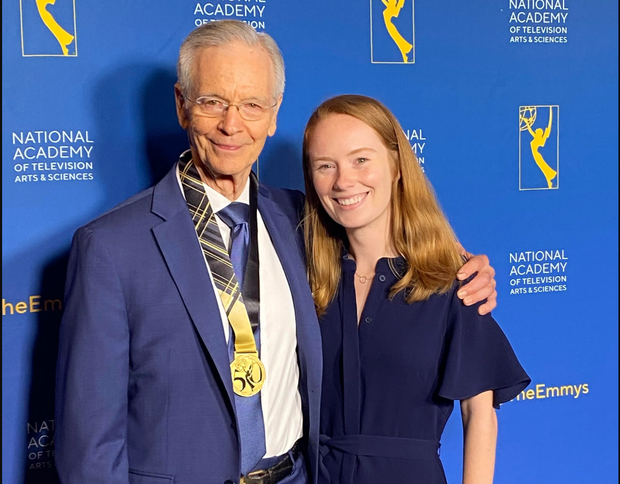
For most of that time, David Martin, CBS News’ chief national security correspondent, was the one breaking the news and reporting every story. The Pentagon gave him his first press badge in 1983, and his longtime producer, Mary Walsh, 10 years later. Since then, the duo has not only covered every military conflict, but also told stories about military personnel and their lives.
“I am proud of the work David Martin and I have done, telling stories of bravery on the battlefield and courage and resilience at Walter Reed,” Walsh wrote in an email before delivering his press letter to the Pentagon this week. “I was inspired and touched by the courage of these men and women, their willingness to sacrifice everything for our country.”
Many of these stories stem from relationships built through CBS News’ constant presence at the Pentagon.
“Walking the halls of the Pentagon has been my modus operandi for 40 years. I don’t know how to cover a story other than by being there,” Martin wrote in an email. “I guess 90 percent of the stories I told were the result of walking the halls and visiting officials in their offices.”
“Not all of the managers were happy to see me, but facing them face to face, day after day, developed a level of trust on both sides. At times, relationships became tense but never acrimonious,” Martin wrote. “Even when [Chairman of the Joint Chiefs] Colin Powell was yelling at me to get out of his way, I knew I could go back and talk to him the next day.”
Martin’s first day on the job as a CBS News Pentagon correspondent was April 18, 1983, the day a previously unknown terrorist group called Hezbollah bombed the U.S. Embassy in Beirut.
“No one knew it at the time, but it was the beginning of the Age of Terror,” Martin said.
“The next 40 years included the invasion of Grenada, Panama, the first Gulf War, the air war against Serbia, 9/11, the invasion of Afghanistan and then Iraq, the bin Laden raid and the withdrawal from Afghanistan – not to mention all the cultural issues, like women in combat. I can’t imagine covering any of these stories without a construction pass,” wrote Martin.
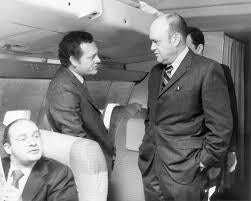
Bob Schieffer, the moderator of “Face the Nation” from 1991 to 2015, spent some of his early years at CBS News on a pass from the Pentagon.
“I came to work for CBS in 1969, and shortly after, they just sent me to the Pentagon because I was a recruit,” Schieffer said in a telephone interview.
Schieffer stayed there for about six years and “loved it.”
“I’ll tell you what I liked: It was like covering a small town in the middle of a big city,” Schieffer said. “You could get information, and you know, a lot of the time that information not only helped you, but also helped the public understand.”
“They’re spending a lot of money at the Pentagon and rightly so, but I think people have a right to know, not just have one PR person put out a press release.”
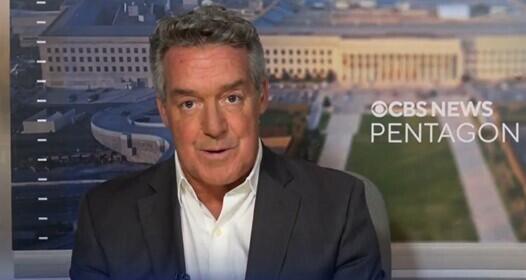
Currently, Charlie D’Agata is CBS News’ senior national security correspondent covering the Pentagon and brings more than two decades of experience covering the conflicts in Ukraine and Gaza, as well as U.S. military involvement in war zones from Iraq to Afghanistan to Syria.
But it’s not just the filmed correspondents who give up their passes.
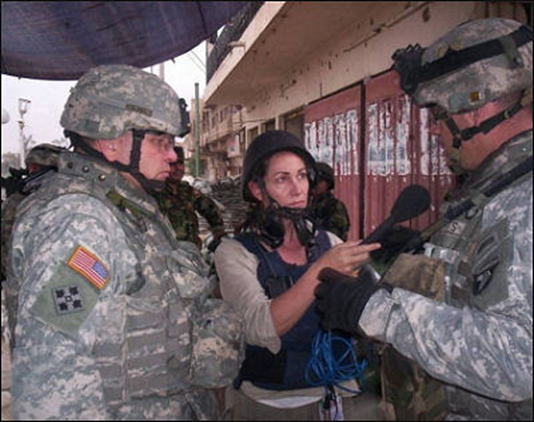
CBS News radio correspondent Cami McCormick has covered national security at CBS for more than two decades. And teams of producers, camera operators, sound technicians and engineers essential to bringing the military’s stories to Americans across the country will also present their passes.
The Pentagon says the intent of its new policy is to stop press leaks and exercise control over stories about the military reported by CBS News and other media outlets. He sent a note to reporters in September mandate they sign an agreement acknowledging that they would need formal authorization to release controlled classified or unclassified information.
The ministry said in the memo that “information must be approved before public release…even if it is not classified.” Last Tuesday, news agencies had until 5 p.m. to report the signed agreement. The vast majority refused to do so, although at least one news outlet, the far-right One America News Network, agreed to the new restrictions.
CBS News reporters at the Pentagon may have surrendered their credentials this week, but losing access to the building won’t stop them from reporting what’s happening in what Defense Secretary Pete Hegseth once promised would be “the most transparent administration ever.”
CBS News stories from the Pentagon over the years:


