Chicago’s North Side Now Buzzing With Snowy Owl Sightings – RedState


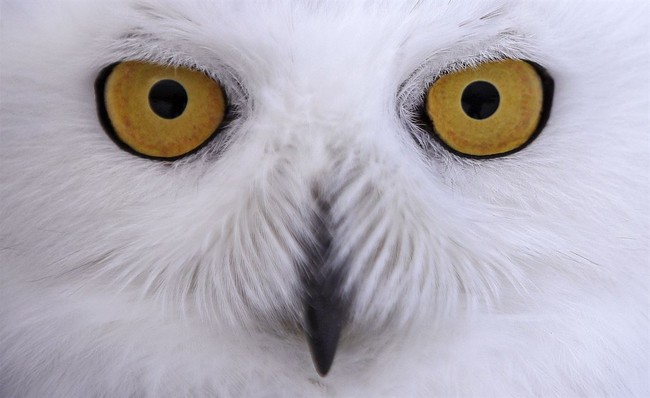
The Snowy Owl (Bubo scandiacus) is one of the Arctic’s most magnificent and iconic residents. We don’t even see them often here in the Susitna Valley, usually only in the depths of winter, when their usual haunts north of the Arctic Circle are plunged into the deepest frosts. Then they drift south, competing with our local Great Gray Owls and Great Eagle Owls for mice and similar small prey. Like all owls, they can fly in near-silence, making their appearance almost ghostly.
Sometimes they even drift further south. I remember a very, very cold night in the Allamakee County playground of my youth, when my father and I were walking home from my brother’s house, and in the dark clear night there was a silent glimpse of white; one of those royal owls, hovering above us.
Today, in Chicago, bird watchers and other curious people head to the shores of Lake Michigan to see a pair of these owls that have taken up temporary residence there.
A pair of snowy owls spotted along a Lake Michigan beach have drawn curious crowds and sparked cheerful speculation about how long the Arctic birds of prey will call Chicago home.
News of the two owls’ existence has been circulating on birding forums in the nation’s third-largest city for about a week, according to the Chicago Ornithological Society. Although snowy owls are not uncommon in Chicago, their frequency varies greatly each winter. Usually a handful is reported around December, but sometimes there are none.
“Their nomadic nature makes them difficult to study or even determine patterns,” Edward Warden, the society’s president, said Sunday. “Where they are going is anyone’s guess.”
This year, two birds were seen on a beach and pier near the Montrose Point Bird Sanctuary in the city’s north. A third was briefly spotted on a beach a few miles south, according to the Chicago Ornithological Society.
This is a rare treat for Illinois birders.
Learn more: Illegal alien attacks rare bird and is expelled
Sky High Surprise: Bald Eagle Throws Cat At Unsuspecting Motorist
These large arctic owls don’t really migrate, in itself. They stay as far north as possible and are admirably well equipped, even for arctic winters, with a thick coat of thick plumage down to their toes. But when temperatures drop to double digits below zero, they sometimes drift south to stay a little ahead of impending cold fronts.
And sometimes they drift south because, for whatever reason, it suits them. This seems to be what is happening here.
The Cornell Labs page dedicated to these birds tells us where to look for them in winter:
In winter, observe Snowy Owls along the shores of lakes and oceans, as well as on agricultural fields and airport grounds. Snowy Owls breed in treeless Arctic tundra.
Females have dark feathers mixed with white, giving them a salt-and-pepper appearance. Males are almost pure white. Both sexes have bright yellow eyes. If you’re in the area and get the chance, this is a birding experience that doesn’t happen very often in the lower 48, and even then, only in the winter; in summer, they are found in their breeding grounds, north of the Arctic Circle.
Owls are fascinating birds. We have several varieties here, from the great horned owl to the tiny little whistling owl. We hear them more often than we see them, but it’s a good thing to have them on our side.
Editor’s Note: Do you love not only RedState’s conservative political reporting, but also our great, thoughtful human interest stories? Support our work so we can continue to bring you all this and more.
Join RedState VIP and use promo code STRUGGLE to benefit from 60% off your VIP subscription!


