2 ‘Lazarus’ animals thought to be extinct for over 7,000 years found alive in New Guinea


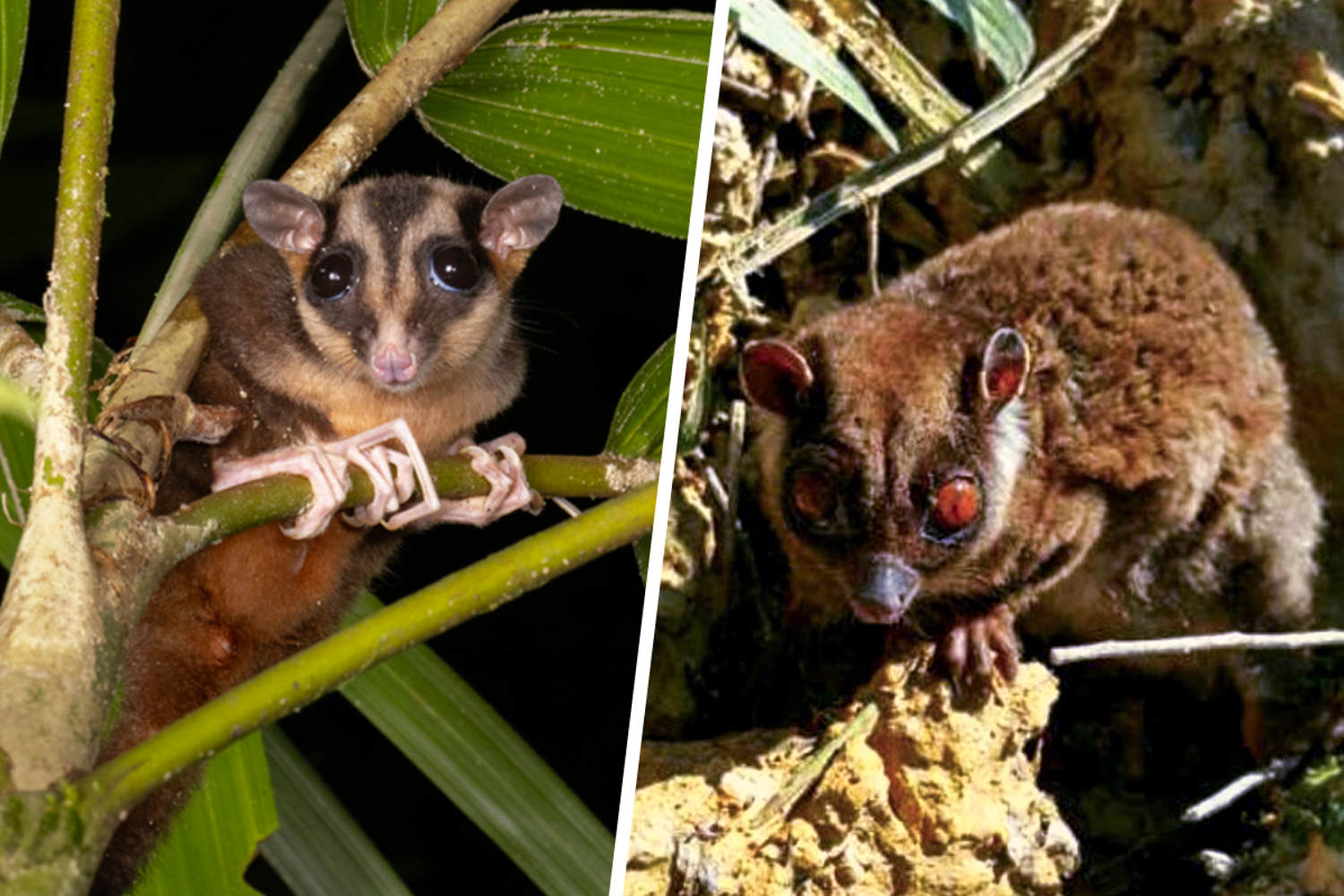
Two species of marsupials long thought extinct, until now known only from fossils, have been found alive in New Guinea thanks to the collaboration of scientists, indigenous communities and citizen scientists.
The discovery of the long-toed pygmy possum and ring-tailed glider marks the first confirmation of living specimens in more than 7,000 years, the Bishop Museum, a natural history museum in Honolulu, announced Tuesday.
“Being able to say that they are indeed alive brings me joy as a scientist and conservationist. It’s like a second chance to learn about and protect these remarkable animals,” said Dr. Kristofer Helgen of the Bishop Museum in a press release.
Helgen and Dr Tim Flannery from the Australian Museum, who both research mammal species in New Guinea, have worked over the past two years to prove the existence of these animals.
Both animals are known as the “Lazarus species,” a term for organisms that reappear after being thought extinct. “The discovery of two species of Lazarus, thought to have been extinct for millennia, is unprecedented,” Flannery said in the press release.
For Helgen, the rediscovery of these species is proof that “extinction can be avoided”.
“It’s a message of hope, that of a second chance,” he said.
These species were first discovered by Dr Ken Aplin as fossils after their teeth were excavated in the 1990s during an archaeological dig in western New Guinea.
Helgen then saw a photo of the ring-tailed possum hovering in the wild and immediately identified it as one of Aplin’s “extinct” species. Indigenous communities in the Tambrauw and Maybrat regions of West Papua assisted the scientists in their identification work with their knowledge of the marsupial’s “unique” lifestyle, the press release said.
Scientists knew the long-toed pygmy possum was alive more recently after discovering two specimens in a jar at the University of Papua New Guinea.
The work of citizen scientists led to news of the survival of the long-toed pygmy possum. Carlos Bocos, a citizen scientist who is now a co-author of the study, posted photos of the animal on iNaturalist, a platform where anyone in the world can post photos of their natural science discoveries.