Democrats find a post-Trump message: Make life more affordable


The Democratic Party can’t agree on much these days – not on the shutdown strategy, not on Gaza, not on “plenty.” But attend any Democratic campaign event this election season, and you’ll hear the same refrain, regardless of where the candidate falls on the ideological spectrum: The cost of living is too expensive, and we’re going to fix it.
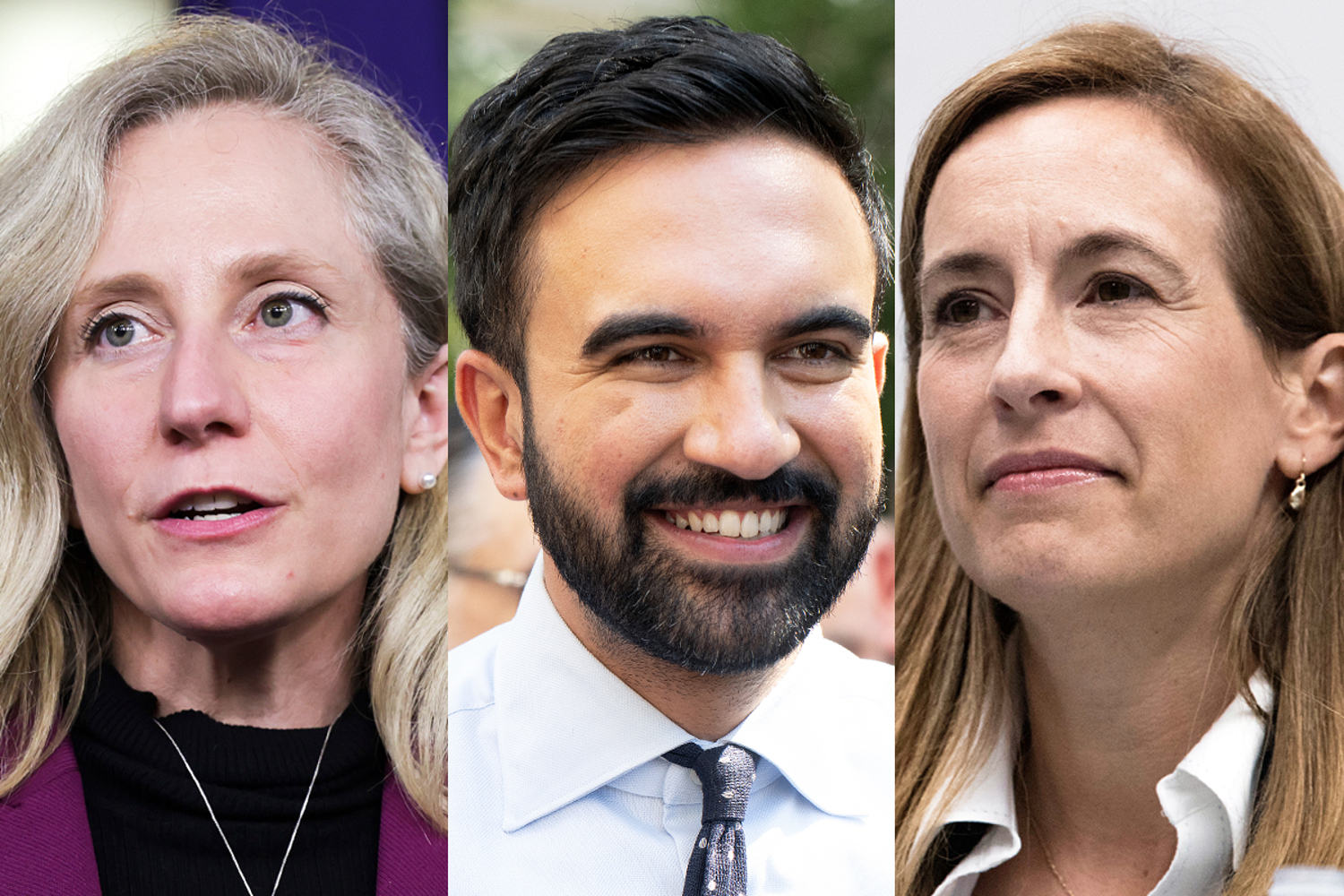
From New York City’s Democratic Socialist mayoral candidate Zohran Mamdani to centrist gubernatorial candidates Mikie Sherrill in New Jersey and Abigail Spanberger in Virginia, the party’s message has crystallized around a single promise: to make life more affordable.
Their success — and whether Democrats will continue to use that message as a rallying cry in the 2026 midterm elections — could be decided Tuesday, when voters go to the polls.
The message is a departure from recent election cycles, when the party relied on opposition to President Donald Trump as the glue to hold its electoral coalition together. And perhaps that’s a sign that they’ve learned something from Trump’s electoral success.
In media interviews, debate appearances and campaign speeches, Mamdani has pledged to fight with Trump on nearly every aspect of his agenda — from his expedited ICE deportations to his threats to deploy the National Guard to the nation’s largest city — except one: cost-cutting.
In fact, affordability is one of the few areas where Mamdani has offered lukewarm praise for the president, including at a stadium-filled Sunday rally attended by fellow progressives Rep. Alexandria Ocasio Cortez, D-N.Y., and Sen. Bernie Sanders, I-Vt.
“Trump, for all his faults, promised [voters] a program that would allow them to put more money in their pockets and reduce the cost of living,” Mamdani said.
Although Mamdani framed his praise by claiming that Trump has since “lied” about delivering on that promise, the statement still marks an acknowledgment of the power of the affordability-focused message that fueled Trump’s victory last year over former Vice President Kamala Harris, when graphs depicting the rising cost of staple foods such as eggs were a mainstay of Trump’s campaign events.
“What is this man named Donald Trump did to do is that he said, “I feel your pain. I know you’re hurting, and I have an explanation,'” Sanders said in an interview with CNN, days after delivering a scathing rebuke to Democrats for “abandoning working-class people.”
It’s not that recent Democratic campaigns haven’t focused on the working class: Despite the perception that Harris has failed to emphasize affordability, she has released proposals to reduce the costs of groceries, child care and health care. If anything, the scope of issues raised by Democrats in their campaigns has narrowed. Bottom line: It’s all about affordability, a strategy that DNC Chairman Ken Martin credited this month for the party’s recent victories and polling advantages.
“Democratic candidates up and down the ballot have effectively focused on affordability while portraying their opponents as too extremist and too closely aligned with Donald Trump,” Martin wrote in a recent memo.
In their platforms, remarks and advertisements, this year’s Democratic candidates have distanced themselves from issues that have dominated previous election cycles — including gender equality and police reform — and instead focus on a message focused on cutting costs.
It’s a message focused less on former President Biden’s call to “restore the soul of the country” or the ambiguities of strengthening “American values” than on the concrete reality of rising costs.
And this change is most evident among candidates who have already run for office.
In 2018, the impetus for Rep. Sherrill’s initial run for Congress was — as noted in that campaign’s first ad — Trump’s attack on “the values” instilled in her by her father, a veteran.
This year, his campaign’s first ad for New Jersey governor had a much more concrete goal.
“I’m running for governor to defend the state we love. To lower the costs of housing, health care and utilities,” she said.
And as if the message wasn’t enough, as Election Day approaches, Sherrill is organizing a “Cutting Costs” bus tour that will land in each of the state’s 21 counties.
“From day one of this campaign, I have been focused on reducing costs, and that remains my North Star as we take that message to all 21 counties this week,” Sherrill said in a statement about the bus tour.
Virginia gubernatorial candidate Spanberger also kept her campaign focused on affordability, centering around more controversial issues, such as Democrats’ polarizing mid-decade redistricting campaign or the revelation of violent text messages from Virginia attorney general candidate Jay Jones.
Among the most detailed policy platforms released by Spanberger are a “Plan for an Affordable Virginia,” which includes proposals to reduce health care, housing and energy costs, and a “Plan for a Growing Virginia” focused on securing more private investment and increasing workforce training opportunities. She often touts these projects in her advertisements.
Unlike last year, when Democrats’ focus on Biden’s age and intraparty conflicts over the Gaza war only highlighted Trump’s laser focus on cost-targeting, Democratic candidates have the ability to exploit the Trump administration’s controversial and converging policies, whether increased immigration and customs expulsions, large-scale use of tariffs or legally questionable National Guard deployments.
Democratic candidates had the opportunity to reclaim an issue that polls show remains the most important to Americans: rising costs. Next week’s elections will offer the first indication of the party’s effectiveness in this regard.


