Trump official suggests tariffs could be reinstated as early as July


NEWYou can now listen to Fox News articles!
Treasury Secretary Scott Bessent suggested Tuesday that the President Donald Trump’The tariffs could be reinstated as early as July, signaling a rapid change by the Trump administration after the Supreme Court struck down Trump’s IEEPA-based tariffs earlier this year, forcing the administration to turn to other trade authorities.
“We had a setback at the Supreme Court in terms of tariff policy,” Bessent said Tuesday at an event hosted by The Wall Street Journal. “But we will implement or conduct Section 301 studies – so that rates can be restored to the previous level by [the] early July.”
His remarks came after the Supreme Court ruled in February that the International Emergency Economic Powers Act, or IEEPA, did not authorize the tariffs.
Trump called the tariffs “life and death” for the U.S. economy — underscoring the outsized importance the administration places on the issue.
Trump’s tariff plan faces uncertain future as court battles intensify
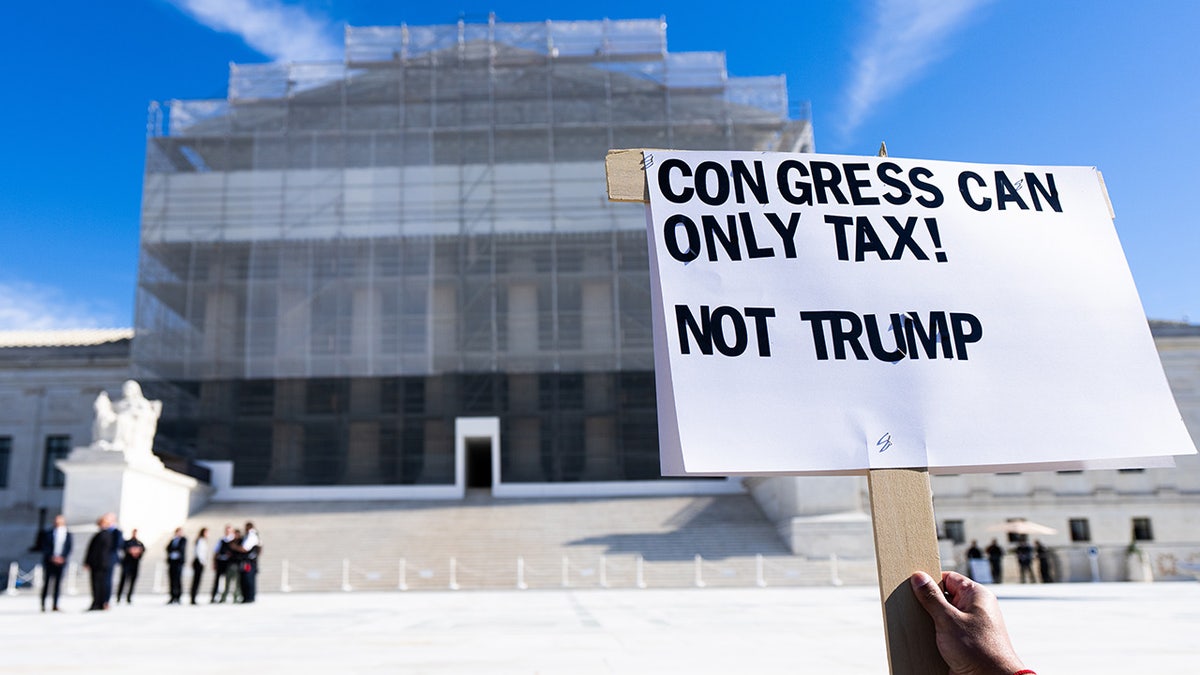
A protester holds a sign as the U.S. Supreme Court hears arguments on President Trump’s tariffs, November 5, 2025. (Bill Clark/CQ-Roll Call, Inc via Getty Images)
Bessent’s comments also come as the United States collected more than $133 billion in IEEPA tariffs as of mid-December, according to data released by the U.S. Customs and Border Protection Agency, a figure that later rose to about $166 billion in early March 2026.
The administration decided to maintain the rates in the weeks following the of the Supreme Court to find new ways to implement import taxes, invoking several provisions of the US Trade Act of 1974 to do so.
Bessent’s remarks, first reported by Bloomberg, are a sign that the Trump administration is considering enacting a combination of trade law laws, aiming to move beyond the high court ruling and find new ways to support U.S. tariff pressure.
The strategy, in the long term, appears to focus largely on Section 301 of the Trade Act of 1974, which allows the president and the office of the U.S. Trade Representative (USTR) to implement “retaliatory import restrictions” against a country that has engaged in unfair or “discriminatory” trade policies or practices against U.S. businesses.
Section 301 allows the U.S. Trade Representative to investigate and respond to “unfair” foreign trade practices flagged by the president, although they require formal notice and public comment, delaying enforcement.
Since the Supreme Court’s decision, the Trump administration has launched a wave of more than 75 Section 301 investigations, according to a report by Alan Wm. Wolff, a senior fellow at the Peterson Institute for International Economics – far exceeding the average annual number of Section 301 investigations opened over the past five decades.
Trump warns Supreme Court showdown over tariffs is ‘life or death’ for America
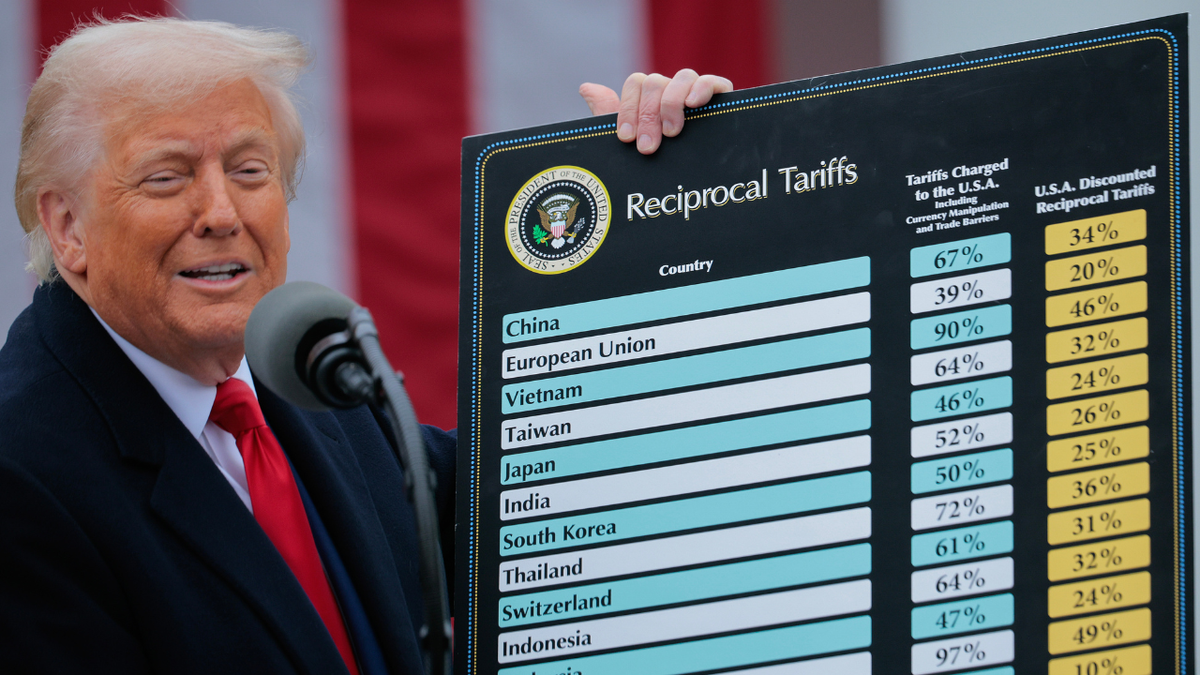
President Donald Trump speaks during a trade announcement in the Rose Garden of the White House, April 2, 2025. (Chip Somodevilla/Getty Images)
That, however, is not the only leverage administration officials have used to try to keep Trump’s tariffs in place.
Trump announced new 10% global tariffs last month — an emergency provision under the trade law that allows a president to unilaterally impose import fees of up to 15% on U.S. trading partners for a period of 150 days, to respond to large and serious “balance of payments deficits,” or situations that risk immediately depreciating the strength of the dollar.
The announcement of Section 122 prompted a lawsuit from 24 attorneys general, who argued the move was an illegal attempt to “circumvent” the Supreme Court’s ruling. It also led to another lengthy hearing before the United States. International Trade Court in Manhattan on Friday, as judges on the three-member panel weighed the legality of Trump’s efforts.
Lawyers for the challenges told the court Friday that upholding the administration’s broader view of the law would effectively turn Section 122 into an all-purpose trade weapon.
US Court of International Trade sides with Trump in tariff case
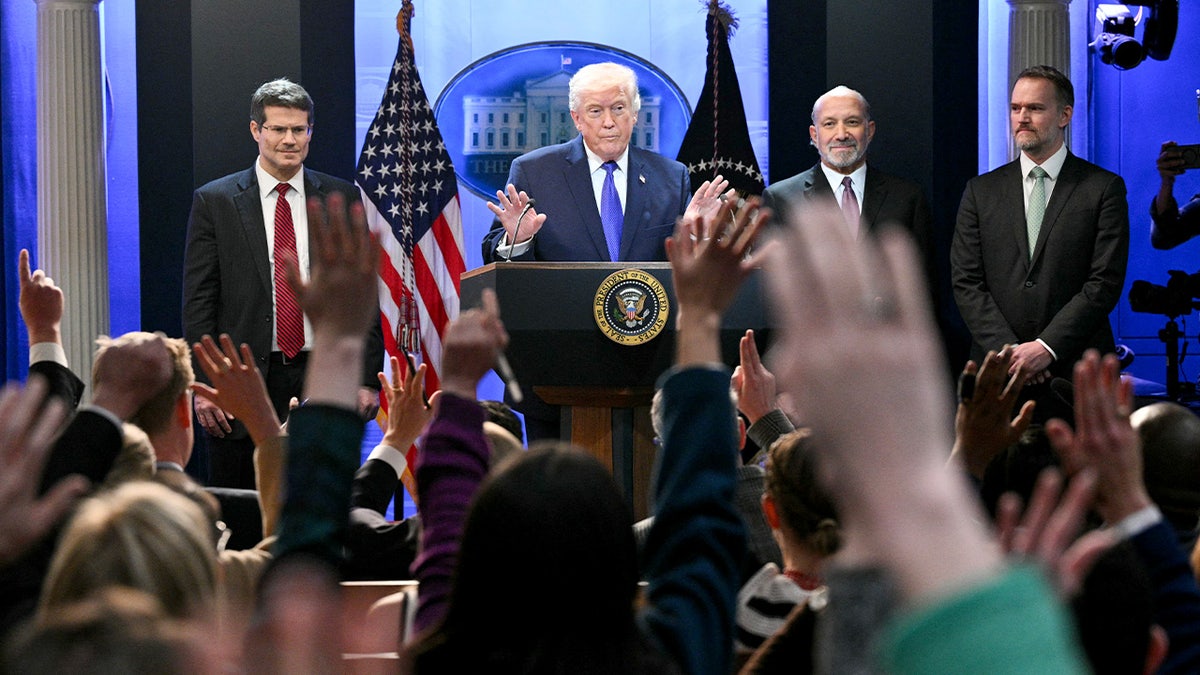
President Donald Trump during a press conference at the White House, February 20, 2026. (Mandel Ngan/Getty Images)
But Justice Department lawyer Brett Shumate argued that Congress had given presidents broad discretion to assess the economic situation.
“The trade deficit was one of the main causes of the balance of payments deficit in 1974, as it is today,” Shumate said.
CLICK HERE TO GET THE FOX NEWS APP
“We are no longer on the gold standard,” he said. “We don’t have a fixed currency, but we can still have balance of payments problems.”


