Everything we know so far, including the leaked design, upgrades, price and more details

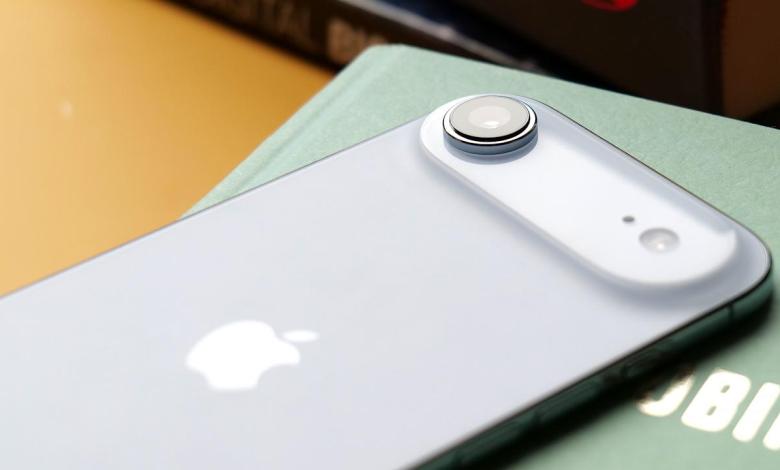
Apple still hasn’t officially announced a foldable iPhone, but the rumor mill hasn’t slowed down. Over the past few months, analysts, supply chain watchers and leakers have continued to sketch out what Apple’s first foldable phone might look like and when it might finally arrive. Most signs still point to a late 2026 debut, although a lot could change between now and then.
As always with unreleased Apple hardware, nothing here is confirmed. Plans can change, features can be reworked, and deadlines can slip. Still, the volume and consistency of recent reports give us a better idea than ever before of how the so-called iPhone Fold might take shape.
Below, we’ve rounded up the most credible rumors so far, and we’ll keep this guide updated as new details emerge.
When could iPhone Fold launch?
Rumors of a foldable iPhone date back to 2017, but more recent reports suggest Apple has finally locked in on a realistic window. Most sources now point to fall 2026, likely alongside the iPhone 18 lineup.
Mark Gurman went back and forth on the timeline, initially suggesting that Apple could launch “as early as 2026”, before later writing that the device would ship in late 2026 and be sold primarily in 2027. Analyst Ming-Chi Kuo has also repeatedly cited the second half of 2026 as Apple’s target.
Some reports still claim that the project could extend until 2027 if Apple encounters manufacturing or durability problems, particularly with the hinge or the screen. Given Apple’s habit of delaying products it believes aren’t ready, this remains a real possibility.
What will the iPhone Fold look like?
Current consensus suggests that Apple has opted for a book-style foldable design, similar to Samsung’s Galaxy Z Fold series, rather than a flip phone.
When unfolded, the iPhone Fold should look like a small tablet like the iPad mini (8.3 inches). However, according to rumors, the iPhone Fold could be a bit smaller, with an internal display measuring around 7.7-7.8 inches. When closed, it should function like a classic smartphone, with an exterior screen of around 5.5 inches.
Leaked CADs and alleged molds from the case maker suggest the device could be shorter and wider than a standard iPhone when folded, creating a squarer footprint that better matches the aspect ratio of the interior screen. Several reports have also highlighted the iPhone Air as a potential preview of Apple’s foldable design work, with its unusually thin chassis widely interpreted as a glimpse of what one half of a future foldable iPhone could look like.
If this theory is valid, it could help explain the Fold’s supposed dimensions. Thickness is expected to be between about 4.5 and 5.6mm when unfolded, putting it in a similar range to the iPhone Air, and just over 9 to 11mm when folded, depending on the final hinge design and internal overlay.

iPhone 17 Pro, iPhone Air (Engadget)
Display and the question of the fold
The screen is arguably the biggest challenge for any foldable phone, and it’s an area that Apple seems to have invested years of development into.
Several reports indicate that Apple will rely on Samsung Display as its main supplier. At CES 2026, Samsung showed off a new foldable, wrinkle-free OLED panel, which several sources, including Bloomberg, have suggested could be the same technology Apple plans to use.
According to these reports, the panel combines a flexible OLED with a laser-drilled metal backing plate that disperses stress when bending. The goal is a screen with a nearly invisible crease, something Apple would consider essential before entering the foldable market.
If Apple uses this panel, it would mark a notable improvement over current foldables, which still have visible creases in certain lighting conditions.
Cameras and biometrics
Camera rumors suggest that Apple is considering a quad-camera setup. This may include:
-
Dual rear cameras (main and ultra-wide, both rumored to be 48MP)
-
A punch-hole camera on the exterior screen
-
An under-screen camera on the inner screen
Multiple sources claim that Apple will completely avoid Face ID on the iPhone Fold. Instead, it should rely on Touch ID built into the power button, similar to recent iPad models. This would allow Apple to keep both displays free of Dynamic Island notches or cutouts.
Under-display camera technology has historically produced lower image quality, but a 24 MP sensor is rumored to be a significant step up from existing foldables, which typically use much lower resolution sensors.
iPhone Fold hinge and materials
The hinge is another area where Apple can deviate from its competitors. Multiple reports claim that Apple will use Liquidmetal, which is a long-standing trade name for a metallic glass alloy that the company previously used in smaller components. Although often referred to as “liquid metal” or “liquid metal” in reports, Liquidmetal is the brand that Apple has historically associated with the material.
The liquid metal would be stronger and more resistant to deformation than titanium, while remaining relatively light. If accurate, it could help improve long-term durability and reduce wear and tear on the foldable display.
Jon Prosser’s leaks also reference a metal plate under the display that works in tandem with the hinge to minimize creasing – a claim that matches reports from Korean and Chinese supply chain sources.
Battery and other components
Battery life is another potential differentiator. According to Ming-Chi Kuo and several Asian supply chain reports, Apple is testing high-density battery cells in the 5,000-5,800 mAh range.
This would make it the largest battery ever used in an iPhone and competitive with (or larger than) the batteries in current Android foldables. The device is also expected to use a future A-series chip and Apple’s internal modem.
Price
None of this will come cheap, that’s for sure. Almost all reports agree that the iPhone Fold will be Apple’s most expensive iPhone.
Estimates currently place the price between $2,000 and $2,500 in the United States. Bloomberg said the price would be “at least $2,000,” while other analysts narrowed the likely range to around $2,100 and $2,300. This positions the iPhone Fold well above the iPhone Pro Max and closer to Apple’s high-end Macs and iPads.
Despite years of rumors, much remains unclear. Apple has not confirmed the “iPhone Fold” name, final dimensions, software features, or how iOS would fit into a foldable form factor. Durability, repairability and long-term reliability are also open questions. For now, the safest assumption is that Apple is taking its time and many of these details could still change before launch.


