FAA tests $12B AI system to predict flight delays weeks in advance


NEWYou can now listen to Fox News articles!
If you feel like flying has become more unpredictable lately, you’re not imagining it. The delays are piling up. Schedules seem tight. A single storm can spread across the country.
The federal government now wants to anticipate these problems linked to artificial intelligence.
The Federal Aviation Administration is testing a new system designed to predict traffic jams weeks before they happen. The idea is simple. Fix the schedule early so that fewer problems appear later.
But how it works and who builds it raises real questions.
Sign up for my FREE CyberGuy Report
- Get my best tech tips, urgent security alerts and exclusive offers straight to your inbox.
- To learn simple, actionable ways to quickly detect scams and stay protected, visit CyberGuy.com – trusted by the millions of people who watch CyberGuy on television every day.
- Plus you will have instant access to my Ultimate Scam Survival Guide free when you sign up.
SEAN DUFFY PROPOSES BIG PLANS TO IMPROVE AIR TRAFFIC CONTROL SYSTEMS AND USE AI TO FIND ‘HOT SPOTS’
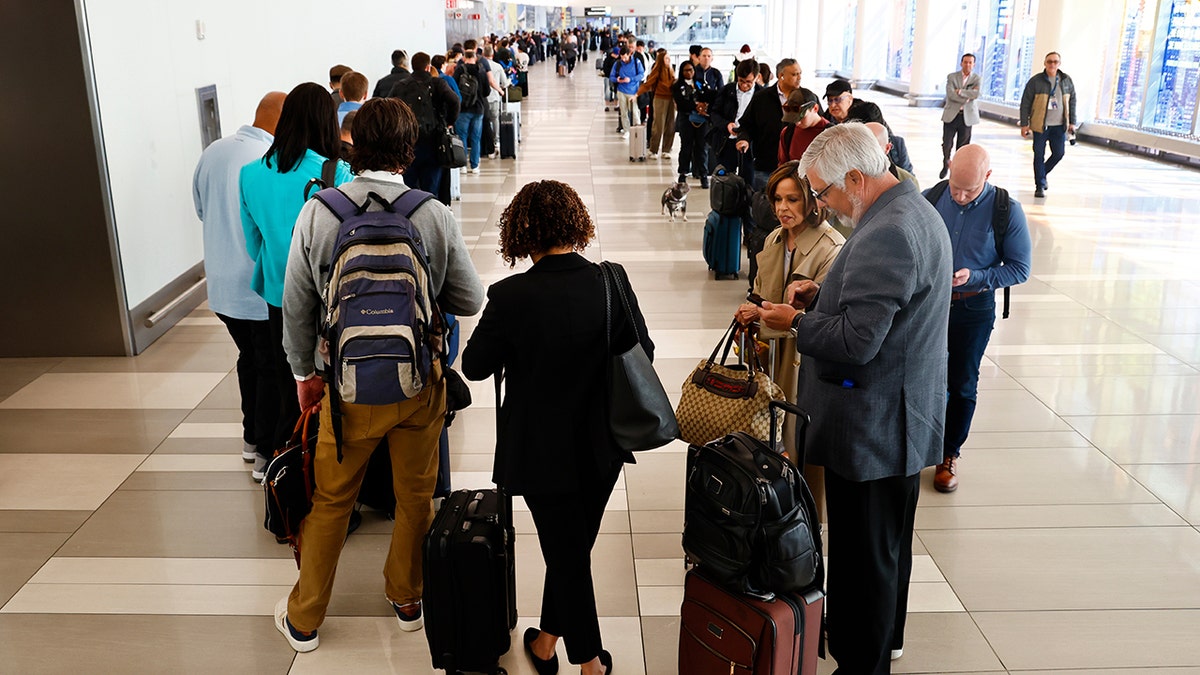
Passengers stand in the TSA pre-check line at LaGuardia Airport in New York on March 26, 2026. (Noah K. Murray/AP)
What is the SMART system?
The project is called Strategic Management of Airspace Routing Trajectories, or SMART. According to Sean Duffy, U.S. Transportation Secretary, the software analyzes flight patterns well in advance. It may suggest small schedule changes, such as moving a flight five or ten minutes earlier. These small changes may seem small. Yet on thousands of flights, they could ease bottlenecks in busy airspace.
SEAN DUFFY: US AIR TRAFFIC SYSTEMS NEED URGENT UPGRADE
Duffy said the system could help planners spot problems weeks in advance, smoothing out schedules before delays start to pile up.
This effort comes with a significant price. Officials estimate the AI system could cost about $12 billion, part of a broader effort to modernize the nation’s air traffic control infrastructure, which has received tens of billions in federal funding.
Who builds this AI?
The government is working with private companies that bring experience in data and aviation. Three major players are involved:
- Palantir Technologies
- Thales SA
- Aerial space intelligence
Everyone is competing to shape how SMART works. Palantir Technologies has previously confirmed that it is working with the Federal Aviation Administration to provide analytics tools to improve aviation safety and efficiency.
MAJOR AIRLINE EXPANDS PASSENGER TEST THAT HOLDS FLIGHTS TO HELP AVOID MISSED CONNECTIONS
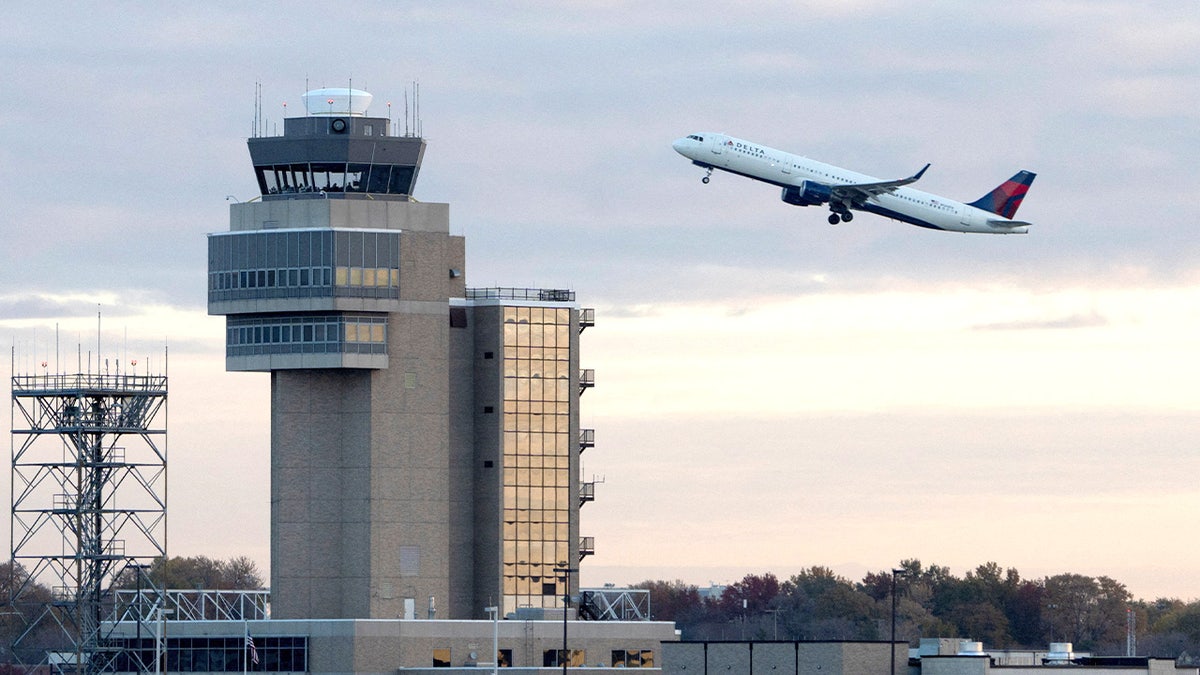
A Delta Air Lines plane takes off with the air traffic control tower visible at Minneapolis-Saint Paul International Airport, November 7, 2025. (Tim Evans/Reuters)
Why officials say it could reduce delays
Air transport takes place within tight deadlines. When one flight is late, it can disrupt dozens of others. SMART proponents believe that AI can detect patterns that humans might miss.
For example, it could identify that a specific route tends to get clogged at certain times of the year. Then it could adjust times before tickets are even sold. This kind of foresight could mean fewer last-minute delays and smoother travel days. At least, that’s the promise.
Concerns about integrating AI into the system
There is a trap. AI doesn’t always behave the way people expect. These systems can produce errors. In some cases, they generate erroneous results, a problem researchers call hallucinations, which becomes especially dangerous when the stakes involve real planes and schedules.
The FAA’s track record on modernization also gives some experts pause. Its last major overhaul, a program called NextGen, cost about $36 billion over about two decades and delivered only about 16 percent of the expected benefits, according to reports from the federal watchdog. SMART is now entering this same high-stakes environment, with billions of dollars in funding and pressure to produce measurable results.
Duffy emphasized that the system would support human controllers rather than replacing them. However, AI-based planning could still influence decisions affecting thousands of flights at once, and if the system got it wrong, the consequences could extend far beyond a single gate.
AI ROBOT NOW HELPING TRAVELERS AT SAN JOSÉ AIRPORT
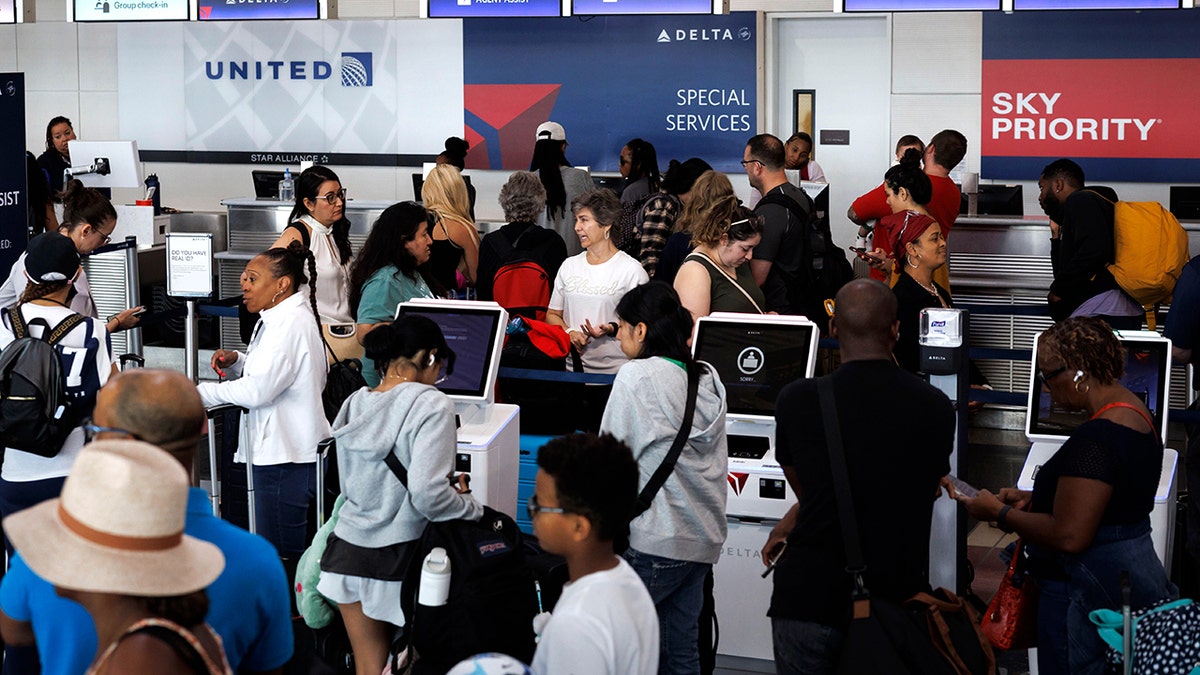
Travelers line up at the Delta Airlines counter at Ronald Reagan National Airport in Arlington, Virginia, July 19, 2024, amid a global computer outage that disrupted airline services around the world. (Ting Shen/Bloomberg)
What does this mean for you
If this system is deployed, you may notice changes without understanding why. Flights may change slightly before you book them. Departure times may seem more spread out. Some routes may seem more predictable. This could mean fewer delays at the gate.
At the same time, you rely on an AI-based system to help you make decisions behind the scenes. If it works well, travel becomes smoother. If something is missing, the ripple effects could still reach your journey.
Take my quiz: How safe is your online security?
Do you think your devices and data are truly protected? Take this quick quiz to see where your digital habits stand. From passwords to Wi-Fi settings, you’ll get personalized analysis of what you’re doing right and what needs improvement. Take my quiz here: Cyberguy.com
CLICK HERE TO DOWNLOAD THE FOX NEWS APP
Kurt’s Key Takeaways
Air travel has always been a balancing act. Weather, staffing and demand collide in real time. Adding AI to this mix could bring a new layer of foresight. It could also introduce a new layer of risk. Technology is evolving rapidly. The stakes here are high. So the real test will be whether it can do this consistently in a system where small errors can happen quickly.
Would you feel more confident flying if AI helped you plan your trip, or would you prefer to leave humans entirely in charge of the system? Let us know by writing to us at Cyberguy.com
Sign up for my FREE CyberGuy Report
- Get my best tech tips, urgent security alerts and exclusive offers straight to your inbox.
- To learn simple, actionable ways to quickly detect scams and stay protected, visit CyberGuy.com – trusted by the millions of people who watch CyberGuy on television every day.
- Plus you will have instant access to my Ultimate Scam Survival Guide free when you sign up.
Copyright 2026 CyberGuy.com. All rights reserved.


