Federal rule could shutter 92% of cosmetology and barber programs


NEWYou can now listen to Fox News articles!
In 1980, I was a Navy veteran, sleeping in a 20-year-old car and scraping together $700 to start a hair care business with a stylist named Paul Mitchell. We believed the American dream was still open for business. Forty-six years later, that same dream is one that a federal rule is about to end the next generation.
The Department of Education has proposed a measure of wage premium under the gainful employment rule that will judge career programs by a rigid number: whether professional graduates, four years after graduation, earn more than the typical full-time worker aged 25 to 34 in the same state without a college degree. Programs that fail the test two out of three years lose access to federal student aid. According to the ministry’s own data, more than 92% of beauty and hairdressing programs nationwide fail.
This is not a minor regulatory change. It’s a death sentence for thousands of cosmetology, hair, esthetician and nail schools across America. Without Title IV help, most students—many of whom are single mothers, veterans, first-generation Americans, and working-class children—simply cannot afford the training and education required to obtain state licensure. Schools will close. The pipeline of new licensed professionals will collapse. And just when we’re being told that skilled trades and human-centered careers are the future in an AI-driven economy, we’re threatening to defund an industry built on human connections, creativity, and practical expertise.
The beauty industry is a $100 billion economic engine that employs 1.3 million Americans. It’s one of the few industries where a person can earn a marketable credential in less than a year, walk into a store or salon, and start a business. Our professionals are predominantly women who rely on flexible, part-time schedules to raise their families while generating an income. Many make the majority of their money through tips and building a following – income that increases significantly after the first few years but is invisible in the Ministry’s early career snapshot.
AI REVOLUTION THREATS OFFICE JOBS, BUT REVIVAL DEMAND FOR SKILLED TRADES
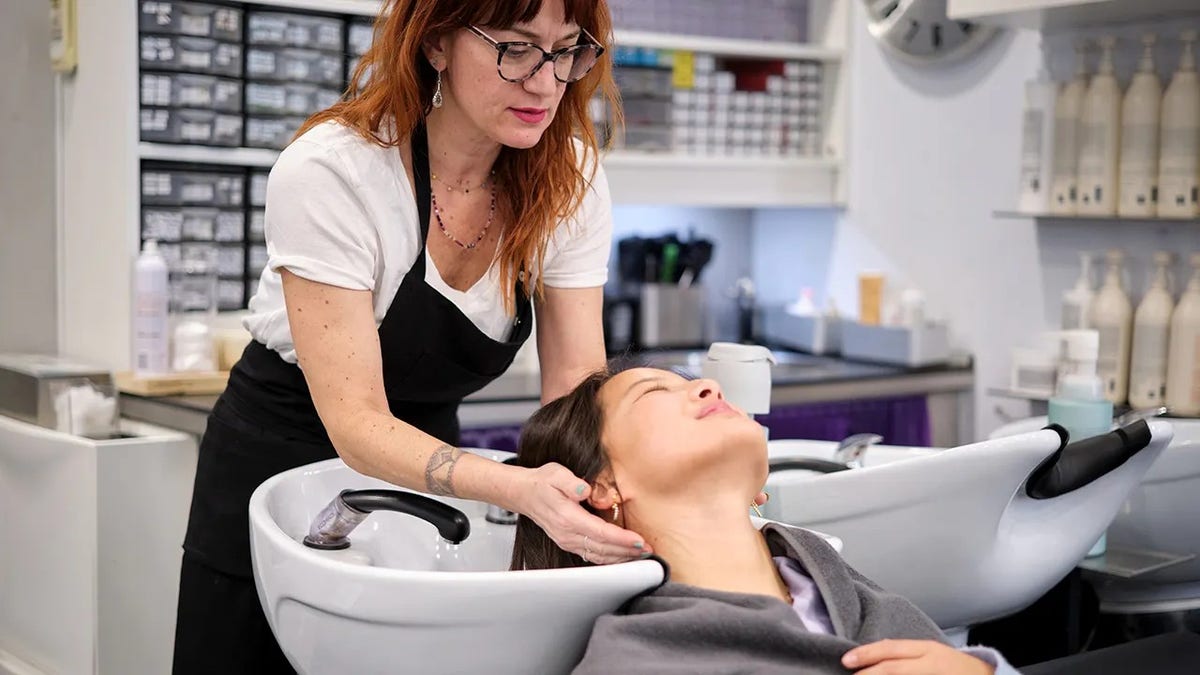
The new regulations put salons and barbers at risk of being excluded from Title IV student aid. (iStock)
By ignoring these realities – part-time work, tipping, self-employment, and a female-dominated nature – the rule systematically underestimates the true value of beauty education. It compares new license holders to full-time workers with only a high school diploma, many of whom have already been in the workforce for a decade. The result is a false narrative that beauty programs are unresponsive, when in reality, they provide exactly what millions of Americans need: flexible, entrepreneurial, in-person careers that can’t be automated.
The economic consequences will be rapid and widespread. School closures mean fewer licensed professionals are entering the workforce at a time when demand is increasing. Salons, spas and hair salons will face chronic staff shortages. Rural communities and small towns – already struggling with service gaps – will see “beauty deserts” where basic care and wellness services disappear. Consumers will lose access to safe, approved care. Small business owners who rely on barbers and stylists will see their revenues drop. The ripple effects will affect product manufacturers, distributors, real estate and local tax bases.
It’s not just about beauty and hairdressing schools. It is about depriving of opportunities the very people that the American economy claims to defend. The single mother who sees beauty as her path to independence. The veteran looking for a stable second career. The young entrepreneur who dreams of owning her own salon. They are the ones who built this $100 billion industry – and the ones who will lose the most if it is deprived of new talent and equitable access to education.
THE “ONE BIG, BEAUTIFUL BILL” URGENTLY NEEDS AN OVERHAUL TO OPEN TRUMP’S GOLDEN AGE
Congress understood this when it passed the One Big Beautiful Bill Act. The law deliberately limits this compensation framework to undergraduate students. degree graduate programs and certificates. Undergraduate certificate programs like cosmetology and hairdressing were intentionally left out. The department should respect the law, not rewrite it.
CLICK HERE FOR MORE FOX NEWS REVIEWS
Secretary Linda McMahon has the power – and the lived experience – to solve this problem. She knows what it means to build a business from the ground up. It should direct the Department to exclude non-degree undergraduate programs and certificate programs in approved trades from the wage premium test, consistent with statutory intent. This change alone would protect opportunity, preserve labor reserves and safeguard a vital sector of our economy.
The comment period ends on May 20. Now is the time for all of us who love this industry – school owners, professionals, salon owners, manufacturers and the millions of Americans we serve – to speak up and protect it for the next generation.
CLICK HERE TO DOWNLOAD THE FOX NEWS APP
Aesthetics and barbering are not fallback professions. These are pathways to independence, entrepreneurship, creativity and human connection. They change their lives every day behind their chair.
We built this industry with our hands. We will fight for its future.


