Final ‘planet parade’ of 2025 rises Sunday: How to see the full 6-planet show.


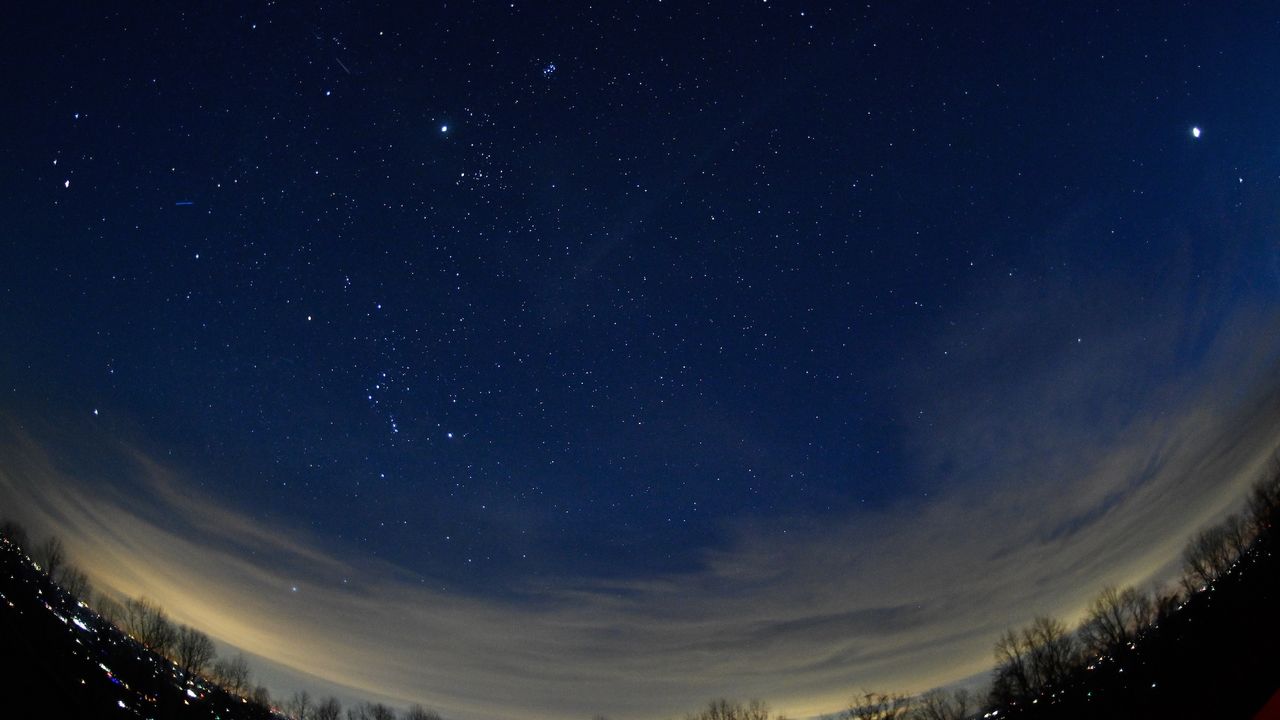
Six planets – Mercury, Venus, Jupiter, Saturn, Uranus and Neptune – will appear together in a dark night sky for almost a week, from Sunday, August 17. The fairly rare “planetary parade”, which is sometimes wrongly called a planetary alignment, will continue until Wednesday August 20.
The celestial gathering, given the last time in FEBRUARYwill appear in the eastern sky for about an hour before sunrise. Although most of these planets have been visible in the morning sky for weeks, Mercury will join the fray, bringing the number of planets from five to six.
Under a clear sky, you should be able to spot Venus,, Jupiter And Saturn. Mercury will be closer to the horizon but still brilliant enough to be seen by most observers. However, Uranus (appearing between Jupiter and Saturn in the sky) and Neptune (near Saturn in the sky) are too dark and distant to be seen with the naked eye. The only way to see these two ice giants is to use a good telescope.
Although it is relatively rare that six planets appear simultaneously in the sky, the beauty of sight will be considerably increased by the decreasing crescent.
In relation: How to photograph the moon: advice on camera equipment, settings and composition
On August 17 and August 18, a crescent moon will rise above Jupiter and Venus. The two brightest planets in the night sky now separate slowly after a Incredibly narrow conjunction on August 12.
Mercury can be visible below Jupiter and Venus, but it will be easier to see it on August 19. That morning, and on August 20, a thin crescent moon will be very close to Jupiter and Venus – a visual highlight of the “planetary parade”.
Around August 21, Mercury will begin to fall back into the glare of the sun and will become more difficult to see.
According to the Walk App star, there will be two parades of six planets in 2026: one after sunset in February and another before sunrise in August.


