Grimsby man owed £6k council tax after £100 bill spiralled


Vicky Johnson, Lucy Parry, Alice Evans and Gerry GeorgievaBBC investigations in Yorkshire and Lincolnshire

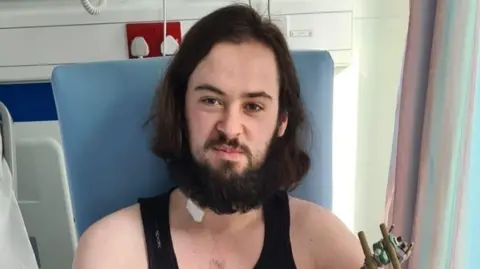 Mike Barley
When Mike Barley almost died in a motorbike accident on his way home from work, he didn’t think his biggest worry during his recovery would be the council tax bill he was sent the same day. But after missing a payment reminder letter while in hospital, his debts spiraled out of control.
Mr Barley, 26, from Grimsby, north-east Lincolnshire, had a “well-paid” job as a software developer and owned his own home, but the accident in March 2021 sent him to hospital for a month with broken ribs, a collapsed lung and serious injuries to his arms and legs.
On the same day as the accident, Mr Barley received a council tax bill for £101.71. He missed the payment and was still in the hospital when a reminder letter was sent to his home, so he missed that too.
Mr Barley said he was “stuck” on £90 a week sick pay at the time and remembers thinking: “I have no income left, I can’t work, I can’t walk. Where will this money come from?”
He says that after informing his local council that he would not be able to pay, it sent another letter, in June 2021, setting out a payment plan. It included two months of reduced payments, but then required Mr Barley to pay the rest of the year up front, a total of around £1,000.
Mr Barley’s counsel acted in accordance with the usual procedure in relation to unpaid council tax in England.
If you do not pay your monthly bill after three weeks, or if you are late with payments three times, municipalities can demand the entire remainder of the year’s bill and call in bailiffs to recover the debt.
Charities have long claimed that England’s method of recovering council tax debt punishes people who are genuinely struggling to pay – while the government says it is taking action against “archaic and aggressive” practices.
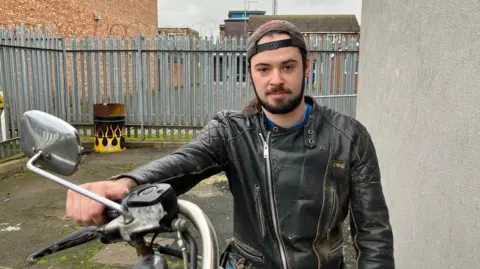 BBC News
After further reminder letters and warnings, Mr Barley’s case was passed to the bailiffs, who sent him a “threatening letter” informing him that they would come and seize and sell his assets to help him repay his debt.
“It was scary, to be honest,” he said.
Council tax funds public services such as aged care, libraries and bin collection.
It must be paid by any person who owns accommodation or lives in rented accommodation, unless they can benefit from exemptions.
When councils use bailiffs to try to recover a council tax debt, the person who owes money is charged an additional £75 for the bailiffs’ initial letter, £235 plus costs if a bailiff comes to their home to remove or sell goods, a selling fee of £110 if the goods are put up for sale and 7.5% of the value of the debt over £1,500.
Mr Barley said he tried to challenge the charges against him over the late bill but received no help and bailiffs continued to deliver letters to his home.
“It just makes you trapped, depressed,” he said.
Mr Barley said his relationship broke down under the pressure of trying to deal with his growing council tax debt, which he said reached a total of around £6,000.
He also fell behind on his mortgage and other payments. He managed to get his credit card wiped, but his house was eventually repossessed, and he said he had so little money to spend on food that his meals consisted of bread smeared with ketchup.
He said his council tax debt was “probably the worst” to deal with because of how quickly the total amount increased.
Mr Barley still owes around £1,700 of the £6,000, including £700 in bailiff’s fees.
He wants municipal councils to stop using bailiffs when the person in debt cannot pay.
“It just adds costs,” he said. “If [people] I can’t pay it in the first place, so handing it over to a bailiff will make things more difficult. »
According to our research, councils in East Yorkshire and Lincolnshire referred around 38% more people to bailiffs in the most recent year of data compared to the previous 12 months.
North East Lincolnshire Council said it could not comment on individual cases but had set aside a £100,000 relief fund to support some of those who are unable to pay their council tax debt.
The council said that on a case-by-case basis it sometimes gave people extra time to repay their council tax or helped them find ways to reduce their bill. Councils can also decide to cancel certain debts.
Matt Sheeran, of free debt advice service Money Wellness, said people should seek help immediately if they have problems paying their council tax.
“It’s so fast and so aggressive that a lot of people are surprised,” he said. “They just don’t realize how quickly [it] can degenerate. »
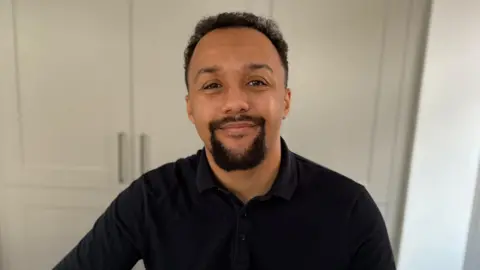 Money Well-being
Peter Tutton, policy director at the charity StepChange, which also offers free debt advice, added that the pressure some advice puts on people when chasing payments could make people’s financial difficulties worse.
“People are responding to payment demands by missing other bills, turning down their heating, borrowing,” Mr Tutton said.
Figures released in June show that English local authorities owe a total of £6.6 billion in council tax, a 50% rise on £4.4 billion five years ago – despite councils writing off more tax debts than before. In the most recent year of data, £250m of this debt was written off, up from £134m five years ago.
Other data obtained by the BBC through Freedom of Information requests revealed:
- Councils are increasingly referring people to bailiffs to help them recover their unpaid debts.
- Of the 253 municipalities which provided us with information, 1.4 million accounts were referred to bailiffs over the past year, or 46% more than four years ago.
- But the average amount they were able to recover per account fell slightly, suggesting that the bailiffs’ action may no longer be as effective as before.
In Bradford, West Yorkshire, the council referred 41% more people to bailiffs in the most recent year of data compared to the previous 12 months, our research shows.
The council has increased council tax rates by almost 10% this year as it tries to tackle rising debts which will leave it owing more than £1 billion by 2030.
Among those affected is Edmund Davies, who owes around £1,800 in council tax and is struggling to make ends meet on the £295 in benefits he receives each month.
He said the increase in council tax has made things much more difficult for people in his situation.
“I would like to pay it off – it’s just trying to come to a really affordable deal with the council, which is difficult,” said Mr Davies, who is also paying £20 a month towards the council debt he owed during his previous speech.
“To pay more…do I eat today, do I eat this week?” he said.
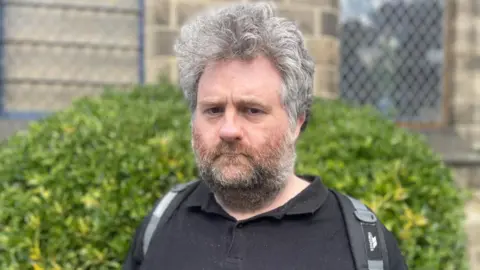 BBC News
Mr Davies recently received groceries from Bradford North Foodbank, where demand has increased by 30 per cent in the past year.
Food bank director Franco Biancardo said part of the increase was due to municipal tax debt. He calls on the council to recover the debt “in a gentler way” instead of going through the legal process.
Bradford Council said it was committed to helping those struggling to pay council tax and has provided an additional £1.2million of support this year.
A spokesperson added that the increase in enforcement visits over the past year was due in part to new charges for houses left empty for a year and the clearing of a backlog of cases.
The central government is currently examining debt recovery practices linked to municipal taxes.
A spokesperson for the Ministry of Housing, Communities and Local Government said it was “taking strong action to tackle archaic and aggressive recovery practices which have seen vulnerable people who missed payments subjected to lump sum payments and unmanageable liability orders”.
A spokesperson for the Local Government Association said councils had a “duty to residents to collect taxes” and that bailiffs and other law enforcement officers were “a last resort”.