Holiday Shopping Boom Defies Gloomy Consumer Surveys


From Gloom to Boom: A Holiday Shopping Odyssey
American consumers certainly have a funny way of expressing their gloomy moods.
For months, American consumers have been telling pollsters that the economy is precarious, that they can’t afford anything and that the purchasing conditions are the worst they have already seen. Yet last weekend, they shattered expectations by opening their wallets, clicking through online shopping sites and filling malls.
The University of Michigan Consumer Confidence Survey in November paints a picture of continued gloom. Sentiment plunged to its lowest level since June 2022. The Current Conditions Index hit an all-time low. Even more dramatic, purchasing conditions for large durable goods (cars, household appliances, furniture) have collapsed to a historic low in the history of the survey.
Bank of America economists noted deteriorating opinions about personal finance and widespread concerns about affordability. Democrats and Republicans declared themselves pessimistic, low-income consumers feel “significantly worse about the economy.” The survey suggests Americans think prices are too high, uncertainty too great and timing too insecure for major purchases.
So naturally, Americans went out and bought cars. Vehicle sales rebounded in November to a seasonally adjusted annual rate of 15.6 million units, compared to 15.32 million in October. Sales increased 1.8 percent month over month. This happened in the same month when consumers supposedly believed that purchasing conditions for large durable goods had never been worse. Auto sales are still down from last year, but this rebound is hardly consistent with the idea of a sluggish household sector.
Money speaks louder than surveys
THE Thanksgiving Weekend Shopping Data tells the same story of consumers defying their own stated pessimism. A record 203 million shoppers visited during the five-day period from Thanksgiving to Cyber Monday, according to the National Retail Federation. This is an increase from last year’s 197 million and surpassed the previous record of 200.4 million set in 2023. It also exceeded the NRF’s own expectations of around 16 million buyers.
They weren’t window shoppers. Nearly all (96%) made holiday-related purchases, spending an average of $337.86, up from $315.56 last year and the highest figure since 2019’s record. two-thirds of this amount was spent on gifts.
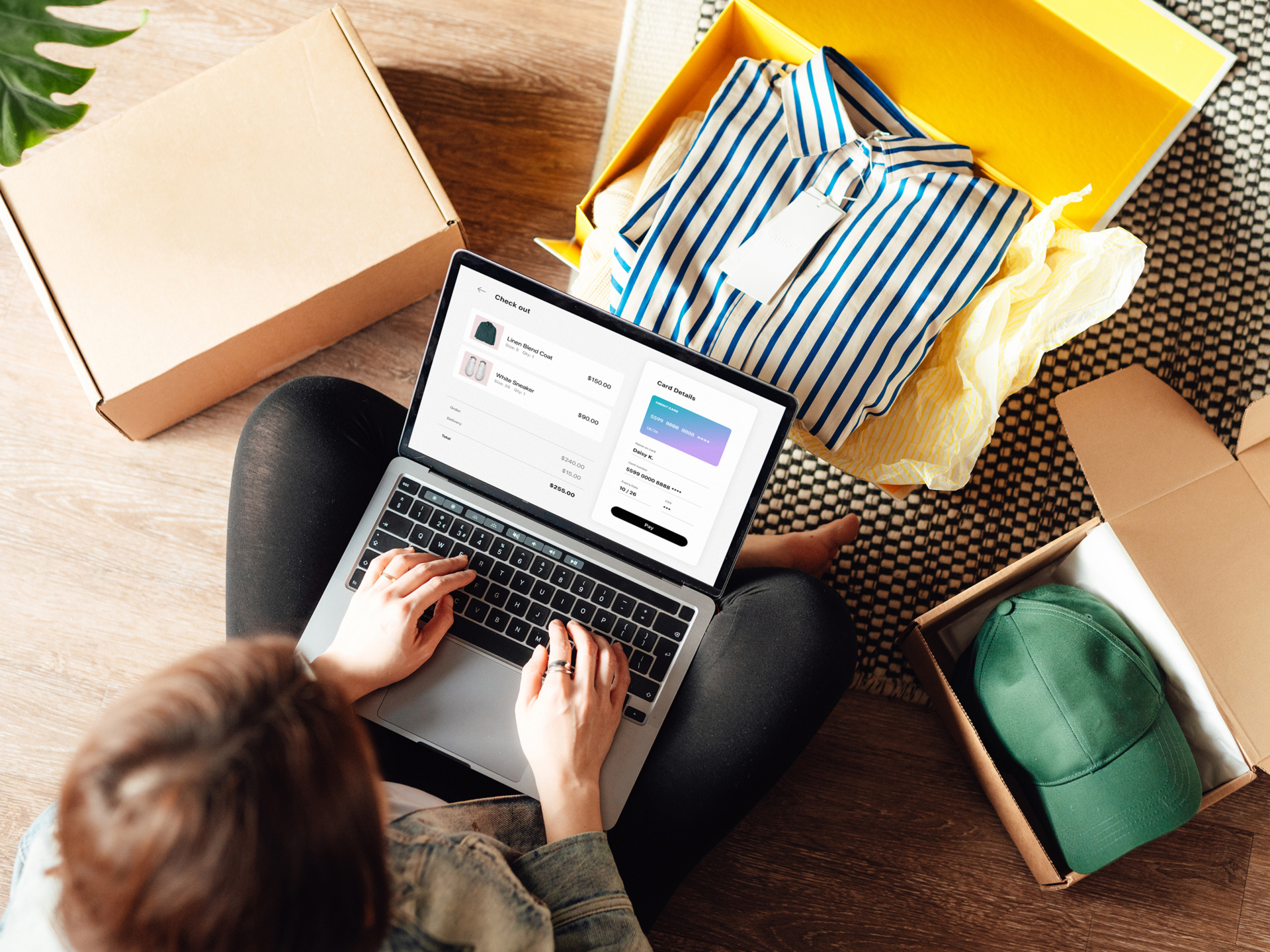
Elevated view of young woman making online payment via laptop while unpacking parcel upon delivery. Online shopping and home delivery.
In-store and online purchases have increased. Physical stores attracted 129.5 million customers, an increase of 3% compared to last year. Online, 134.9 million were attracted, an increase of 9 percent. Black Friday remained the number one shopping day, attracting 80.3 million people in-store and 85.7 million online. But the real surge has come on days when consumers aren’t supposed to shop. On Saturday, it attracted 62.7 million in-store shoppers and 63 million online. On Sunday after Thanksgiving, in-store traffic jumped 27 percent to a record 32.6 million shoppers.
Cyber Monday attracted 75.9 million online shoppers, up from 64.4 million last year, with mobile devices leading the way: 46.9 million consumers made purchases via mobile, up from 40.4 million in 2024.
Consumers purchased clothing and accessories (51 percent of shoppers), toys (32 percent), books and media (28 percent), and gift cards (26 percent). It is important to note that these are discretionary purchases and not households desperately stocking up on essentials in anticipation of an expected surge in inflation.
At the end of the Thanksgiving weekend, 84% of consumers have started their holiday shoppingeven though they still had about half of their shopping left to do. The National Retail Federation predicts that holiday spending will reach $1 trillion for the first time, growing between 3.7% and 4.2% from 2024.
The model here is not new, but it remains underestimated. Consumer sentiment surveys have become increasingly disconnected from consumer behavior. What people say about the economy and what they do with their money tell two different stories.
Several factors explain this discrepancy. Sentiment surveys capture emotional responses heavily influenced by media narratives, political polarization, and abstract concerns about the broader “economy.” Spending decisions reflect personal circumstances.
This doesn’t mean the economy is perfect or that there aren’t legitimate affordability concerns. But it suggests that consumer sentiment surveys have become bad predictors of actual consumer behavior. Americans might tell pollsters they’re worried about high prices and poor shopping conditions, but they buy anyway.
This disconnect is important because policymakers, investors and analysts often view opinion surveys as leading indicators of spending. If consumers are feeling pessimistic, conventional wisdom goes, they will soon tighten their belts. Except that’s not the case. They continue to spend while complaining about the economy, breaking purchasing records while claiming purchasing conditions are terrible.


