How different mushrooms learned the same psychedelic trick


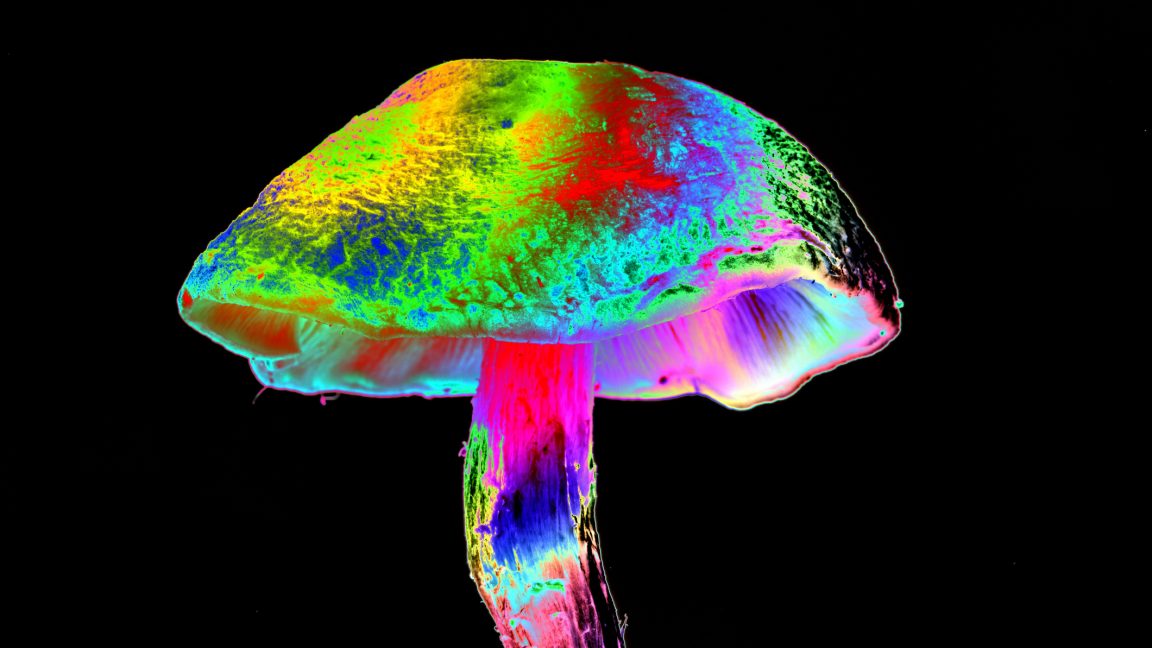
Magic mushrooms have been used in traditional ceremonies and for recreational purposes for thousands of years. However, a new study revealed that fungi has evolved the ability to make the same psychoactive substance twice. The discovery has important implications both for our understanding of the role of these fungi in nature and their medical potential.
Magic mushrooms produce psilocybin, which your body converts into its active, psilocin, when you ingest it. Psilocybin accelerated in popularity in the 1960s and was finally classified as a medication in Appendix 1 in the United States in 1970, and as a class A medication in 1971 in the United Kingdom, the designations given to drugs that have high abuse potential and without medical use accepted. This put an end to research on the medical use of psilocybin for decades.
But recent clinical trials have shown that psilocybin can reduce the severity of depression, suicidal thoughts and chronic anxiety. Given its potential for medical treatment, there is a renewed interest in understanding how psilocybin is done in nature and how we can produce it in a lasting way.
The new study, led by the researcher in pharmaceutical microbiology, Dirk Hoffmeister, of the University of Friedrich Schiller Jena, discovered that mushrooms can make psilocybin in two different ways, using different types of enzymes. This has also helped researchers discover a new way of making psilocybin in a laboratory.
Based on the work led by Hoffmeister, the enzymes of two types of mushrooms not related to the study seem to have evolved independently of each other and take different ways to create exactly the same compound.
This is a process called convergent evolution, which means that non -related living organisms evolve two distinct ways of producing the same trait. An example is that of caffeine, where different plants, including coffee, tea, cocoa and guaraná, have independently evolved the ability to produce the stimulant.
This is the first time that convergent evolution has been observed in two organizations that belong to the fungal kingdom. Interestingly, the two mushrooms in question have very different lifestyles. Inocybe CorydalinaAlso known as Fibercap Greenflush and the object of Hoffmeister’s study, develops in combination with the roots of different types of trees. Psilocybe mushrooms, on the other hand, traditionally known under the name of magic mushrooms, live on nutrients that they acquire by decomposing dead organic matter, such as decomposition wood, grass, roots or dung.


