IDF faces looming manpower gap as ultra-Orthodox draft fight stalls service extension

The issue of the ultra-Orthodox bill is becoming increasingly urgent as the bill returns to the Knesset agenda, amid a coalition crisis that could dissolve the Knesset.
Israel’s military manpower crisis is expected to worsen unless legislation expanding mandatory service advances separately from the haredi (ultra-Orthodox) bill, as the IDF faces a widening gap between wartime operational needs and the number of troops available to meet them.
Defense officials warned Sunday that by the end of the year, units could face a severe manpower shortage, emphasizing the lack of thousands of combat troops on regular duty.
The issue became more urgent as the ultra-Orthodox conscription bill returned to the Knesset agenda on Sunday, ahead of its final readings and amid a coalition crisis over a possible vote to dissolve the Knesset.
While the ultra-Orthodox bill has become one of the main political fights threatening Prime Minister Benjamin Netanyahu’s coalition, defense officials have also pushed for a separate expansion of compulsory service, arguing that the current model no longer fits the demands imposed on the military since October 7.
The Israeli military operates in multiple domains while facing heavy casualties, high reliance on reserves, and increasing erosion of regular and reserve forces. Many reservists who once served for much more limited periods have been called up repeatedly since the war began, with the annual reserve load now reaching around 80 to 100 days for some combat soldiers.

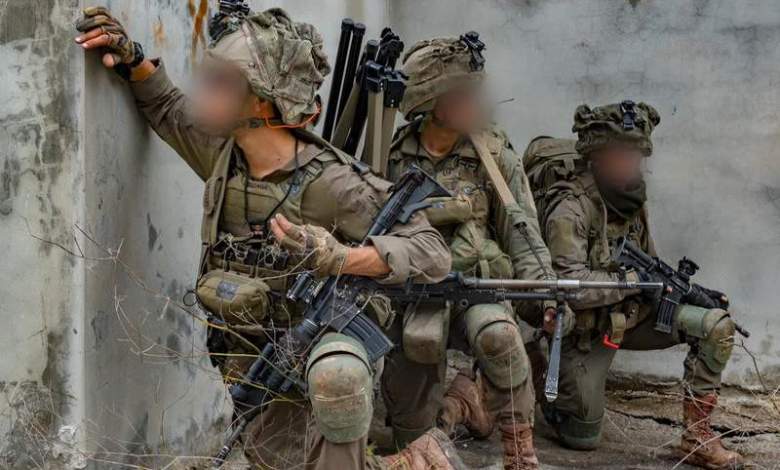
IDF forces during the “Brimstone and Fire” preparation exercise, May 15, 2026. (credit: IDF SPOKESPERSON’S UNIT)
Regular soldiers, meanwhile, spend more time in operational employment and less time in training, leaving units with some combat soldiers to remain almost continuously on the line rather than alternating between operational duty, training and recovery.
Time lag leads to personnel problems in combat formations
One of the main concerns relates to the first cohorts enlisted under the shorter service. Soldiers enlisted in July 2024 must complete 30 months of service in January 2027, while replacement troops would not reach units until later in the cycle.
Without a legislative solution, this time lag could lead to recurring declines in unit strength, particularly in combat formations already severely tested by the war. The January 2027 drop could amount to nearly 4,000 troops at once, before recovering about two months later.
The concern is that without upcoming legislation, the shortage will become more difficult to manage and could disrupt the military’s personnel supply. The Israeli military has sought to advance legislation expanding compulsory service, but the measure has become entangled with the politically explosive ultra-Orthodox conscription bill.
Critics of the ultra-Orthodox bill say its current version would not significantly increase recruitment, while several coalition MPs have said they would oppose it in its current form.
The pressure on the workforce is not only a question of enlistment numbers, but also of sustainability. Greater motivation and recruitment since the war have not been enough to ease the burden on the entire force, as casualties, attrition, mission expansions and repeated calls to the reserves continue to absorb much of the additional manpower. The result is an army that has grown in some areas, but remains strained in the units that bear the main operational burden.
The emerging defense position is that no single measure will solve the shortage. Expanding mandatory service, expanding the reserve cadre, increasing ultra-Orthodox enlistment, expanding combat recruitment among women and other populations, and building limited permanent service models are all treated as parts of a single workforce response.
The Israeli military is increasingly relying on women in combat roles, with the number of women enlisted in combat increasing from 547 in 2012 to more than 5,200 in 2025.
Without movement on these lines, the burden is expected to remain concentrated on the same regular and reserve soldiers who already carry much of the war effort.
Keshet Neev contributed to this report.