Incredible, first-of-its-kind video shows human embryo implanting in real time


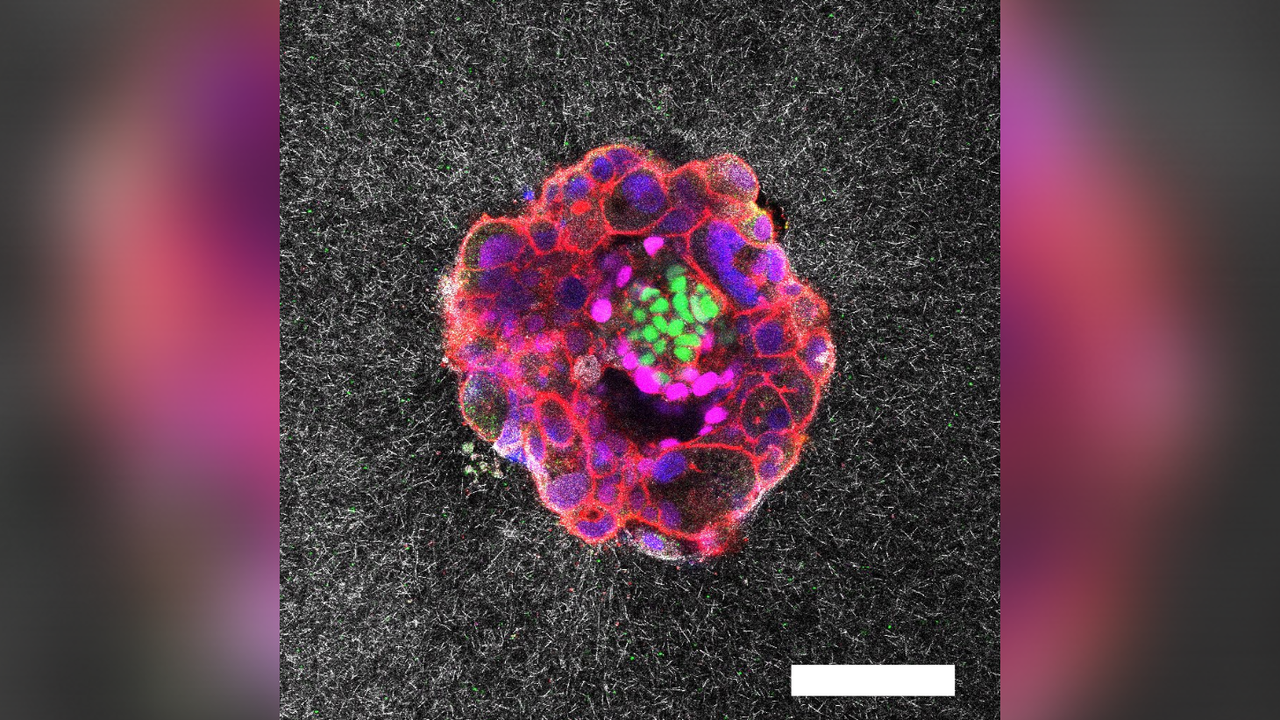
For the first time, scientists have captured a real -time vision of a human embryo implanting in a laboratory model of a uterus.
Being able to assist in the complex implantation process can be useful to advance fertility procedures, such as in vitro fertilization (IVF), according to researchers.
“We have observed that human embryos sank into the uterus, exercising considerable strength during the process”, co-author of the study Samuel Ojosnegrosprincipal researcher of bio-engineering for the reproductive health group at the Institute of Bio-Engineering in Catalonia (IBEC) in Spain, said in a statement. “It is a surprisingly invasive process.”
In a study published Friday August 15 in the journal Scientific advancesThe researchers detailed their invention from a device that allowed them to record a video showing how human implant embryos. The process allows them to measure the force exerted during the implantation and to see how it differs between human embryos and mice.
During the implantation, mammal embryos are fixed endometrium – The mucosa of the uterus – then begins to develop and give birth to more and more cells. Sometimes, however, this biological process does not work as expected. “The failure of the implantation is one of the main causes of infertilitycounting 60% of false layers“The researchers wrote in the study.
Studying the functioning of the implantation of the embryo in humans is difficult because it requires capturing a short time in time inside a complex organ. Capturing this ephemeral moment would be particularly difficult inside a person – for example, a patient with IVF – since he could be risky to disturb the reproductive system at that time.
In relation: Should we rethink our legal definition of a human embryo?
As such, the only sequence of human implantation captured before the new study was a series of fixed images embryos at specific moments of the process and in a simple uterine environment laboratory model.
Now, Ibec researchers have developed a way to capture the establishment of a human embryo in four dimensions. First of all, they created a gel composed of various proteins in uterine tissues, including collagen, and put embryos at an early stage in the frost. The embryos used in this study were given by couples undergoing IVF.
This configuration allowed the team to use microscopy and fluorescence imaging techniques to record the implantation of embryos in the frost. Looking at the locations, they discovered that after having released enzymes that broke the uterine fabric, the human embryo invaded the uterus.
“The embryo opens a path through this structure and begins to form specialized fabrics that connect to the mother’s blood vessels to eat,” said Ojosnegros. (The research carried out by other laboratories detailed how the placenta – the temporary organ which provides oxygen and nutrients to the fetus – likewise invades a major maternal artery In order to form at the beginning of pregnancy.)
They also found that the excavated embryo exerted a force on the uterus, moving essentially and reorganizing the tissues. The embryos also seemed to respond to the external forces they encountered, such as the addition of other cells and structures in GOO. “We hypothesize that contractions occur in vivo [in the body] can influence the implantation of the embryo, “co-author of the study Amélie GodeauA researcher said at Ibec, in the press release.
These contractions can hold a key from a successful establishment, have suggested researchers in the study. The human uterus contracts spontaneously once or twice a minute, on average, and the nature of these contractions changes throughout the menstrual cycle. A previous study found that people with too or few uterine contractions on the day of the transfer of IVF embryos had lower implantation rates than people with a “fair” amount.
“This suggests that there can be an optimal range of frequencies favorable to the implementation of embryos,” wrote the researchers. The exact role of uterine contractions in a successful establishment is Always under studyHowever.
A better understanding of the complexity of the human uterus and the implantation process can lead to better IVF results in the future, have proposed the authors of the study.
This article is for information only and is not supposed to offer medical advice.