Inventor Beulah Louise Henry’s unstoppable rise to becoming ‘Lady Edison’


Beulah Louise Henry was only nine years old when she had her first invention in 1896, a device that allowed a man to take off his hat without ever putting down his newspaper.
By the time she died in 1973, at the age of 85, she had invented many others: a doll with eyes that changed color at the press of a button, a sewing machine without a bobbin (a spool of thread that slowed down work because it had to be frequently refilled), a clock designed to help children learn to tell the time, and others, which the press even nicknamed Henry “Lady Edison.”
Her ideas, she once told a reporter, were “messages from a guiding spirit.”
The beginnings of Beulah Louise Henry
Henry grew up as a girl of fortune in Raleigh, North Carolina. His father Walter was a prominent lawyer and orator. Her mother, also named Beulah – a common tradition in the late 19th century – was a housewife and the daughter of the state’s former governor.
After high school, Henry went to Elizabeth College, a private, short-term Lutheran school for women in Charlotte. Henry had not yet graduated when, in 1912, she received her first patent for a device she had dreamed up while she was there: a sous vide ice cream maker designed to use both a motor and a hand crank (since electricity was still distributed unevenly at that time), as well as minimal ice (which was not widely available until the freezer appeared a few decades later).
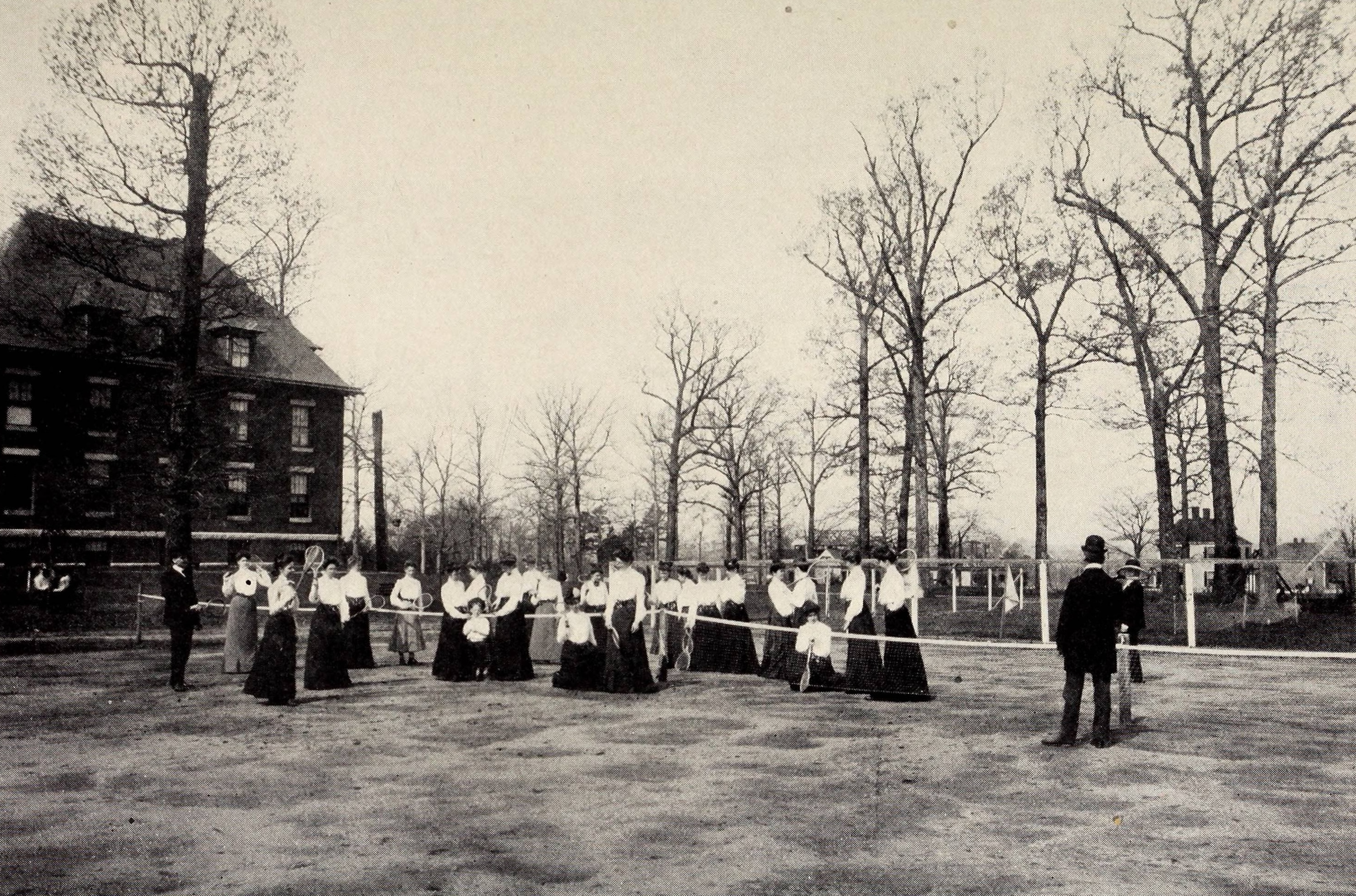
Henry tried and failed to sell his “ice cream freezer” in Memphis, where his family had moved. But the city’s retailers and manufacturers were not interested in this device.
This same stony resistance thwarted Henry’s next attempt at commercial success, a parasol with a snap cover that could be altered to match a woman’s outfit. Around 1920, the family agreed to move to New York, where their daughter’s ingenuity could be better appreciated.
In Manhattan, Henry wandered day after day through the city streets and noisy manufacturers’ workshops, trying to generate interest in his interchangeable umbrella. But it was no use. Not only did they not see the invention’s potential, they told him that the design was fatally flawed, that it would be impossible to pierce the metal ribs of the umbrella with the snaps needed to hold the umbrella cover in place.
How Henry’s tenacity brought him his first commercial success
There was—and still remains today—both implicit and explicit bias against women inventors and certain types of inventions they created, says Kara Swanson, a law professor at Northeastern University in Boston, Massachusetts. Although, unlike many women of her time, Henry had both the financial resources and at least some of the training required to develop her clip-on parasol, the technological advancement was one whose commercial viability was hard for men who worked in patent and manufacturing offices to imagine.
Henry, however, “was obviously very motivated,” Swanson says. After multiple refusals to build the umbrella prototype she needed to sell her invention commercially, she finally gave up and made it herself. By the mid-1920s, Henry had managed to obtain the necessary patents and sell his umbrella under license. Displayed in the windows of the Lord & Taylor department store, it sold like hot cakes.
How Beulah Louise Henry Transformed into ‘Lady Edison’
Henry was not required to live in hotels, but like many upper-middle-class New Yorkers in the 1920s and 1930s, she chose to live in a hotel for convenience. Midtown stays gave Henry, a woman always brimming with new ideas, easy access to the patent attorneys, pattern makers and retailers her entrepreneurial spirit needed.
Although he never married or had children, Henry could see the potential in the children’s toy market. His subsequent inventions captured the zeitgeist of early 20th-century children’s entertainment, including a lifelike doll with a built-in radio, a water float anchored by inflatable swans, and a variety of different ways to seal and cover air-filled balls.
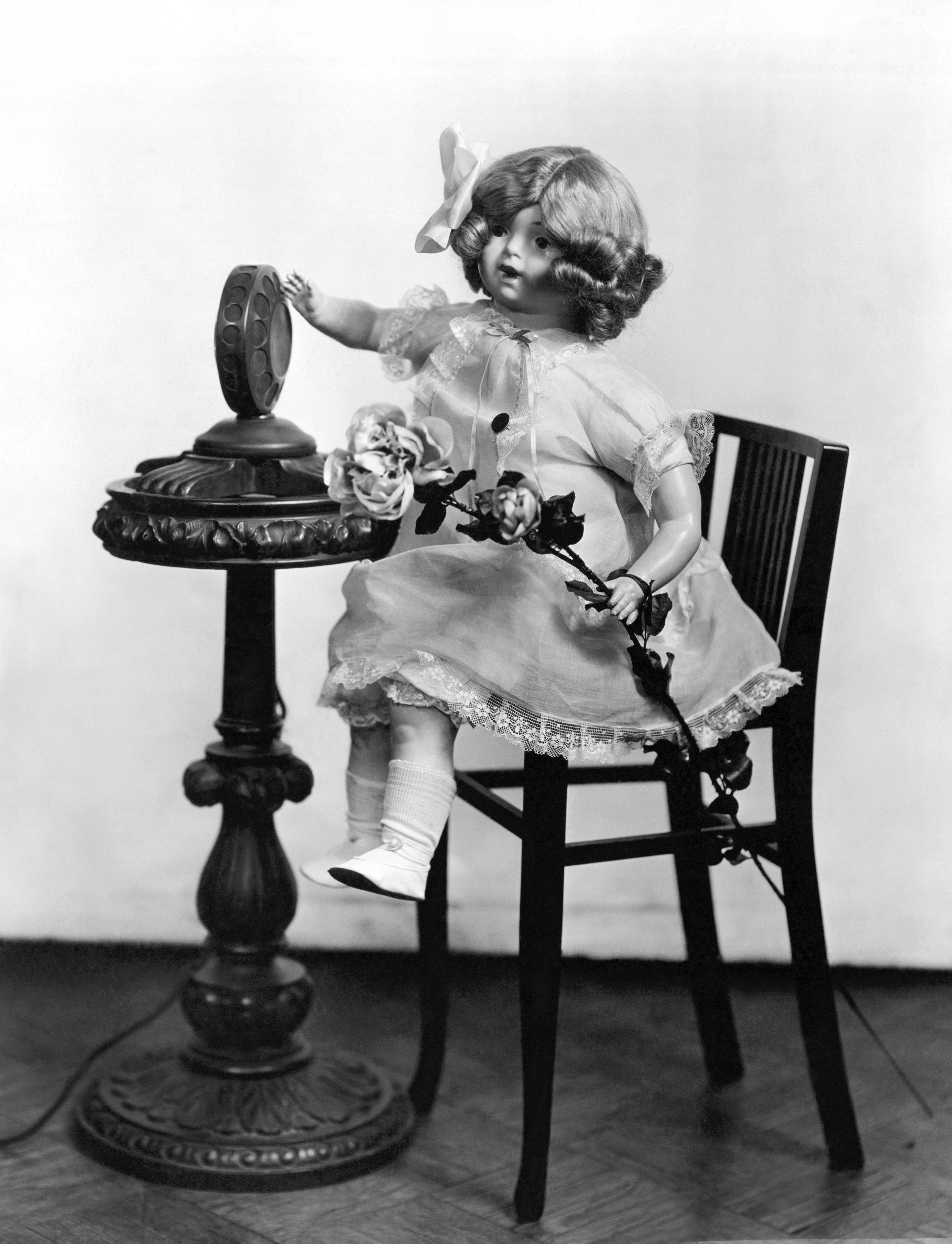
These toys, along with a variety of devices used primarily by women – a special attachment that allowed typists to create a copy of a document without getting their hands dirty, an industrial sewing machine that made two parallel rows of stitching for stronger, longer-lasting seams, and others – were Henry’s specialty. As progress was geared towards women and children, it may have been more difficult for Henry to obtain patents than it would have been for inventions aimed at men. However, once they arrived in stores, commercial success was almost a given.
“Think about who did the daily shopping,” Swanson says. “Women were in department stores, clothing stores, notion stores (stores specializing in sewing accessories), grocery stores. »
Even more expensive items, like dishwashers and washing machines, which most women in the early 20th century would not have been able to afford without the help of their husbands or fathers, were still available to them. “Manufacturers understood that women were very involved in purchasing decisions,” she says.
Henry, herself, was the model of a new type of independent woman. She worked late and danced later, her hair styled in a sleek bob. Throughout the 1920s and 1930s, even during the Great Depression, the inventor and her team at the Henry Umbrella and Parasol Company and, later, the BL Henry Company, filed an average of more than two patents per year.
“I invent because I can’t help it,” Henry once said. Astonished by her prolific output, journalists drew a parallel between her and the New Jersey inventor of electricity. The nickname “Lady Edison” stuck with her for the rest of her life.
Henry’s eccentric lifestyle and empire of invention
By the 1940s, Henry, now middle-aged, was a public figure. She was considered proper and respected, if not somewhat eccentric. The suite of rooms she rented at the Seville Hotel, on 29th and Madison Avenue, was known for smelling of incense and having a revolving door through which many pet birds, turtles and a cat named Chickadee passed. She placed a telescope near the window to observe the night sky.
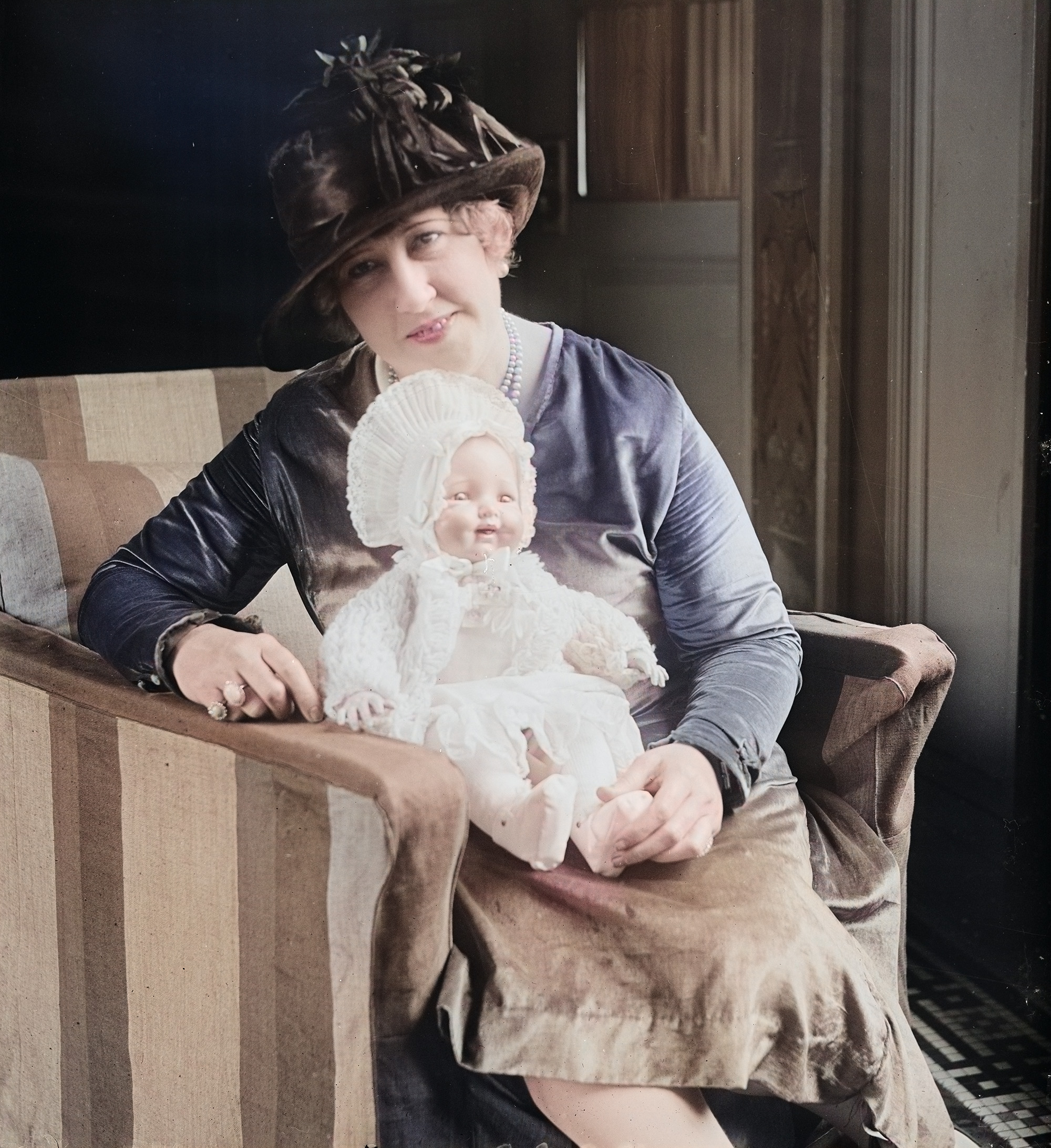
After World War II, during which Henry joined the effort by working in a machine shop, she returned to the game of invention with a host of new ideas: Milka-Moo, a stuffed cow that squirted milk; a toy dog that ate real food; an inflatable interior compartment that makes the dolls lighter and easier to clean; a device that continually basted a roast with juice.
Henry received her last patent, the 49th, for a new type of “direct and return” envelope in 1970. She is believed to have invented more than twice as many inventions during her lifetime, half of which never reached the patent stage. Yet, says Swisher, “it was rare for an inventor [acquire so many patents]”, regardless of their gender.
It took another 36 years before Beulah Louise Henry finally shed her reputation as the female version of Thomas Edison. In 2006, she was recognized for her brilliant mind by the National Inventors Hall of Fame.
In This time whenPopular Science tells the strangest, surprising, and little-known stories that have shaped science, engineering, and innovation.
Related Stories

The best new PopSci 2025 releases


