iRobot has filed for bankruptcy and may be taken over by its primary supplier

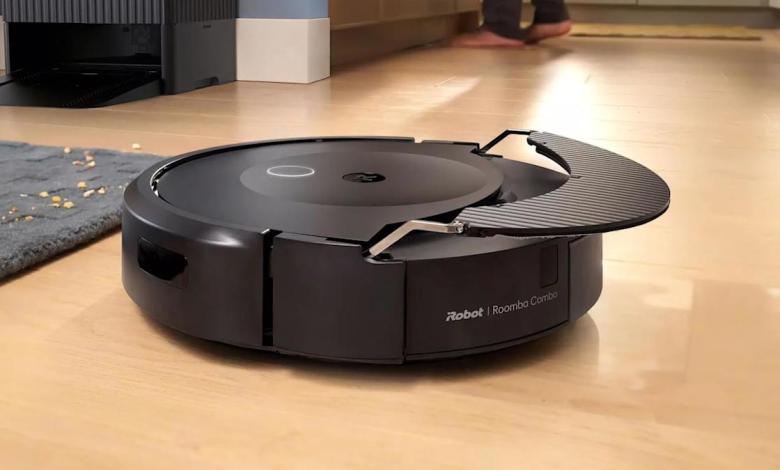
iRobot, which introduced robot vacuum cleaners to the general public with its iconic Roomba models, has filed for bankruptcy (Chapter 11). The Massachusetts-based company plans to sell all of its assets to its main supplier, a Chinese company known as Picea Robotics. If approved by a bankruptcy court, the move would allow iRobot to “continue operating as normal, pursue its product development roadmap, and maintain its global footprint,” iRobot wrote in a press release.
The company expects the deal to close in February 2026, but says it will continue to operate “without anticipated disruption to the functionality of its applications, customer programs, global partners, supply chain relationships, or ongoing product support.” This means that your Roomba should continue cleaning as normal and you will be able to obtain consumables and replacement parts.
However, common stock investors “will suffer a total loss and will not receive a recovery on their investment” if the deal is approved, iRobot said. The company did not discuss how the move might affect its employees in the United States or elsewhere.
Bankruptcy seemed a likely outcome for iRobot after Amazon abandoned its $1.7 billion acquisition of the company last year following a threatened veto from European regulators. The company’s fortunes continued to decline and it issued a statement to investors in March 2025 that it had “substantial doubts about [its] ability to continue.”
It’s a sad turn of events for the company that invented the robotic vacuum cleaner niche and launched its first product, the Roomba, in 2002. It dominated this space for over a decade, but its market size has been steadily shrinking more recently, especially since Covid, due to competition from rivals like Roborock and Dreame.
Although iRobot revamped its product lineup earlier this year with new models like the Roomba 105 Vac Robot series and the Roomba Plus 505 Combo Robot + AutoWash Dock, they failed to move the sales needle enough. The company was reportedly hit hard by Trump’s 46% tariffs on Vietnam, where it produces products for the U.S. market.
If the sale is approved, iRobot says it will come back strong. “Today’s announcement marks a critical step in securing iRobot’s long-term future,” said CEO Gary Cohen. “The transaction will strengthen our financial position and help ensure continuity for our consumers, customers and partners.”


:max_bytes(150000):strip_icc()/Health-GettyImages-SupplementsNotToMixWithVitaminD-75578ebb029c4f98a74a9bf61419e666.jpg?w=390&resize=390,220&ssl=1 "4 Supplements Not to Mix with Vitamin D")