Many genes associated with dog behavior influence human personalities, too


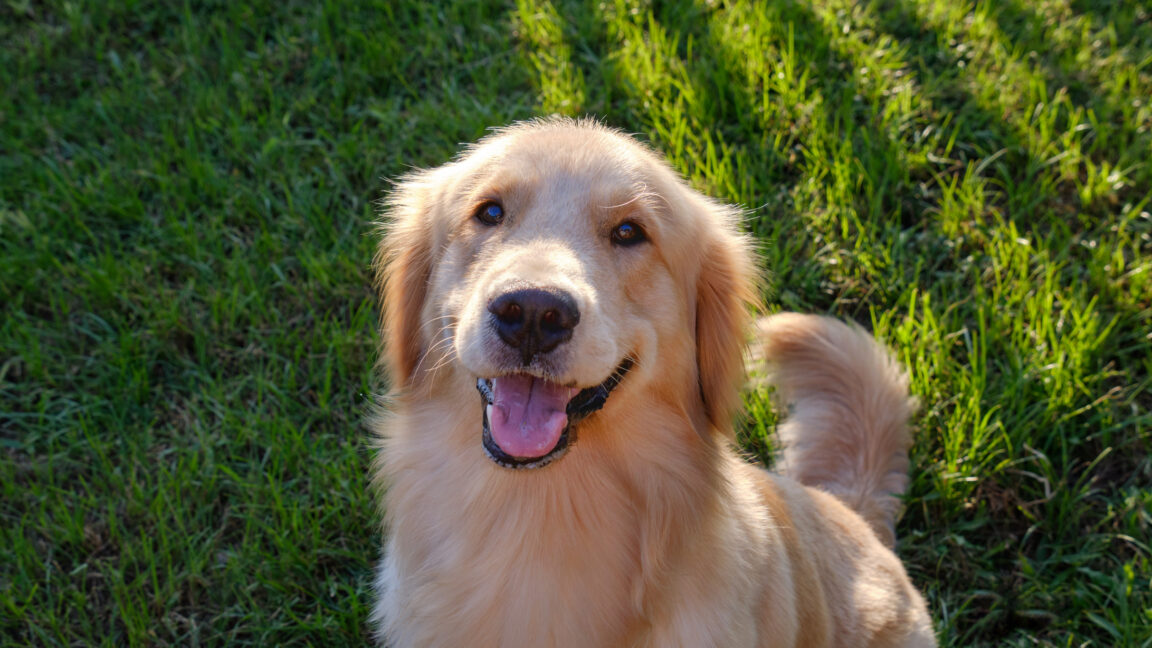
Many dog breeds are known for their personality and behavioral traits, from the distinctive vocalizations of huskies to the herding of border collies. People have worked to identify the genes associated with many of these behaviors, taking advantage of the fact that dogs can interbreed. But this creates its own experimental challenges, because it can be difficult to separate certain behaviors from the breed’s distinctive physical traits: Small dog breeds may appear more aggressive simply because they feel threatened more often.
To get around this problem, a team of researchers recently conducted the largest gene/behavior association study within a single dog breed. Taking advantage of a population of more than 1,000 golden retrievers, they discovered a number of genes associated with behaviors within this breed. A high percentage of these genes were found to correspond to regions of the human genome also associated with behavioral differences. But, in many cases, these associations are accompanied by very different behaviors.
I went to the dogs
The work, carried out by a team based largely at the University of Cambridge, used the Golden Retriever Lifetime Study, which involved more than 3,000 owners of these dogs who completed annual surveys including information on their dogs’ behavior. More than 1,000 of these owners also had blood samples taken from their dogs and shipped; researchers used these samples to analyze the dogs’ genomes for variants. These were then compared to ratings of the dogs’ behavior on a range of issues, such as fear or aggression towards strangers or other dogs.
Using the data, the researchers identified when different regions of the genome were frequently associated with specific variants. In total, 14 behavioral trends were examined, and 12 genomic regions were associated with specific behaviors, and nine others showed somewhat weaker associations. For many of these traits, it was difficult to find many, as golden retrievers are notoriously friendly and gentle dogs, so they tend to score low for traits such as aggression and fearfulness.
This result was significant because some of these same regions of the genome had been associated with very different behaviors in mixed-breed populations. For example, two different regions associated with touch sensitivity in golden retrievers had been associated with a love of hunting and owner-directed aggression in a non-breed-specific study. This finding suggests that the studies identified genes that might be involved in preparing behaviors, but were biased toward specific outcomes by other genetic or environmental factors.


