Medicare negotiated lower prices for 15 drugs, including 71% off Ozempic and Wegovy : Shots

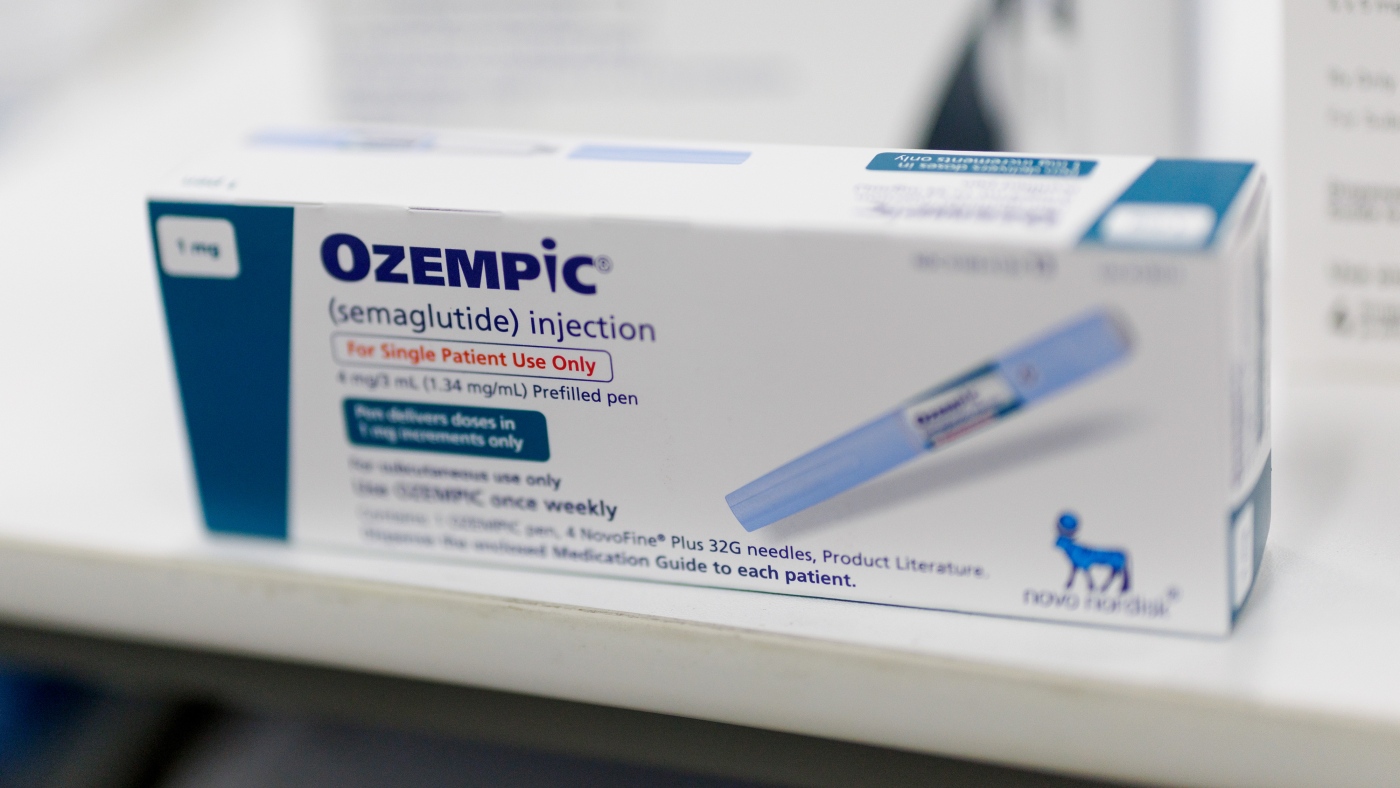

A box of Ozempic in a pharmacy in Los Angeles on August 6, 2025.
Eric Thayer/Bloomberg via Getty Images
hide caption
toggle caption
Eric Thayer/Bloomberg via Getty Images
The federal government announced the results of the latest round of Medicare drug price negotiations: 15 lower Medicare drug prices will take effect in 2027.
Medicare will get a 71 percent discount on Ozempic, Wegovy and Rybelsus, blockbuster drugs for obesity and type 2 diabetes with a current list price of about a thousand dollars per month.
Negotiations also included drugs for asthma, breast cancer and leukemia. Reductions ranged from 38% for Austedo, which treats Huntington’s disease, to 85% for Janumet, for type 2 diabetes.
“President Trump has asked us to stop at nothing to reduce health care costs for the American people,” Health and Human Services Secretary Robert F. Kennedy, Jr., said in a press release. “As we work to make America healthy, we will use every tool at our disposal to provide affordable health care to seniors.”
The program that covers drugs for more than 50 million seniors negotiated its first batch of drug prices last year, after the Biden-era inflation reduction law was passed in 2022.
A provision of that law, passed without Republican support, ended Medicare’s 20-year ban on drug price negotiation.
Negotiations for this second batch of 15 drugs were completed at the end of October.
The Centers for Medicare and Medicaid Services (CMS) says Medicare’s new lower prices would have saved the program $12 billion if the lower negotiated prices had been in effect in 2024.
The latest negotiated prices are great news for taxpayers and patients, says Dr. Benjamin Rome, a health policy researcher at Brigham and Women’s Hospital in Boston. Federal taxpayers fund much of Medicare, but beneficiaries also must pay copayments and coinsurance.
“These are greater savings than the first round, but a lot of that is due to the nature of the drugs traded this year and probably lessons learned from experience,” he says.
The drugs were selected earlier this year based on criteria enshrined in law. They had to have no generic or biosimilar competitors, represent a significant portion of Medicare spending, and be on the market for several years.
The price cuts for Ozempic and Wegovy follow a separate deal announced Nov. 6 by the Trump administration with Novo Nordisk, which makes both drugs.
The deal was part of the president’s efforts to get pharmaceutical companies to voluntarily lower their prices in the United States to bring them in line with those in other developed countries.
But confusingly, the cuts resulting from the Medicare negotiations were less than what Novo Nordisk agreed to give to Medicare under the November 6 deal.
This previous agreement set a price of $245 per month for Ozempic and Wegovy. But according to negotiated pricing announced this week, prices for Ozempic, Wegovy and Rybelsus — the company’s Type 2 diabetes pill — will be $274 per month.
“We don’t know why Novo [Nordisk] would promise a different price in two different locations,” Rome says.
In a company statement, Novo Nordisk explained that it “looked[s] We look forward to further clarification from CMS on how pricing and coverage will work. »
The Trump administration’s separate agreement “reflects a broader effort to expand access to obesity care through Medicare and Medicaid,” the statement said.
(The deal expanded access to drugs in those two programs to people with a body mass index over 35 and to people with a BMI over 27 who have other health conditions. But the exact details of how it will work remain unclear.)
Novo Nordisk’s statement said the company is committed to advocating for affordable access to its medicines, but “we continue to have serious concerns about the impact of the Inflation Reduction Act on patients and remain opposed to government price setting.”
AARP, an advocacy group for the 125 million Americans aged 50 and older, said it was satisfied with the results of the negotiations.
“Today’s announcement marks another important step in our long-standing efforts to lower prescription drug prices,” AARP CEO Dr. Myechia Minter-Jordan said in a statement.
“Older Americans, across the political spectrum, consistently say that lowering drug prices is a top priority, and that these negotiated prices will provide significant relief to millions of people on Medicare.”


