Michigan’s only rattlesnake is inbreeding


Although sexual inversion, genetic game or the evolution of reproducing later in life makes the animal kingdom incredibly resilient, it is difficult to go beyond consanguinity. Or outside, in the case of the only kind of bell serpent found in the state of Michigan.
A 15 -year study revealed that farms, buildings and roads make the tasks difficult for the Snake in Massasauga Oriental Snake (Catenatus sistrurus) to find a companion. The most consanguineous snakes had serious problems not only producing viable offspring, but simply surviving from year to year. The results are detailed in a study published on August 18 in the journal Proceedings of the National Academy of Sciences (PNA).
“These are fairly large and stable populations of Eastern Massasaugas,” said Sarah Fitzpatrick, co-author of the study and biologist of the conservation of Michigan State University, Sarah Fitzpatrick. “The fact that we detect the problems of consanguinity in these populations is worrying, since many other Midwest populations are much smaller and even more fragmented.”
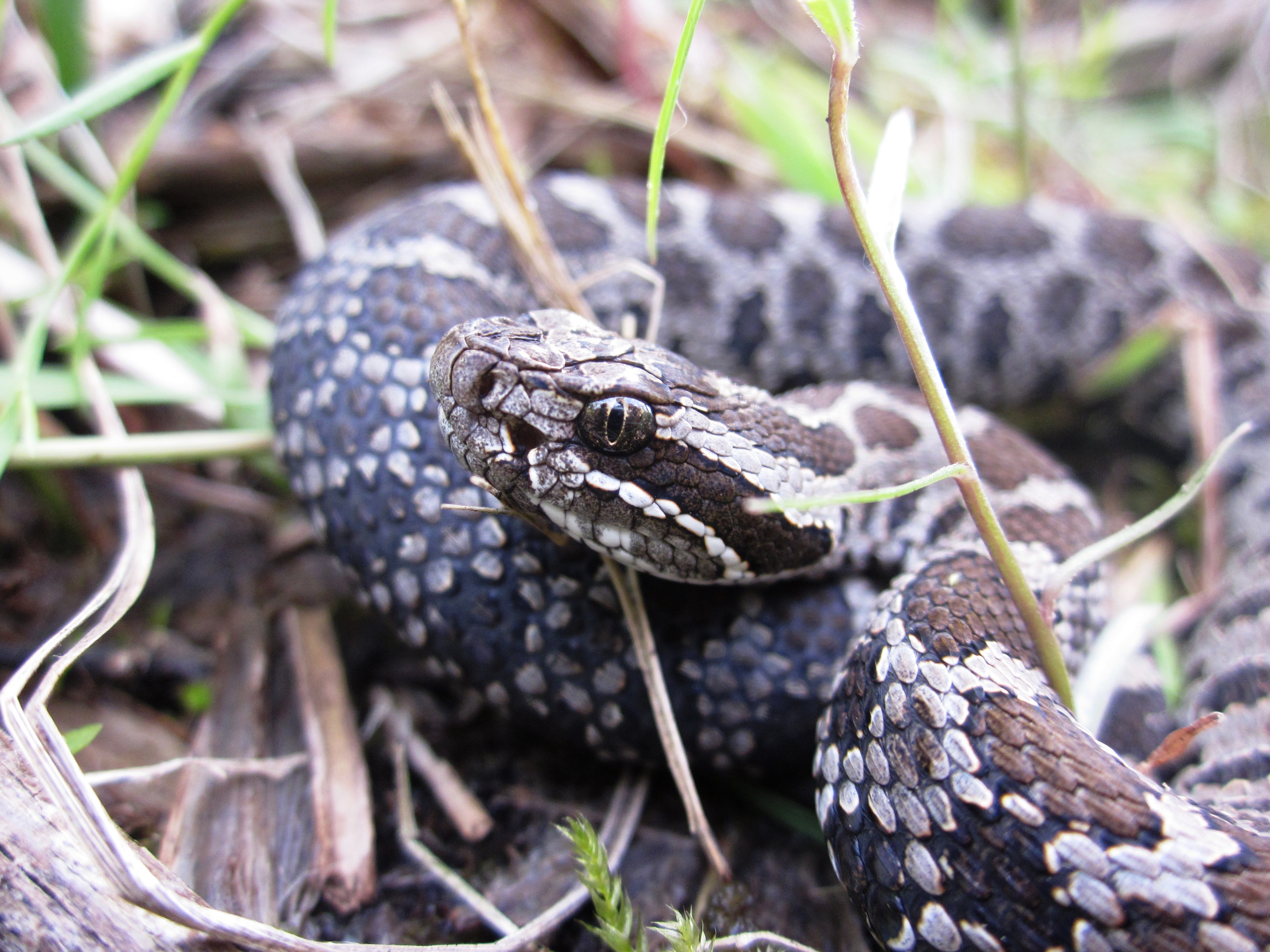
Checking physical condition
As poisonous snakes, the oriental Massasauga snakes are not necessarily the most popular animal. However, reptiles are a kind of food networks in wetlands throughout the Midwest. Snakes hunt mice and rats that could be creeping in neighboring houses and barns if they are not controlled. According to the co-author of the Meaghan Clark study, if the bell snakes disappeared, the entire balance of the ecosystem would be disturbed.
These bell snakes are considered timid and do not move too much from the wetlands where they were born. They generally only walk around to explore a neighboring habitat and find a companion before returning home. However, the increase in human development probably maintains even more confined oriental massasaugas. When it is finally time for snakes to choose a companion, they are more likely to end up with a snake linked to it instead of a distant population.
[ Related: The last woolly mammoths were impressively inbred—but that’s not what killed them. ]
“They are very vulnerable to even minor disturbances to their habitat,” said Fitzpatrick. “Even a single road can isolate populations.”
When animals reproduce with their loved ones, it generally harms the physical form of their babies. In biology, the “fitness” describes the success of an animal to survive, produce babies and continue on the species.
Consanguinity can reduce the physical form of what environmentalists call the depression of consanguinity. However, it can be quite difficult to prove in wild populations, especially snakes with a venomous bite.
Family trees in sonnette
In the study, the Fitzpatrick laboratory has teamed up with long -term snake monitoring projects, in partnership with researchers from the Grand Valley State University, West Virginia University and the association of Zoos and Aquariums. Each summer since 2009, scientists armed with snake pliers have traveled wetlands to capture the elusive reptile.
The team noted the length, weight and status of pregnancy of each snake. They also did blood so that they could extract DNA and sequence their genomes. This genetic information helped them follow the number of babies born and survive adulthood, but also allowed the team to rebuild pedigers and determine how two individual snakes were linked. The team finally retraced family stories from more than 1,000 oriental Massasauga rod snakes.
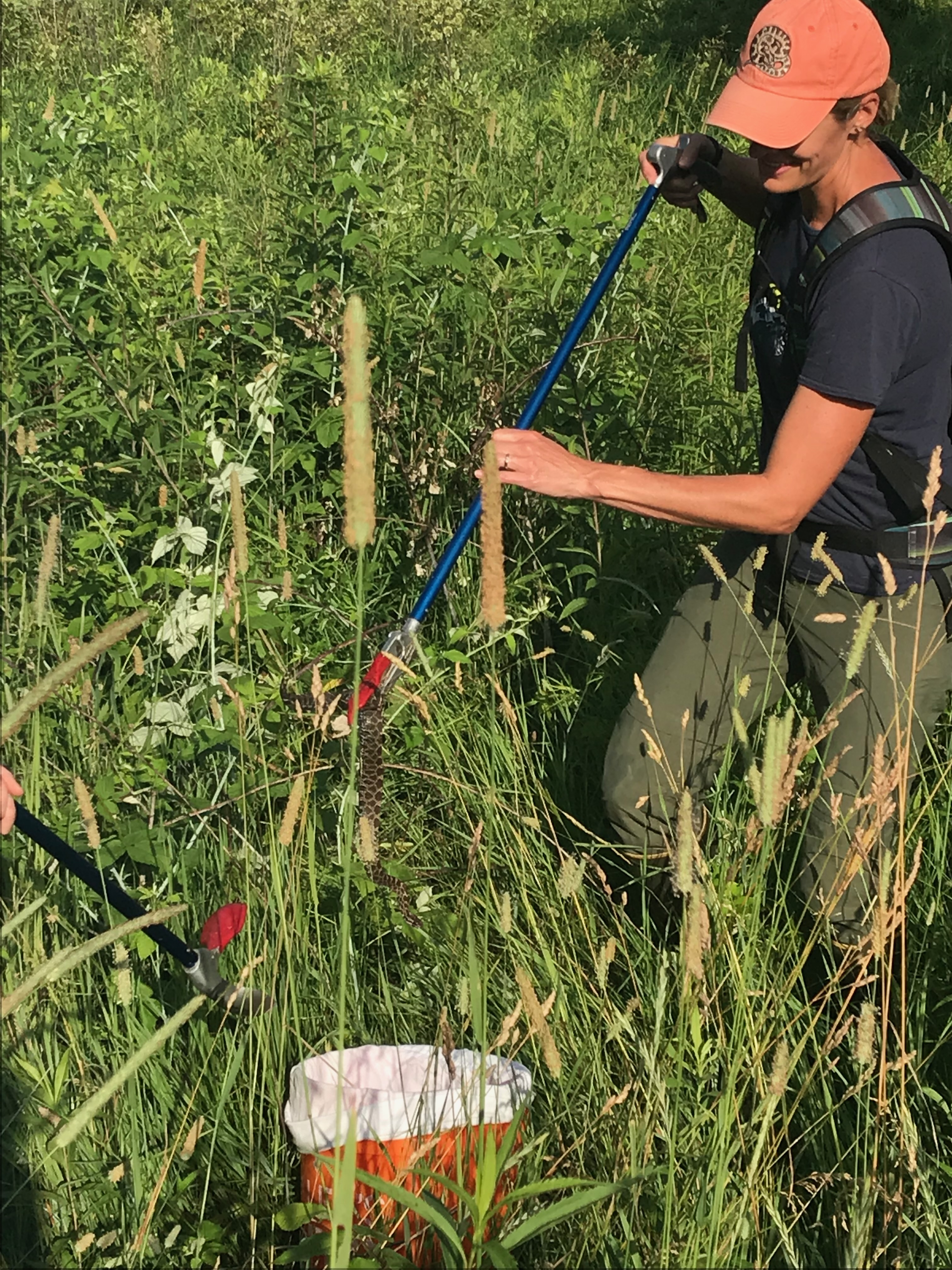
Before being released in nature, each snake has been marked with a pit label, similar to a micropuce that a pet could have. This follow -up means that the team can follow the survival of snakes, depending on whether it has been recaped.
They found that the most consangurated snakes were 13% less likely to have surviving offspring and that their annual survival rate was almost 12% lower than that of less conhire bell snakes. The so high figures even surprised the researchers.
“This long -term surveillance in the field is the backbone of the study,” said Clark. “Getting people out every season to catch these snakes has made it all possible.”
The team hopes that this data shed light on the conservation efforts that could help Eastern Massasaugas to find friends outside their family. Certain small changes, including road sub-bratters or the restoration of housing in wetlands, could promote more connectivity between snakes that would stimulate the genetic pool. Environmentalists could also experiment with the displacement of reptiles to new habitats with more options to find snake companions at appropriate ringtone.

More offers, reviews and purchasing guides


