Micron says it’s ‘helping’ consumers — by not selling RAM to consumers


Micron, one of the “big three” companies that manufacture the vast majority of memory on the planet, is closing its Crucial brand. This is the arm of the company that sells RAM and storage products directly to consumers. Instead, Micron is focused on the “AI” boom… the same situation that is causing the price of memory to explode around the world. Consumers are, to use a technical term, pissed off.
In a recent interview, a Micron vice president tried to downplay the situation, explaining that Micron was still technically providing RAM and other memory products to consumers…by selling them to PC makers.
“Our view is that we’re trying to help consumers around the world,” said Christopher Moore, vice president of Micron’s marketing, mobile and customer business unit, in an interview with Wccftech. “We just do it through different channels. We still have a very strong business in the client and mobile markets.” He continued: “We also, of course, serve our data center customers. »
The idea that Micron hasn’t completely abandoned consumers because it still supplies at least some PC makers was heard at CES last week. Again, this was not convincing, as companies refused to commit to the prices of future products, for fear that the rise in memory prices would wipe out their profit margins before their release.
These data center customers are the reason RAM prices are skyrocketing: the rapid and massive growth of the “AI” sector is swallowing up most of the current and projected chip supply. Put aside the debate over whether LLM-powered businesses are in a bubble. The truth is that old-fashioned supply and demand is still in play, dramatically increasing the prices of finished laptops and desktops and causing the price of DDR5 memory to triple or even quadruple for consumers.
Micron, which now makes hay while the sun shines, is closing its Crucial brand at the end of January. This ends nearly 30 years of selling to consumers for PC building, repair and upgrades.
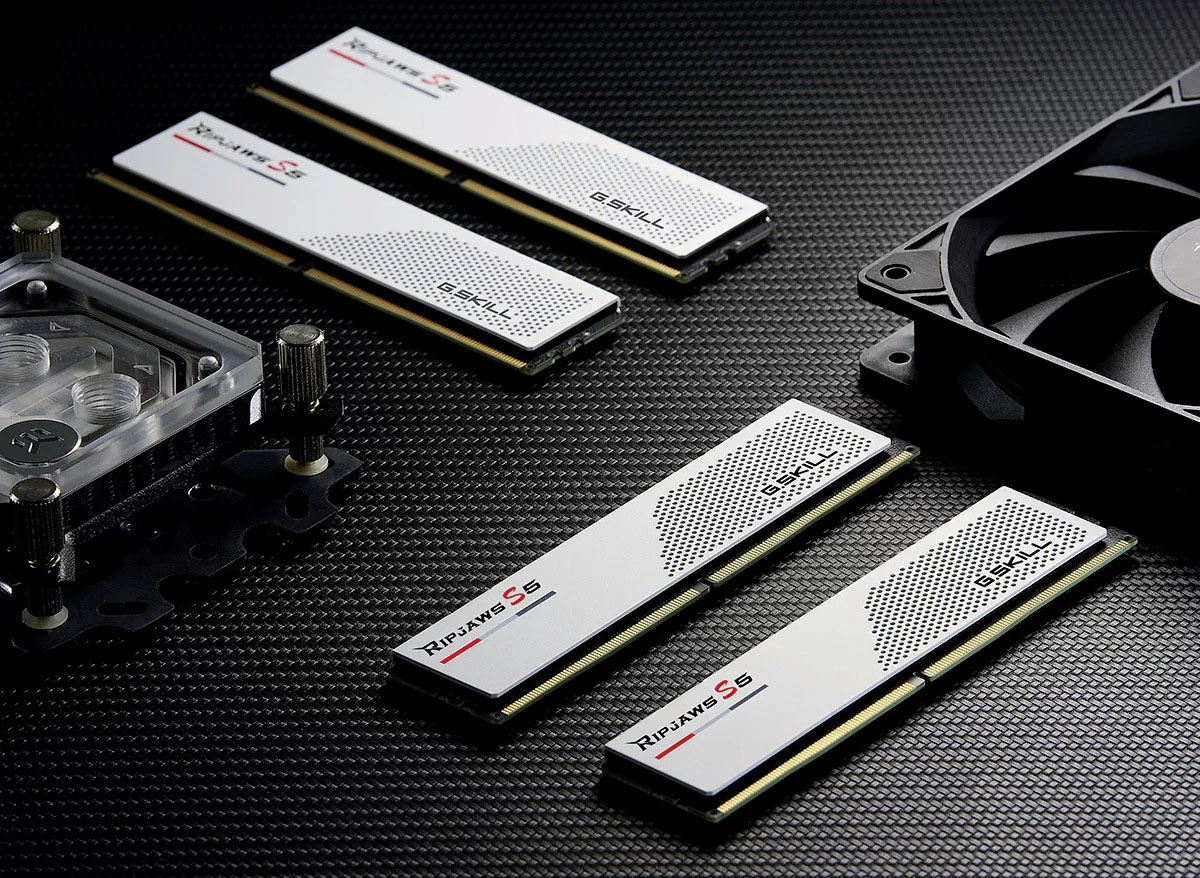
Foundry
“It’s not a Micron problem, it’s an industry problem…and there’s just not enough supply to go around,” Moore told Wccftech. This is an echo of the statement Micron made in its announcement (e.g. it follows the money). That’s certainly true, but I hasten to note that neither of Micron’s competitors – Samsung and SK Hynix – have yet shuttered their direct-to-consumer memory and storage product lines. (That sound you hear is me knocking on the wood of my desk.)
If the first question asked at CES was “What are we going to do to combat memory loss?” “” and the response was a big, disappointing shrug, then the next question was “When is it going to end?” » I’ve heard estimates everywhere, ranging from 2027 to 2032, as today’s growing data centers will continue to suck up chip supply over the next decade.
Moore is a bit more optimistic than that, citing a new Micron manufacturing plant that will be completed in 2027, according to an interview with PCWorld’s Mark Hachman. In just a few days, Micron plans to break ground on a factory in New York that will become the largest semiconductor factory in the United States.
But with 3-4 years of construction and fit-out required for a new (low-end) manufacturing facility, it will still be a very, very long time before increased manufacturing capacity can begin to alleviate the current supply crisis. This of course assumes that the AI macroeconomic bubble does not burst. But if that happens, we’ll all have bigger problems than just trying to afford a gaming PC upgrade.


