Millions pour into Tennessee special election ahead of December vote


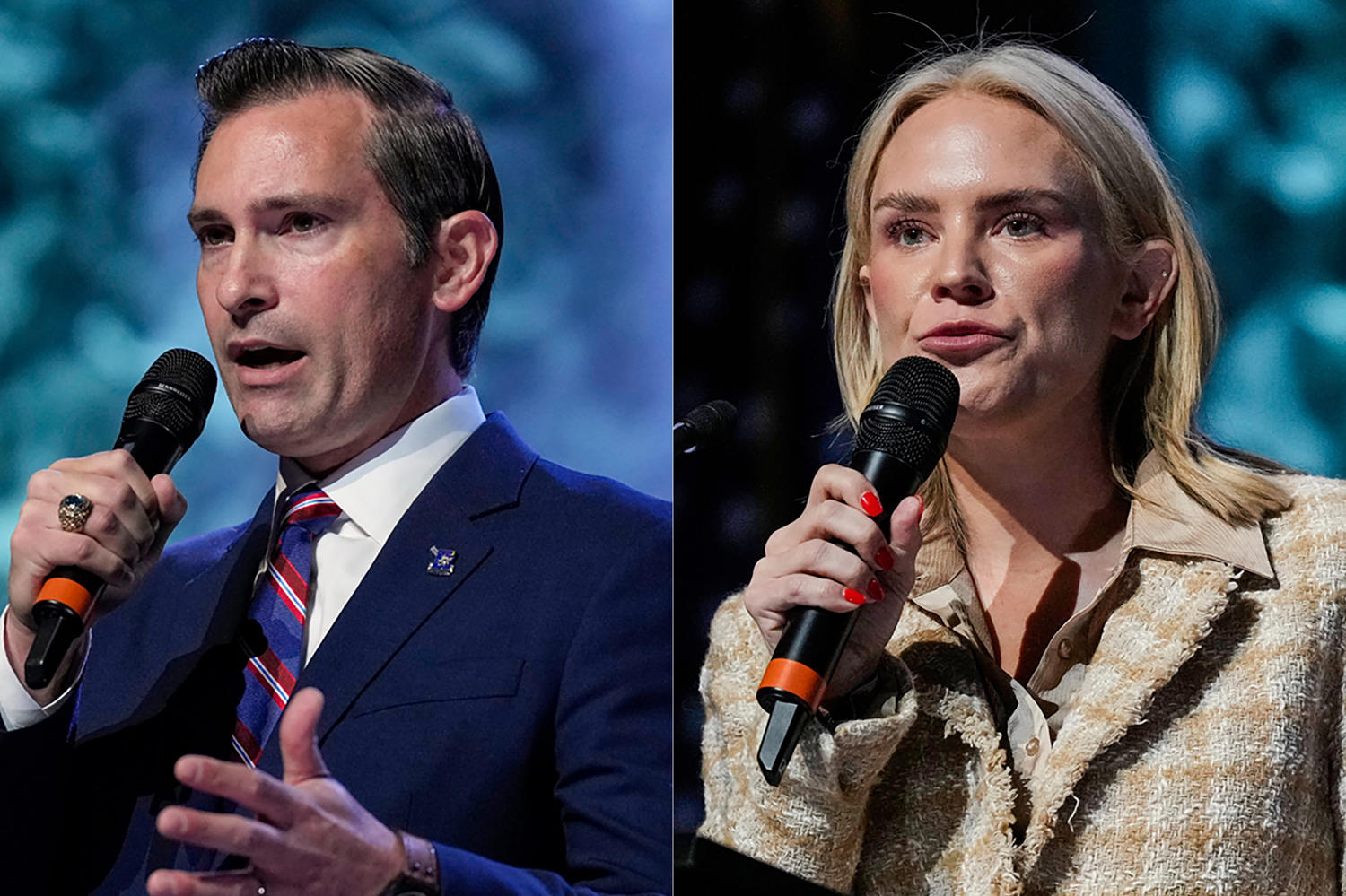
Money is pouring into a deep red district in Tennessee, ahead of a special election in early December, as candidates and their super PAC supporters increase their spending.
Republican Matt Van Epps, a former state official, and Democratic Rep. Aftyn Behn are engaged in a heated ad war that has drawn notable outside groups from both parties to the 7th Congressional District, which President Donald Trump won by 22 points in 2024.
Behn’s campaign raised more than $1 million between Oct. 1 and Nov. 12, according to a campaign finance filing filed Thursday. She spent just over half of that during the same period. Van Epps, meanwhile, raised about $591,000 and spent most of it, leaving him with $231,000 in the bank for the final game. Behn had about $522,000 on hand at the end of the fundraising period.
Behn hopes to mobilize independents and moderate Republicans, as well as his Nashville Democratic base, to take advantage of expected low turnout. She sees a path to victory by framing herself as a responsible candidate who could put a damper on President Donald Trump’s party in the House, particularly criticizing the GOP’s tax cuts and spending bill, as well as Trump’s tariffs. And she is running a decidedly Democratic campaign, relying on Democratic National Committee Chairman Ken Martin and former Vice President Kamala Harris.
But this support from establishment figures gives bread to his opponent.
Van Epps, an Army veteran, has the support of Trump, Gov. Bill Lee and former Rep. Mark Green, who resigned in April from the seat Van Epps is seeking to fill. He’s running on reliably MAGA themes as Republicans try to reignite enthusiasm for the unusually timed election — and ensure that low turnout doesn’t turn into an embarrassing outcome. But he also sought to emphasize other topics on the airwaves, such as falling prices.
The Trump-aligned super PAC MAGA Inc. has already reported more than $1 million in independent spending in the race, the first time it has entered federal competition this year. Other conservative groups, like the Club for Growth and another super PAC that has been primarily funded by GOP megadonors in the past, have also stepped in to support Van Epps.
Behn also benefits from an external boost, although somewhat less than his Republican opponent.
More than $3.3 million was spent opposing Behn or supporting Van Epps, with just over $900,000 in independent spending aimed at bolstering Behn. That includes about $100,000 also boosting independent Jon Thorp, most likely hoping that Thorp, an Army veteran, can get more votes from the Republican nominee than the Democratic nominee.
Republicans also have the advantage on the airwaves. Van Epps’ campaign and its allies have spent about $730,000 on advertising since the primary, according to ad tracking company AdImpact, while Democrats have spent about $500,000.
Super PACs supporting Van Epps are attempting to portray Behn as a radical, comparing her to New York City Mayor-elect Zohran Mamdani and using a clip from a video she recorded describing herself as a “very radical person.” Van Epps’ own campaign ran ads highlighting his service in the military.
Behn fought back with an ad comparing workers’ working conditions to a rough ride on a mechanical bull. She criticized the expiration of Medicare subsidies, tariffs and the Trump administration’s long-standing hesitation to release records related to the investigation of the late financier and convicted sex offender Jeffrey Epstein.


