Misleading claims about birth control abound on TikTok, Instagram : NPR


Charlotte Freed first received a hormonal IUD when she was a teenager. She was not sexually active at the time, but she wanted to be protected against pregnancy before starting college.
It was also a time when she suffered from anxiety, depression and fatigue. But it wasn’t until one of his friends went off her birth control and recommended a book on the subject that Freed began to wonder if the two might be related.
“It was really upsetting and almost a little disturbing that no doctor ever talked about it,” said Freed, now 27.
At that point, Freed had had an IUD for about eight years.
“I’m kind of just [wanted] “I met myself in a way that I hadn’t experienced since I was 16 or 17,” she said. “And, you know, maybe I would experience changes in my mental, emotional and physical well-being that I didn’t even really know were possible.”
Then Freed took out his IUD. Social media is full of stories of women like Freed who have quit smoking or who are questioning hormonal birth control — but not because they want to get pregnant.
Some worry about the effects on their mood and mental health. Others say doctors dismissed their complaints of weight gain, nausea and decreased libido.
But doctors and researchers say misleading and inaccurate claims about birth control — which decades of research has demonstrated is safe and effective — abound on social platforms.
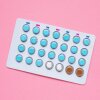
They worry that some women may make key family planning decisions based on these dubious claims, which could lead to unwanted pregnancies and create more confusion around the medications.
Dr. Jennifer Lincoln is trying to combat this misinformation. She’s an OBGYN based in Portland, Oregon, who makes videos debunking common myths circulating online.
Myths like: “Birth control is bad for you. It makes you infertile, it causes cancer, it makes you less attracted to your partner. It causes abortions,” – you name it, someone on social media said it,” Lincoln said.
“And what really makes me sad is that there are so many people who go on TikTok for reasons like — it’s their Google search now.”
A 2024 study analyzed posts about birth control on TikTok and found that nearly half of posts on the topic discouraged women from taking it.
Skepticism drives social media content
Conservative podcast host Alex Clark urges her listeners to reconsider hormonal contraception, which she says is overprescribed, and calls it a Band-Aid that can mask more serious underlying problems, like endometriosis and polycystic ovarian syndrome, which can affect long-term fertility.
“I feel like women haven’t been given true informed consent when it comes to the hormonal birth control pill,” Clark said. “I don’t think they’re told that hormonal birth control isn’t actually going to cure or solve hormonal issues or women’s health issues. It helps suppress the symptoms, but that doesn’t mean it actually cures anything.”
Clark took the pill for nearly 10 years before stopping. She now steers her listeners toward non-hormonal options like condoms and cycle tracking, which tend to have higher failure rates.
“I think if women were told the truth about hormonal birth control in general, they would choose other options,” Clark said. “I think the more women are educated in this area, the more they will say, ‘Yeah, no, I’m fine.’ I think they’ll just choose something else.”
Dr. Jennifer Lincoln believes her colleagues should do more to explain the facts about birth control. She said social media fills a void that is created when doctors rush their patients through appointments or ignore concerns about symptoms.
“The medical field is a big part of why people are turning to these forums and Reddit and Tik-Tok for information and really buying it because…we’ve failed them,” Lincoln said. “Either we brushed aside their concerns – I mean, we could spend all day talking about how so many women’s issues aren’t adequately funded or addressed – but we know that often, they can be met with, ‘It’s not a real side effect.’ We have a huge role to play in this.”
Freed said she didn’t feel like she had all the information she needed to make an informed decision about her birth control as a teenager. Her high school health class, she said, dedicated a day to “sex ed,” and she was sick that day and missed class. And her doctors had no answers to her questions about whether her IUD could affect her mood.
“When we ask about side effects, we simply say, ‘You know, your period may disappear. And it’s possible that you have ovarian cysts” – those kinds of things that are easier to track,” she said. “It’s not malicious, but it’s simply related to the fact that women are the subject of little research in the health field.”
Dr. Wanda Ronner is a professor of clinical obstetrics and gynecology at the Perelman School of Medicine at the University of Pennsylvania. She said the medical field has become more “corporatized,” making it harder for doctors to provide patients with the information they need.
“You get your 10 minutes and that’s it,” Ronner said. “And, you know, the explanations in the background maybe come from the doctor’s nurse. If you have a good nurse, they will spend time with the patient explaining things, calling them or even doing it through the portal. I think it’s a very frustrating landscape for young people because they have so much information. [available to them on the internet]. And who do you listen to? You know, who are you going to? »
A “lose-lose” situation for women
When Charlotte Freed got her IUD removed, she noticed an improvement in her mood — she had more energy, she felt more connected to her body, and she became more familiar with her cycle — although she said she’ll never really know if it was “correlation or causation.” She said stopping birth control gave her more information about her body on a “base level.”
But then Freed was going abroad for higher education and she couldn’t risk getting pregnant in a foreign country. She considered getting a copper IUD – which does not contain hormones – but was worried about the physical side effects it could cause.
“The thing that sucks about being a woman is that either the tradeoff is, you know, the possibility of having a child when you don’t want to, the possibility of having similar hormones ruin your personality or, you know, cause increasing anxiety, depression, fatigue, whatever, or having horrible cramps and bleeding for 12 days straight,” she said. “So it really feels like it’s a lose-lose situation.”
Eventually, Freed had a new hormonal IUD inserted. But she plans to take another break.


