Stephen A Smith stunned as Kiley explains CA voter ID law, SAVE Act


NEWYou can now listen to Fox News articles!
Rep. Kevin Kiley explained California voter ID during an appearance Thursday on SiriusXM’s “Straight Shooter with Stephen A,” prompting a stunned response from host Stephen A. Smith as the conversation turned to election integrity and federal reform.
“California doesn’t have voter ID,” Kiley said. “You don’t need to show it to register. You don’t need to show it to vote.”
“What!? This is why the SAVE Act was proposed right here…in the state of California,” a shocked Smith said.
The exchange took place as the House of Representatives had already passed the Safeguard American Voter Eligibility (SAVE) Act, which would require proof of citizenship to vote in federal elections, with a path forward in the Senate.
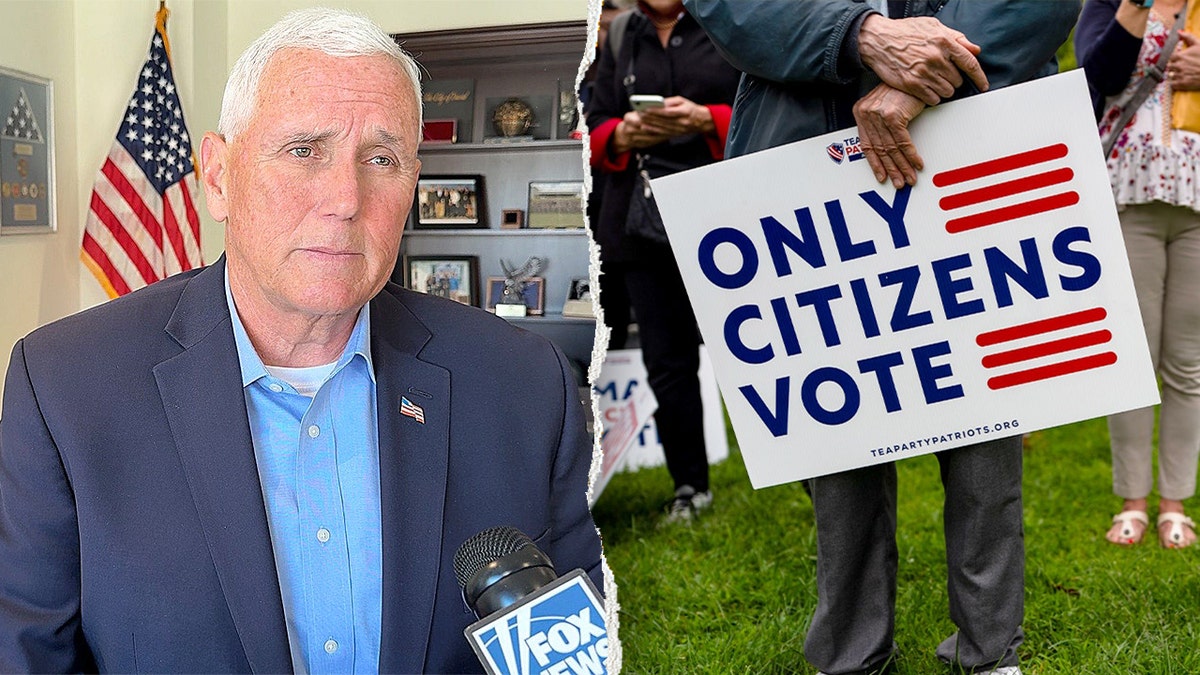
Former Vice President Mike Pence, pictured during an interview with Fox News Digital on March 18, 2026 in Washington DC, is a strong supporter of the SAVE Act, a federal bill that would require strict voter ID and proof of citizenship requirements across the country. (Fox News/Paul Steinhauser; Kent Nishimura/Getty Images)
Trump calls mail-in voting corrupt as Senate begins debate on safeguard law requiring voter ID
Kiley argued that California laws prevent local governments from setting their own requirements, saying it is “prohibited” within the state.
“The state passed a law banning voter ID,” Kiley said, adding that localities, cities and counties are not allowed to adopt their own standards. Smith admitted he was unaware of this policy.
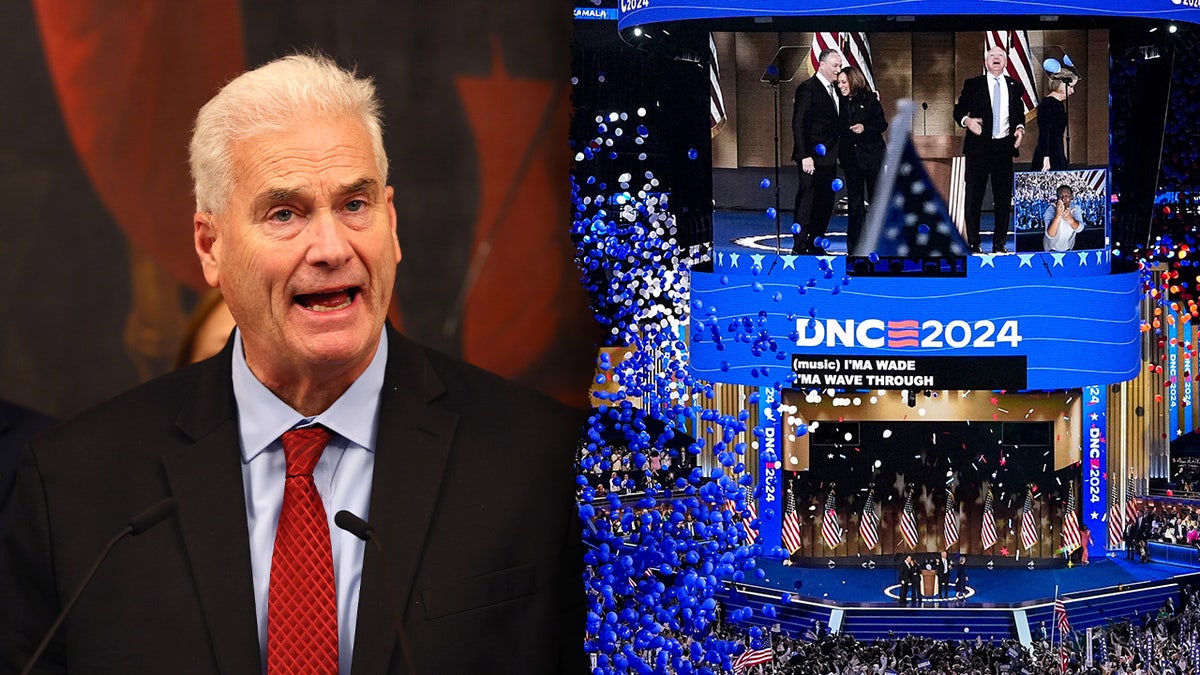
House Majority Whip Tom Emmer accused Democrats of hypocrisy for requiring photo IDs for the DNC but failing to support the SAVE America Act. (Getty Images)
GOP GOVERNORS, AGS BACK TRUMP SAVE ACT PUSH, WARNING SYSTEM GIVES “INDUCED INFLUENCE” TO STATES WITH ILLEGAL ALIENS
“I thought every state just showed an ID…I didn’t know that,” Smith said, calling the situation surprising.
Kiley has touted voter ID as the global standard, saying America is one of the few democracies that has not passed proof of citizenship legislation.
“There are maybe two or three democracies in the world that don’t have it,” Kiley noted. “It’s just kind of a standard administrative requirement in a well-functioning democracy.”
Smith acknowledged that Republicans will likely use the California approach as a central argument to promote federal election reforms.
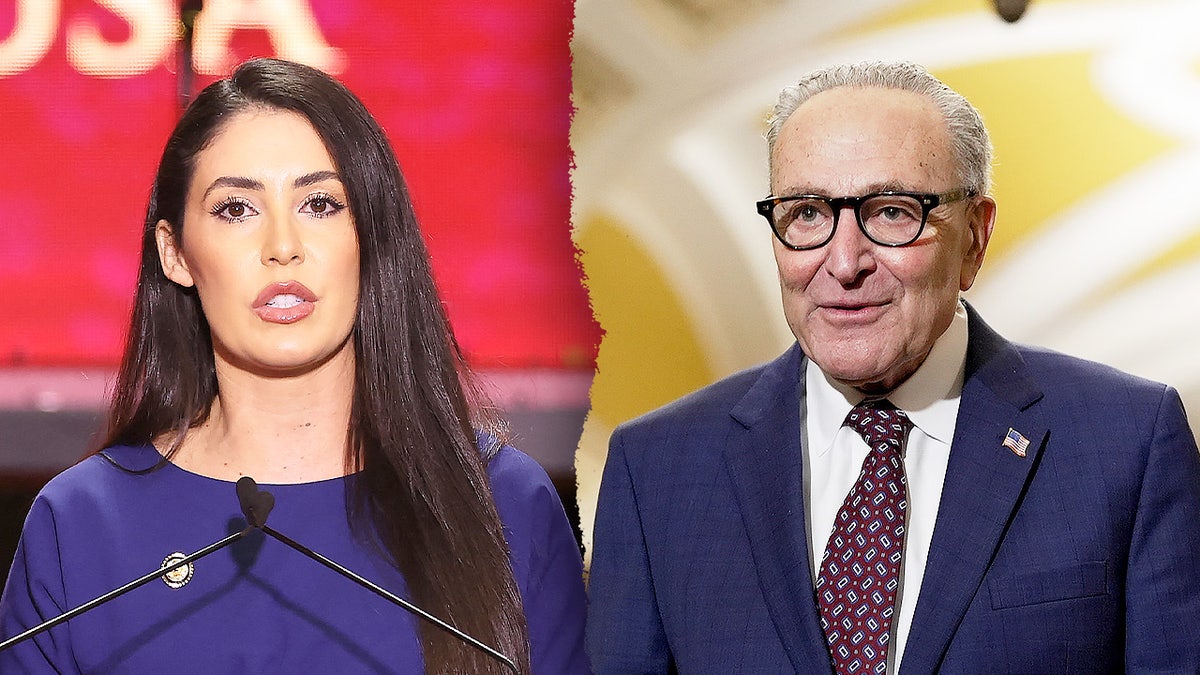
Rep. Anna Paulina Luna is leading a campaign to tie the SAVE Act to any government spending deal Senate Minority Leader Chuck Schumer makes in the upper chamber. (Patrick T. Fallon/AFP via Getty Images; Al Drago/Bloomberg via Getty Images)
WATCH: DEM SENATORS INTRODUCE THE VERY BILL THEY ARE ATTEMPTING TO KILL
“That’s what the Republicans say [are] I’m going to use that as an excuse to definitely push the Save Act here and there. I can’t believe it,” Smith said.
The conversation expanded beyond the election, with Kiley discussing the high cost of living and gas prices in California, arguing that high costs within the Golden State are driven more by state politics than world events.
“We currently have $5.56 per gallon in California…almost $2 more than the national average,” he said. “Our regulations are impossible to comply with.”
Kiley also pointed to broader economic pressures, highlighting housing, energy and taxation.
CLICK HERE FOR MORE MEDIA AND CULTURE COVERAGE
“We have the highest housing prices…the highest electricity rates…the highest taxes,” he said. “That’s why we have the highest poverty in California when you factor in the cost of living.”
Kiley became an independent after California’s new Proposition 50 congressional maps the state in November 2024, which includes much of its home base in suburban Sacramento.
CLICK HERE TO DOWNLOAD THE FOX NEWS APP