
Plug-in hybrids have become increasingly popular as buyers look for a middle ground between traditional gas cars and fully electric vehicles. However, many PHEVs still come with some major compromises, whether it be high pricing, disappointing electric range, or mediocre efficiency once the battery runs low. The Toyota Prius Plug-In Hybrid continues to avoid those pitfalls, offering one of the most complete packages in the segment for 2026.
Not only is Toyota’s electrified hatchback still the most affordable plug-in hybrid on the market, but it also remains one of the most efficient. It delivers enough all-electric range for most daily commutes while still returning exceptional fuel economy on longer drives. Beyond that, the latest Prius feels far more refined and enjoyable than older versions ever did, with sharper styling, a more premium cabin, and surprisingly strong performance for such a thrifty car.
While rivals continue to flood into the PHEV market, the Prius still feels like the benchmark for value. It combines low running costs, impressive technology, and everyday usability in a package that undercuts just about every competitor on price.
In order to give you the most up-to-date and accurate information possible, the data used to compile this article was sourced from various manufacturer websites, including the EPA.
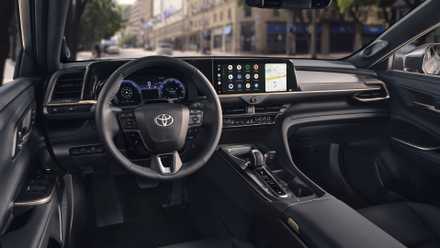
Forget Lexus—this Toyota sedan feels far more upscale
This Toyota sedan feels so upscale, you’ll wonder why anyone still pays extra for a Lexus.
The 2026 Toyota Prius PHEV continues to outpace its rivals
More efficient and more affordable than any competitor
The Prius nameplate has long been associated with fuel savings, with the general perception being that those savings often come at the cost of fun and features. However, as the nameplate has evolved, it has become a more well-rounded offering. In 2026, the Prius Plug-In Hybrid remains one of the most affordable and efficient options on the market, and is better than you’d expect in just about every other metric.
2026 Toyota Prius PHEV trims and pricing
|
Model |
Starting MSRP |
|---|---|
|
SE |
$33,775 |
|
XSE |
$37,025 |
|
Nightshade |
$37,795 |
|
XSE Premium |
$40,470 |
Starting at well under $35,000, the Prius is the most affordable new plug-in hybrid that you can buy in 2026. This is a mantle that it has carried for some time. A bevy of new plug-in hybrid competitors have flooded onto the market in the last couple of years, and while they are all good in their own ways, there still aren’t any rivals that manage to match the affordable pricing of Toyota’s electrified hatchback.
We don’t think that you have to climb the trim ladder all that far to find the best value, either, with the XSE offering a great balance of features and affordability. Alongside the bevy of standard features on offer, this trim comes with faux-leather upholstery, a wireless charging pad, keyless entry, a power-operated hatch, and heated front seats. If blacked-out aesthetics are your thing, the Nightshade offers all the same features with some sleeker visual elements as well.
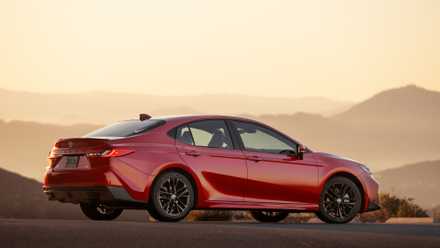
The hybrid sedan buyers keep choosing over SUVs
SUVs were supposed to kill the midsize sedan, but one hybrid just keeps getting more popular instead.
The plug-in hybrid Prius offers excellent range and effiiency
It’s also more fun than you’d think

The Prius has always been an industry leader in the realms of efficiency, and the newest model is no exception. The plug-in hybrid variant also comes with some very useable all-electric range which helps you save even more money in the long run. Traditionally, this exceptional efficiency came at the cost of any kind of fun behind the wheel, but over the years that has definitely changed.
2027 Toyota Prius PHEV performance
|
Engine |
2.0-liter four-cylinder |
|---|---|
|
Transmission |
CVT |
|
Horsepower |
220 HP |
|
Toruqe |
255 LB-FT |
|
Driveline |
FWD |
|
0-60 MPH |
6.7 seconds |
Every Prius comes equipped with a 160-horsepower four-cylinder engine under the hood. This engine pairs with two electric motors for a combined output of 220 horses. That’s more than just about any other mainstream compact car on the market. Power is sent through planetary gears that resemble a CVT exclusively to the front wheels.
The driving experience from behind the wheel of the Prius PHEV is actually surprisingly engaging when you want it to be. It has enough power to get it up to 60 miles per hour from a standstill in under seven seconds, and it feels quite refined and nimble along twisty back roads. Slow it down, and you’ll find that the Prius is equally plush, with a great ride quality meaning it is capable of absorbing most imperfections in the road with ease.
Efficiency, range, and charging
|
Model |
Combined MPG |
Combined MPGe |
Electric range |
|---|---|---|---|
|
Prius SE |
52 |
127 |
45 miles |
|
Prius XSE/Premium |
48 |
114 |
40 miles |
Toyota provides every Prius PHEV with an 11-kWh battery pack, which means that the little hatch is capable of going between 40 and 45 miles on electric power alone, depending on which trim you opt for. According to Toyota, it takes about four hours to replenish the battery when hooked up to a regular 240-volt outlet. On the highest trim, you also get solar panels mounted on the roof which send a bit of power to the batteries when parked.

Why car companies are charging you a monthly fee for features you already own
How Silicon Valley’s business model invaded your driveway
As well looking great on the outside, the Prius is surprisingly premium on the inside
And fairly practical for a compact car
Another downside of the Prius when it first hit the market, and for some time after that, was that it felt exceptionally cheap on the inside. The current generation of the hatchback has come a long way in that regard. While it does without any flashy gimmicks, the plug-in hybrid offers a comfortable cabin that is loaded with features from the word go.
Interior dimensions and comfort
|
Front row headroom |
38 inches |
|---|---|
|
Front row legroom |
42.4 inches |
|
Second row headroom |
36.4 inches |
|
Second row legroom |
35.9 inches |
|
Cargo capacity |
20.3 cubic feet |
In terms of interior space, the Prius offers about exactly what you’d expect from a compact car. Those up front will have more than enough room, while those relegated to the back seats are going to feel a little squished. Cargo space is equally average. While not class leading in terms of interior space, there is an acceptable amount of room on offer for a car in this class.
Toyota keeps things fairly simple in the Prius, as they tend to do in most of their vehicles. The focus is on ease of use rather than luxury. We like the general layout of the hatchback, though, and it comes with plenty of comfort features standard. Top trims are loaded with impressive upscale features as well, including things like power adjustable seats with a memory function, heated front seats, and a fixed glass roof.
Infotainment and technology
An eight-inch infotainment screen is standard in the plug-in hybrid Prius, with a 12.3-inch unit being optional in the XSE and standard in the XSE Premium. Every model comes equipped with a digital gauge cluster which sits on top of the dashboard. The gauge cluster is in a bit of an odd position, though, and can sometimes be hard to see.
Wireless Apple CarPlay and Android Auto are standard on every model. You also get a number of USB-C ports throughout the cabin, and XSE and higher trims come equipped with a wireless smartphone charging pad. Unfortunately, the standard sound system here is pretty mediocre, and the optional eight-speaker JBL isn’t all that impressive either.
Other PHEVs still have a way to go to catch up to the Prius
Plug-in hybrids offer the best of both worlds, with a gas engine and some all-electric range. However, the amount of range on offer is usually pretty underwhelming and efficiency isn’t that great once the batteries have been depleted. However, the Prius PHEV subverts these usual expectations with plenty of range and the best fuel economy figures out there. It does all this while still undercutting every other plug-in hybrid on the market. For buyers looking to cut down on their fuel bill, there is still no better choice.


