Ozempic Could Reduce Cocaine Addiction


The drug semaglutide – licensed for ozempic diabetes and weight loss under Wegovy – could help reduce cocaine dependence.
Scientists from the University of Gothenburg in Sweden and the University of Pennsylvania have discovered that he considerably reduces cocaine research behavior in rats.
Although more research is necessary to confirm their results in humans, their new study suggests that semaglutide is a candidate to develop as treatment of cocaine dependence, according to the team.
Currently, there is no effective pharmacological treatment for cocaine dependence.
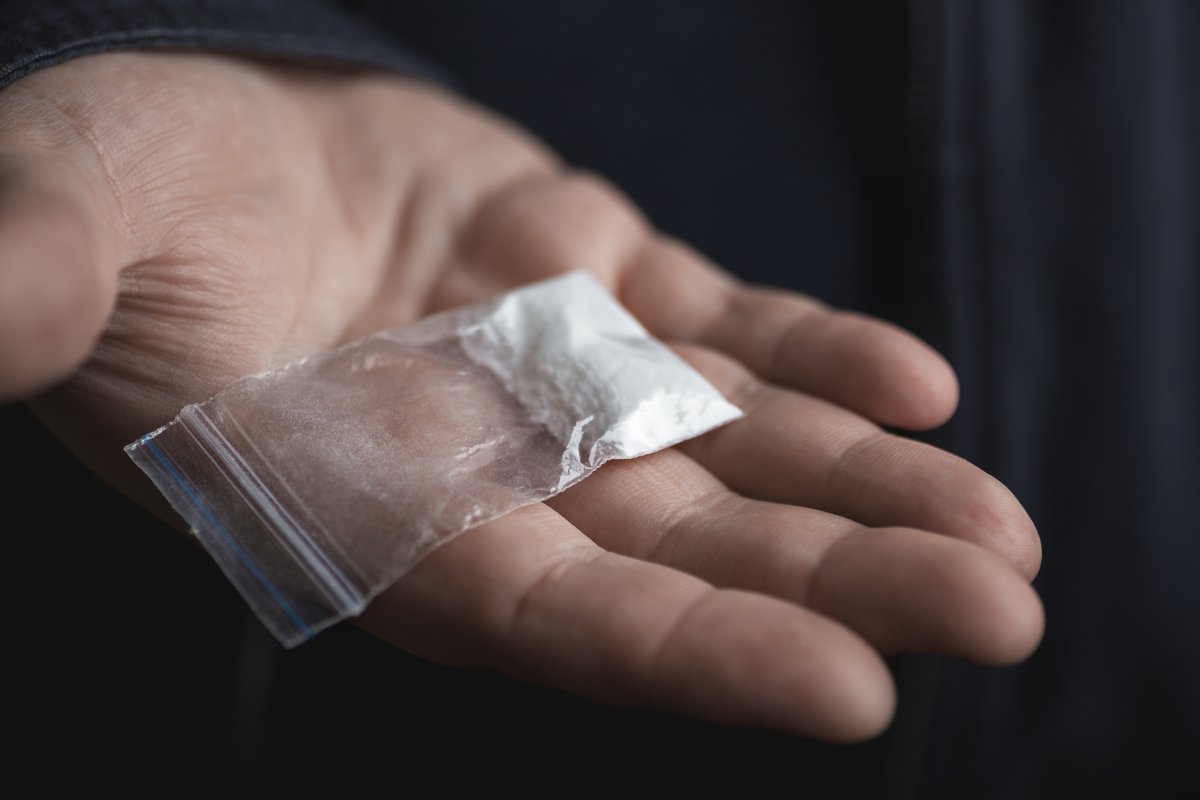
Images DEDMITYAY / GETTY
The semaglutide belongs to a class of drugs called agonists of GLP-1 receptors (GLP-1RA), which, having revolutionized the treatment of obesity, are now promising for other conditions and health problems.
“While previous studies have shown that GLP-1 like Ex4 / Exénatide reduce cocaine responses, the effect in humans using cocaine was limited, potentially due to low-dose administration and the treatment calendar”, the teacher of pharmacology and the teacher of pharmacology Elisabet Jerlhag Tell Nowsweek.
This, she explained, suggests that GLP-1 with greater power and / or longer action could be more beneficial as treatment for cocaine consumption disorder. The semaglutide, for example, is with long action duration with a higher power and affinity than the others in its class.
“The semaglutide has shown greater efficiency in the treatment of type 2 diabetes and obesity, producing greater weight loss and a reduction in glucose than other GLP-1-1,” said Jerlhag.
“The superiority of the semaglutide is also supported by studies on alcohol consumption and alcohol consumption disorders (AUD). More specifically, it deeply reduces alcohol in animals and patients with AUD, while the ex4 / exenatide only produces minor effects in rats and shows no effect in humans with Aud.
“However, it remains to be explored if the beneficial effects of the semaglutide extend to more complex behaviors linked to cocaine, such as the taking of voluntary cocaine, the motivation to consume cocaine and the reintegration of the search for cocaine, which is the purpose of this study.”
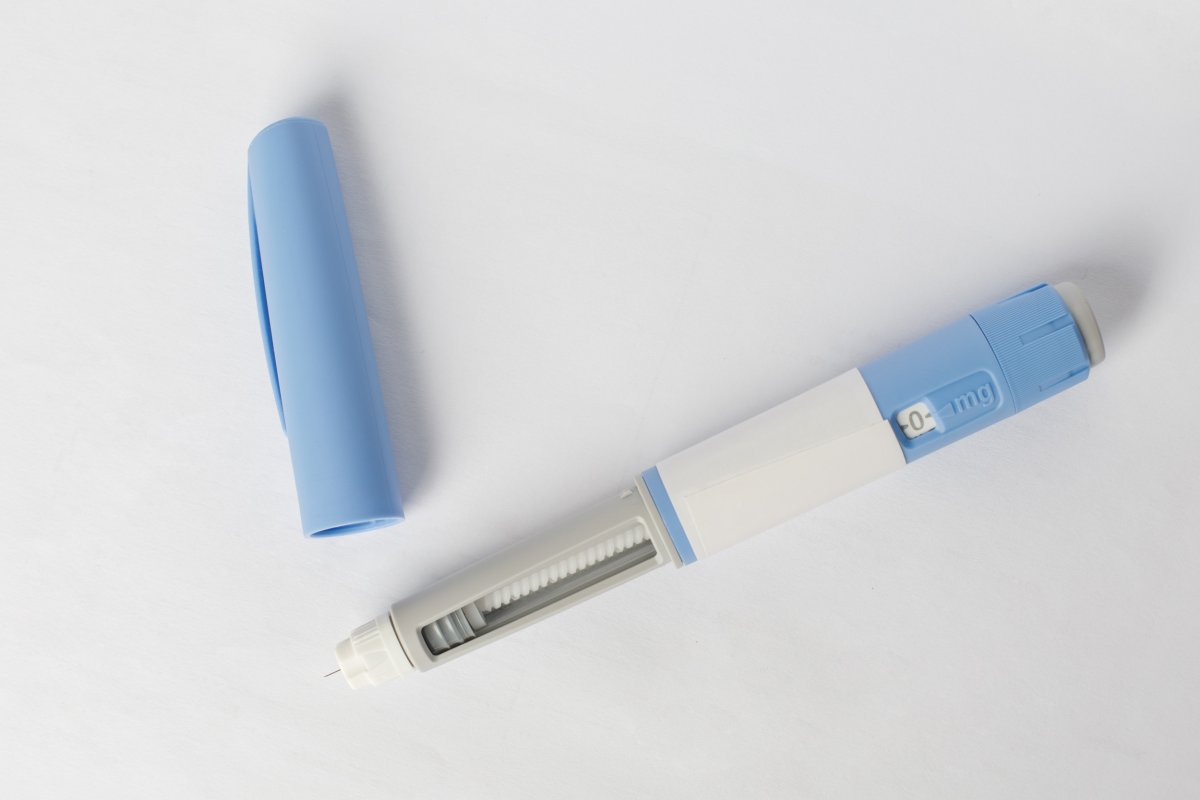
Artmim / Getty images
In the study, the researchers gave male rats access to cocaine directly injected, which they could dispense by pressing a lever in a cage. Then, an experimental group of 10 of these animals was treated with semaglutide before having access to the cocaine distributor.
They found that compared to witness animals, the self-administering cocaine had dropped by 26% in animals that had received semaglutide.
Jerlhag said the results with cocaine seem to reflect the previous results on alcohol consumption. “This is the first try showing the potential of the semaglutide as a drug for cocaine dependence,” she added.
Also explaining if negative points could result from the treatment of drug dependence with another medication, Jerlhag said: “The semaglutide is not an addictive medication, it is a drug. It is therefore not the same thing as the treatment of opioids with methadone or similar.”
Above all, the team also found that after a period of abstinence, there was a 62% drop in cocaine search in animals that had taken semaglutide and their motivation (reflected in the amount of work they have undertaken to reach the medication) lowered by 52%.
Jerlhag said they observed that semaglutide reduced the effects of cocaine after the first injection, although long -term effects have not yet been studied. Using low doses, they have also seen no side effects in the context of the study.
“It is an animal work, so for the moment, we cannot say that we have a viable treatment for dependence on human cocaine. We need a more important study to confirm these results, then we must see if the results also apply to humans,” said Jerlhag.
However, it concluded: “The results are very promising, emphasizing the need for human studies, especially since there are no existing pharmacological treatments for cocaine dependence.”
Do you have advice on a health history that Nowsweek Should be covering? Do you have a question about GLP-1? Let us know via health@newsweek.com.
Reference
Aranäs, C., Caffrey, A., Edvardsson, CE, Schmidt, HD and Jerlhag, E. (2025). The semaglutide removes the taking of cocaine, research and dopamine levels evoked by cocaine in the accumbens nucleus. European neuropsychopharmacology,, 98. https://doi.org/10.1016/j.euroneuro.2025.07.001


