U.S. oil tops $100 as Iran war shows no sign of ending soon


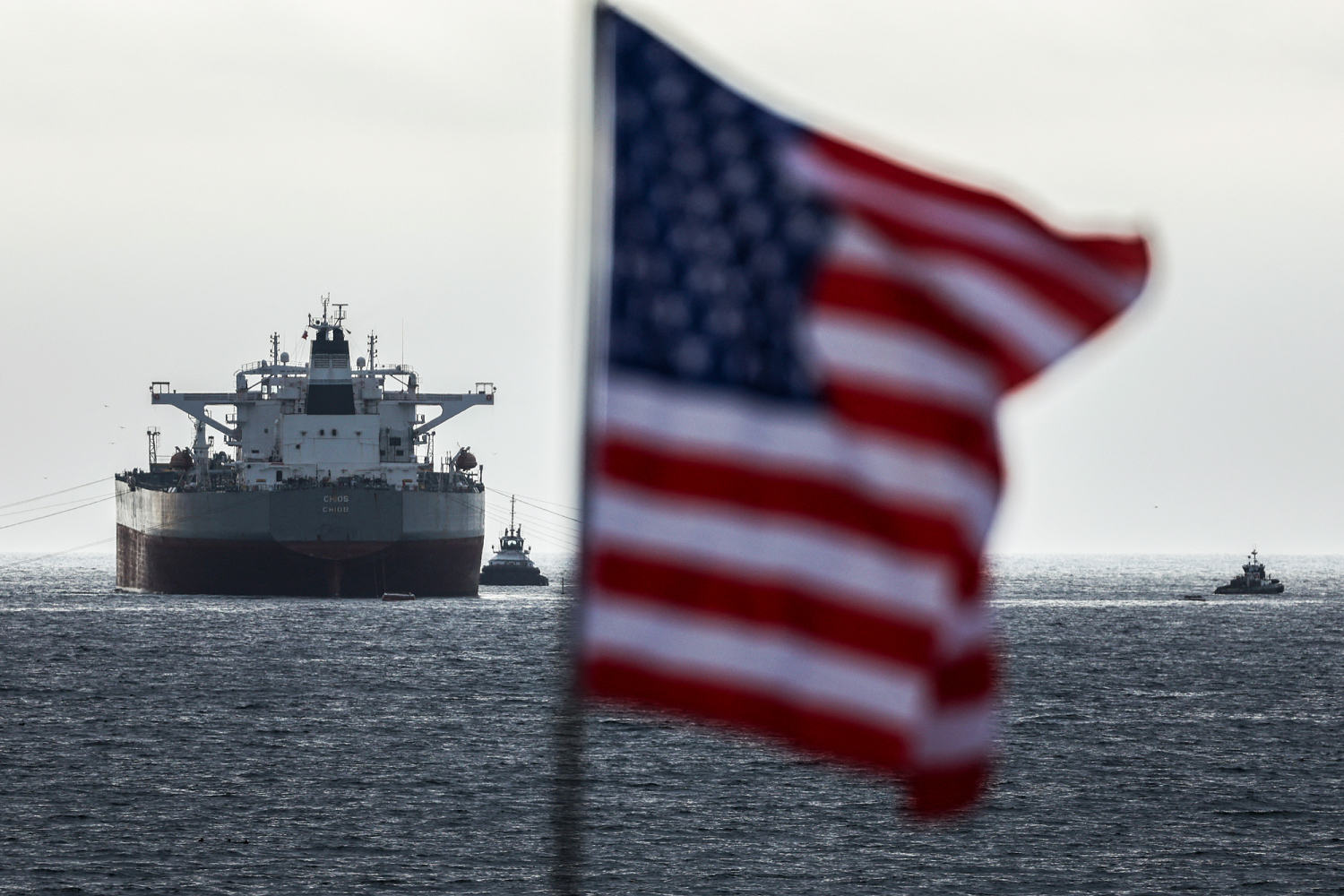
U.S. crude oil hit $100 a barrel on Sunday, continuing its rise as the U.S.-Israeli war with Iran shows no signs of ending soon and despite attempts by the Trump administration and allied countries to slow rising prices.
As oil futures trading resumed at 6 p.m. ET, U.S. crude jumped more than 2% to around $102 per barrel. The international oil benchmark, Brent, also jumped to $106 per barrel.
On Wednesday, the 32 countries that make up the International Energy Agency unanimously agreed to collectively release 400 million barrels of oil in the largest emergency release ever.
Lawmakers, investors and consumers all hoped the move would lower prices and reassure markets. Oil prices temporarily fell below $80 per barrel after the announcement, before resuming their steady upward march.
Since the start of the war, American oil prices have increased by almost 50%. Since the start of the year, the cost of American crude has increased by almost 75%.
Retail gasoline prices have also climbed. As of Sunday, the national average price for a gallon of unleaded gasoline was about $3.70, up about 70 cents since the United States and Israel launched large-scale strikes against targets in Iran.
Retaliatory Iranian attacks across the region on ships, infrastructure and ports through which oil tankers transit have only deepened fears that the war could turn into a protracted regional conflict.
Meanwhile, the Strait of Hormuz – through which more than 20% of the world’s oil supplies must pass to reach global markets – will remain closed for the foreseeable future.
The United States stepped up its military pressure on Iran on Friday, striking Kharg Island, a crucial outpost in the Persian Gulf from where Iran exports about 90% of its oil.
Trump said the strikes did not affect the island’s oil infrastructure. He told NBC News in a telephone interview Saturday: “We could hit [Kharg Island] a few more times, just for fun.
He also said he was not yet ready to negotiate a ceasefire with Iran.
Trump said in the interview that he was asking “many countries affected by Iran’s brutality” to help secure the strait.
The White House has been dangling the prospect of naval escorts to protect tankers for more than a week, without yet providing details.
“We’ve never seen the most important waterway for energy effectively closed,” Helima Croft, chief commodities strategist at RBC Capital Markets, told NBC News last week.
“The only way to alleviate this crisis is to find a way to reopen the Strait of Hormuz and give shipping companies confidence that their tankers will not be attacked,” Croft said.
On NBC’s “Meet the Press” earlier Sunday, Energy Secretary Chris Wright said it could still be several weeks before military escorts are possible.
Wright was asked if the Strait of Hormuz was currently safe for ships. “No, no, it’s not,” he said. Ensuring the safe passage of ships is “one of the objectives at the end of this conflict,” he said.
Until the war with Iran ends, Wright said, “we’re going to see rising prices.”
Some analysts say the $100 mark, broken Sunday night by West Texas Intermediate crude, could be oil’s first step on the path to even higher prices.
“Oil’s psychological $100 level may well be just a short-term price target en route to higher levels as the conflict drags on, oil production is slowed as oil storages fill because tankers can’t load,” longtime industry expert Andy Lipow said last week.


