Radioactive Shrimp Recalled — Radiation Levels Are Low, but Caution Is Still Advised


Product reminders are nothing new. Most occur due to bacterial contamination such as salmonella, foreign objects accidentally entering the production line, even poorly labeled ingredients. But the last case drew the attention of the Food and Drug Administration of the United States (FDA) for a much less common reason: radiation.
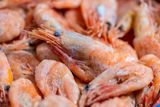
An expedition of frozen shrimp imported from Indonesia was arrested at American customs after the tests revealed high levels of cesium-137 (CS-137), a radioactive isotope. The FDA has since recalled some prizes of the same supplier, which means that certain packages already purchased can be assigned.
The incident has raised questions about how such contamination occurs, what it means for our health and what consumers should do afterwards.
Contamination of radiation in food
CS-137 is a under-product of human origin of nuclear fission, the process which feeds reactors and nuclear weapons. It does not occur naturally, but due to decades of nuclear tests and accidents, traces of CS-137 are distributed around the world. This means that it can appear in the ground, air, water and sometimes food.
Inside the body, CS-137 behaves a lot like potassium. It spreads in soft fabrics, where it emits gamma and beta radiation. In sufficiently high doses, this radiation can damage DNA, increasing the risk of mutations and, ultimately, cancer. Extreme exposures (such as those observed after major nuclear accidents) can even cause acute radiation disease, with symptoms such as nausea, bleeding and, in serious cases, death.
According to the register of substances and diseases of the agency for toxic substances, the half-life of CS-137, which is the time it takes for half of the equipment to be broken down is around 30 years. This is why CS-137 past events is still detectable today. Although most foods contain levels so low that they have no risk, the shrimp contaminated above the expected thresholds have triggered the intervention of the FDA.
Learn more: What are the different types of food poisoning and how can you avoid them?
How radioactive shrimps compare to other foods
The FDA reports that the detained shipment contained approximately 68 Becquerels per kilogram (Bq / kg) of CS-137. For the context, the FDA security cut, called derived intervention level, is 1200 Bq / kg, almost 20 times higher. In other words, the shrimps were not dangerously radioactive, but the concentration was unusual enough to raise a red flag.
Based on the American Nuclear Society, a banana, thanks to its natural potassium-40, gives off a similar level of radioactivity per kilogram. In fact, you will have to eat around 100 bananas to match the daily background influence that we all receive in the United States.
The main difference, however, is that the radiation of bananas comes from potassium-40, a natural isotope, while the CS-137 is entirely artificial. And the level detected in these shrimps was approximately 100 times higher than what is generally in the Pacific seafood, where low traces of cesium still persist in historical nuclear tests.
At 68 Bq / kg, shrimps would not pose any acute health risk in the event of consumption. But regulators prefer to minimize unnecessary exposure, especially for artificial isotopes, because even low levels, if they were ingested several times over long periods, could increase the risk of cancer.
What should consumers do?
So far, the FDA has only detected the CS-137 only in a single shipment of frozen shrimp from an Indonesian supplier, and none of it has entered American grocery stores. Customs and border protection reported the lot before distribution, and imported seafood monitoring.
If you recently bought imported shrimp, there is no cause of panic. The FDA advises to check the lot numbers if you are concerned. The batch products recalled must be thrown and not consumed.
If you suspect that you may have eaten shrimp from an impacted lot and worry about the exhibition, the FDA recommends consulting your health care provider. Fortunately, the radiation levels were low, shipping has been stopped and continuous surveillance ensures that contaminated seafood remain outside your kitchen.
This article does not offer medical advice and should be used for information purposes only.
Learn more: How to avoid the disease transmitted by food
Article Sources
Our Discovermagazine.com writers use studies evaluated by high -quality peers and sources for our articles, and our publishers examine scientific precision and editorial standards. Review the sources used below for this article: