Rare form of leprosy infected people in Americas before European arrival, 4,000-year-old bones suggest


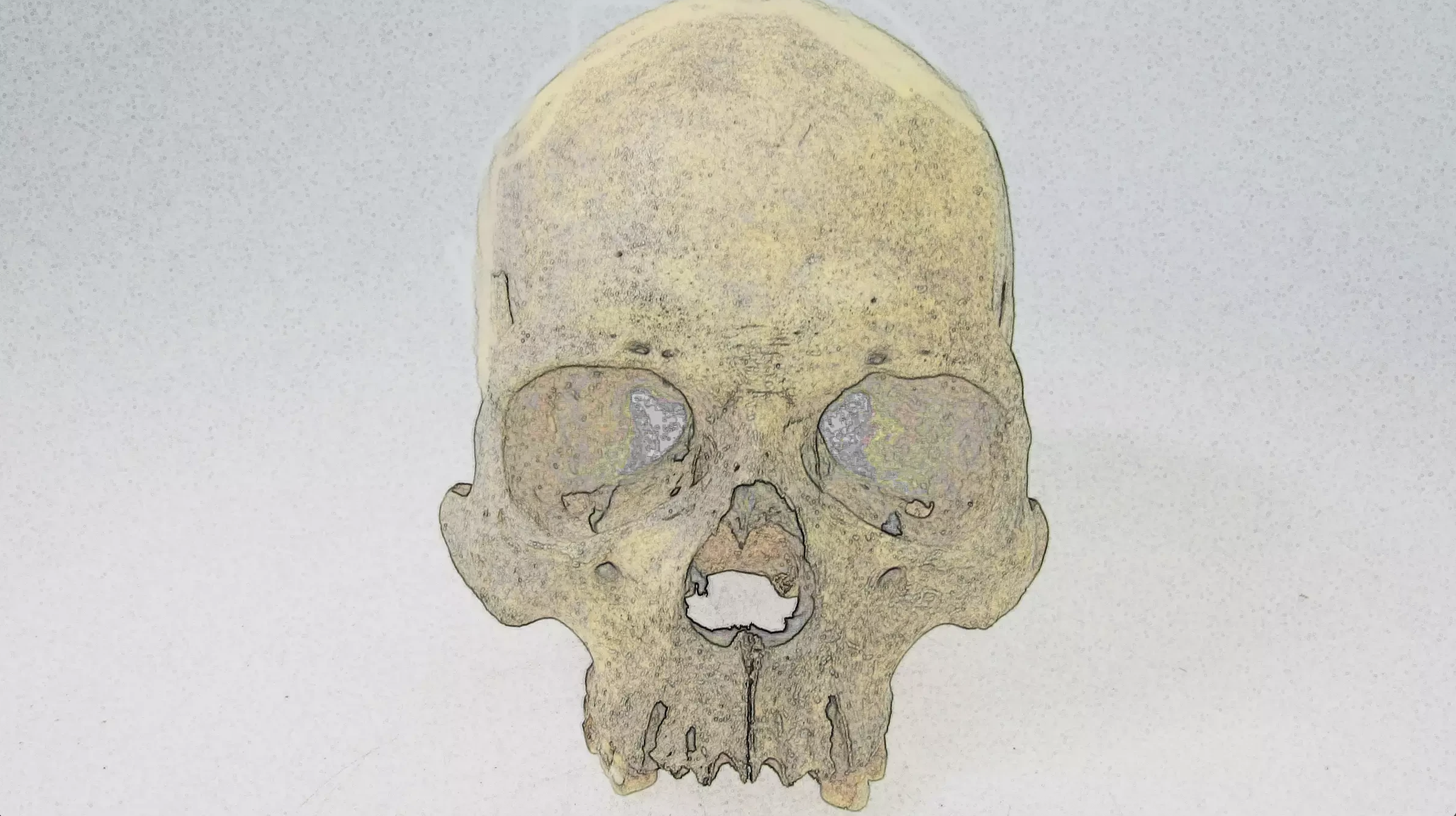
The 4,000 -year -old human skeletons bones discovered in Chile contain proofs of a rare form of Hansen’s disease, also known as leprosy, reveals ancient DNA.
While the most common form of the leprosy known today is caused by a bacteria called Mycobacterium lepraeThese skeletons had signs of a different and rarer form of the disease caused by the bacteria Mycobacterium lepromatosis. The results, published on June 30 in the journal Ecology and evolution of naturesuggests that the two leprosy training bacteria has evolved separately, on the opposite sides of the globe, for thousands of years.
To discover, the researchers have rebuilt the genome of Mr. Lépromatose The remains of two adult men found on the archaeological sites neighboring Cerrito and the Herradura in northern Chile.
“This reshapes our understanding of the history of the disease and raises new questions about how he has happened and has spread in the Americas,” said Charlotte Avanziwho studies the propagation and genomics of leprosy at Colorado State University and was not involved in this study.
The origins of leprosy
Lepre is a chronicle infectious disease With a multitude of painful symptoms, including skin lesions and numbness of the limbs. It can cause specific and observable changes in the bones, and these characteristic transformations have been found in skeletons in Europe, Asia and Oceania for 5,000 years, according to a statement From the Max Planck Institute for evolutionary anthropology in Leipzig, Germany.
The disease is generally caused by Mr. Lepraewhich has been widely studied. Archaeological analysis of Europe bones points to Eurasia as the origin of bacteria, probably emerging about 6,000 years ago Neolithic transition From food to agriculture.
In relation: The skeletons chased by the disease suggest that leprosy and ravaged variole medieval village
So far, there was no documented evidence of these bone changes in the Americas before the colonial period, which suggested that leprosy was introduced in the region during this period. This research is complicated by the assault of pathogens who came to the Americas at that time and the difficulty of determining a diagnosis of old DNA, according to the press release.
“”Ancient DNA has become an excellent tool that allows us to deepen illnesses that have had a long history in the Americas, ” Kirsten BosA molecular paleopathologist at the Max Planck Institute for Evolutionary Anthropology and co-author of the study, in the press release.
“We were initially suspects”
THE Mr. Lépromatose The genome of the Chilean bones had “incredible preservation, which is rare in old DNA, in particular from specimens of this age”, ” LesseA computer biologist at the Max Planck Institute for Evolutionary Anthropology and co-author of the study, in the press release.
After isolating the DNA of the pathogen, “we were initially suspicious, because leprosy is considered to be a colonial era disease”, co-author of the study Darío RamirezA doctoral student in biological anthropology at the National University of Cordoba in Argentina, said in the press release. With a more in -depth examination, the team confirmed that it indeed examined evidence of leprosy caused by a type of bacteria considered rare in the modern era.
This observation is important, but not conclusive enough to determine if the disease is from the Americas, said BOS. “Until now, evidence is coming to an American origin, but we will need more genomes from other periods and contexts to be sure.”
This work also helps to answer another major question: how has leprosy spread in such regions of the Americas? An idea is that the pathogen appeared during a Early popular event in the Americas. Or, perhaps the pathogen was already in the Americas in an animal reservoir, then he was contracted by people, the researchers wrote in the new study.
Scientists still do not fully understand how bacteria causing leprosy propagate, but their presence in corners so far from the world suggests that there are environmental or animal factors responsible for transmission, said Avanzi. “Identification of the origin and possible of non -human tanks of Mr. Lépromatose is crucial to improving prevention and control strategies, both for human health and fauna conservation, “she said.
This complete study results by Avanzi and his team, which analyzed the more recent remains of Canada and Argentina and also discovered evidence that Mr. Lépromatose was dispersed through the Americas before European colonialism.


