Republican senators introduce bills targeting nitazenes synthetic opioids


NEWYou can now listen to Fox News articles!
FIRST ON FOX: A trio of Republican senators introduces a series of coordinated laws to crack down on nitazenes – a class of synthetic opioids which are little known to the public but increasingly seen by law enforcement and health officials as potentially the next fentanyl crisis.
Senators Eric Schmitt of Missouri, Pete Ricketts of Nebraska and Dave McCormick of Pennsylvania unveiled three new bills aimed at combating the growing spread of nitazenes through law enforcement, technology and foreign policy measures. The move represents one of Congress’ most aggressive efforts yet to preempt what experts say could be a deadly new chapter in the U.S. opioid epidemic.
Schmitt’s Assessment of Detection Equipment and Technology to Counter the Nitazenes Threat Act of 2025, or DETECT Nitazenes Act, directs the Department of Homeland Security to work with the Drug Enforcement Administration to develop and deploy new technology capable of detecting trace amounts of nitazenes. The bill also updates the Homeland Security Act to explicitly include nitazenes in federal efforts to identify and disrupt illicit substances.
Ricketts and Schmitt joined McCormick and Senator Ruben Gallego (Democrat of Arizona) to introduce the Nitazene Control Act, which would permanently classify nitazenes as a Schedule I controlled substance under federal law – the same category as heroin, fentanyl and LSD.
MIX OF DEADLY DRUGS CAUSES STUNNING INCREASE IN OVERDOSE DEATHS AMONG SENIORS
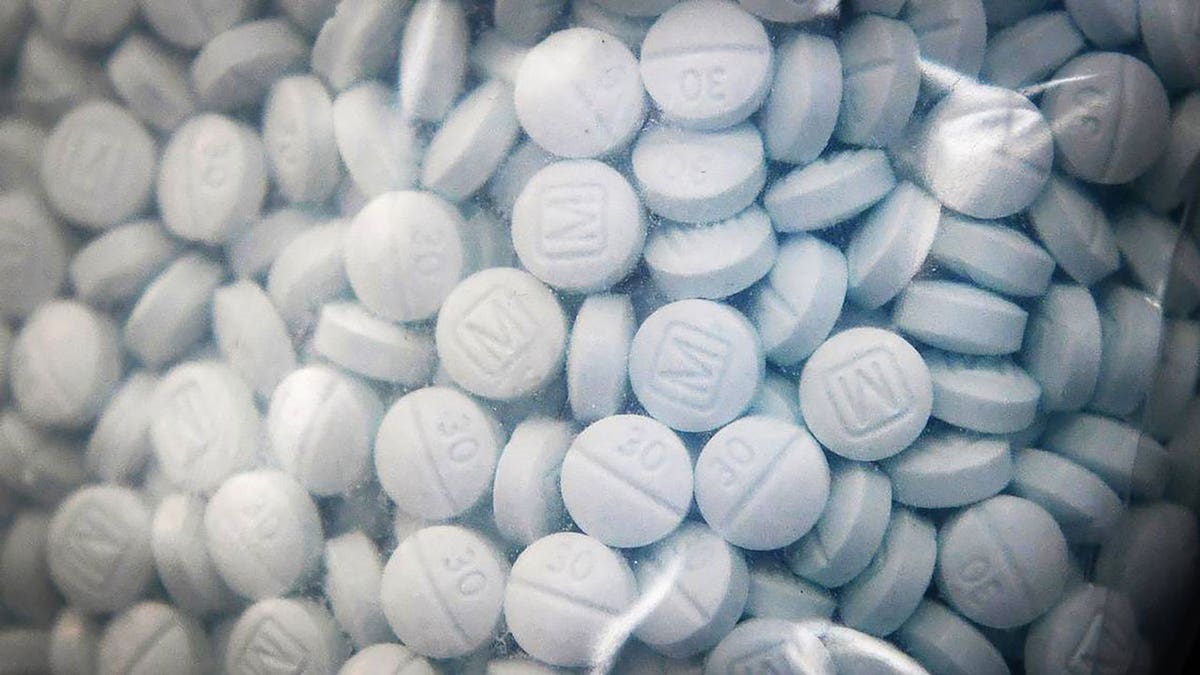
Once obscure laboratory compounds, nitazenes began appearing around 2019 in seizures and toxicology reports in North America, Europe and beyond. Because they often contaminate counterfeit pills or powders without users’ knowledge, even trace amounts can be deadly. (Craig Kohlruss/Fresno Bee/Tribune News Service via Getty Images)
And in a third measure, Ricketts, Schmitt and McCormick implemented the Nitazene Sanctions Act, which targets the Chinese supply chain behind synthetic opioids. The bill would expand sanctions against individuals and entities in Communist China that support the manufacturing of nitazenes and require the Departments of State and Justice to develop a coordinated strategy to cut off the flow of precursor chemicals to the United States.
“Nitazenes could become the next fentanyl crisis if he’s not stopped,” Ricketts said. “He’s already killed thousands of Europeans and he’s heading quickly toward our shores. The Nitazene Sanctions Act will bring sweeping sanctions against those in Communist China who help poison and kill Americans. »
Schmitt echoed this warning. “Nitazenes are powerful synthetic opioids that originate largely in Communist China. The Nitazene Sanctions Act will combat this deadly drug by triggering devastating sanctions against any entity in Communist China that manufactures this deadly drug to poison and kill American citizens,” he said.
DEA MAKES MASS ARRESTS IN NEW HAMPSHIRE FENTANYL, METH BUST LINKED TO SINALOA CARTEL
McCormick added that the scale of the problem should serve as a wake-up call. “The fact that nitazenes are often more deadly than fentanyl, which killed nearly 4,000 Pennsylvanians last year alone, should be a wake-up call to all of us,” he said. “We need to target nitazenes before they become the next drug epidemic. These illicit drugs are extremely potent and difficult to detect.”
Nitazenes belong to a class of synthetic opioids called benzimidazole opioids. First developed in the 1950s as experimental painkillers, they were never approved for medical use due to their extreme potency and risk of overdose. The most common forms are estimated to be five to nine times more potent than fentanyl, and some variants can be up to 40 times more potent, according to data from the Centers for Disease Control and Prevention.
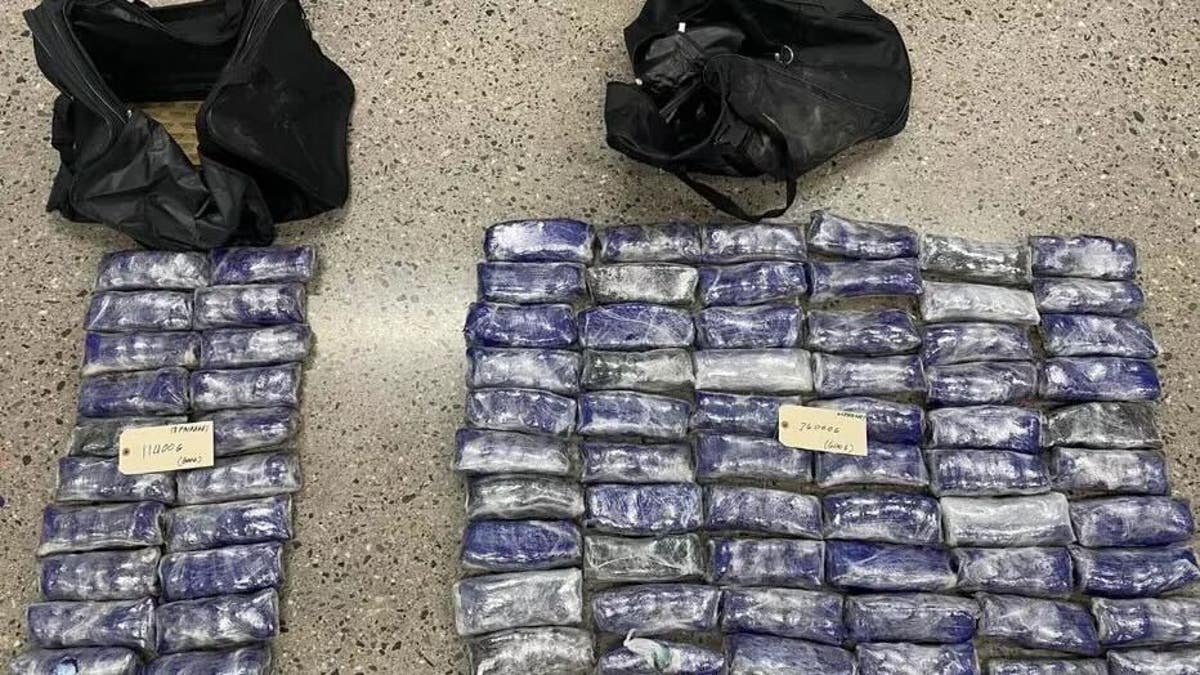
A trio of Republican senators is introducing a series of coordinated laws to crack down on nitazenes — a class of synthetic opioids little known to the public but increasingly seen by law enforcement and health officials as an imminent threat that could become the next fentanyl crisis. (Buckeye Police Department)
Once obscure laboratory compounds, nitazenes began appearing around 2019 in seizures and toxicology reports in North America, Europe and beyond. Because they often contaminate counterfeit pills or powders without users’ knowledge, even trace amounts can be deadly.
Recent data from the National Drug Early Warning System (NDEWS) highlights the rapid increase in nitazene-related overdoses across the country. Between January 2023 and April 2025, emergency medical services recorded 18,449 encounters related to nitazene use – 99.4% non-fatal and 0.6% fatal – with the highest rates concentrated in the Southeast. The DEA’s Houston office also warned of an increase in fatal poisonings involving nitazenes in Houston, Austin and San Antonio.
The true scale of the crisis, however, remains difficult to measure. Many state toxicology systems and CDC overdose tracking programs do not yet distinguish nitazenes from other synthetic opioids, leaving significant blind spots in federal data.

Many state toxicology systems and CDC overdose tracking programs do not yet distinguish nitazenes from other synthetic opioids, leaving significant blind spots in federal data. (Beth Nakamura/The Oregonian)
Unlike opium-based narcotics, nitazenes and other synthetic opioids can be produced anywhere using widely available chemical precursors. US officials have warned that Chinese chemical makers can easily synthesize these compounds – and that Mexican cartels could leverage their supply networks with Chinese partners to transport nitazenes to the United States
CLICK HERE TO DOWNLOAD THE FOX NEWS APP
Together, the three new Senate bills – the DETECT Nitazenes Act, the Nitazene Control Act and the Nitazene Sanctions Act – mark a coordinated Republican effort to address the emerging threat from multiple angles: technology, law enforcement and international pressure.
While fentanyl remains the main driver of the U.S. overdose epidemic, lawmakers and health officials are increasingly concerned that nitazenes could represent a new, even deadlier frontier in the synthetic opioid crisis — one that Republican senators say must be addressed before it spirals out of control.


