2026 Mac Studio: Specs, processor, release, price


Mac Studio was originally released in 2022 and has been updated twice since then. However, a report released in late 2025 claimed that Apple had “largely written off” the Mac Pro and considered the Mac Studio to be its flagship desktop Mac. This means that big things could be in store for Mac Studio’s future.
The current Mac Studio was released in March 2025 and reports of the next upgrade are already starting to emerge. This article follows up on those reports. For more information on what the upgrade will include and when it might be released, see this page.
Mac Studio 2026: release date
- Possible release in March 2026
The Mac Studio comes with M-series Max and Ultra chips, and we can use the output of the base M-series chip to get an idea of when the Mac Studio will be updated. Apple releases the base M-series chip first (usually in the MacBook Pro), then follows with the M-series Max and the Mac Studio Ultra a few months later.
The most recent core chip in the M series is the M5, which was launched in the MacBook Pro in October 2025. So this generation of chip will likely appear in the new Mac Studio in the first half of 2026.
According to a report from Bloomberg’s Mark Gurman, the M5 Max and M5 Ultra Mac Studio are on Apple’s release schedule for 2026. Two of the three Mac Studio releases since its introduction have occurred in March, with the M2 Max/Ultra Mac Studio 2023 being released in June at WWDC. So look for an M5 Mac Studio release between March and June.
Mac Studio 2026: processor
- Should have M5 Max and M5 Ultra chips
The Mac Studio 2025 was a complete surprise. It was introduced with an M4 Max chip, which was expected, but the high-end version came with an M3 Ultra rather than an M4 Ultra. The M3 Ultra is technically faster than the M4 Max, but it’s an older chip. Apple has not explained the reason.
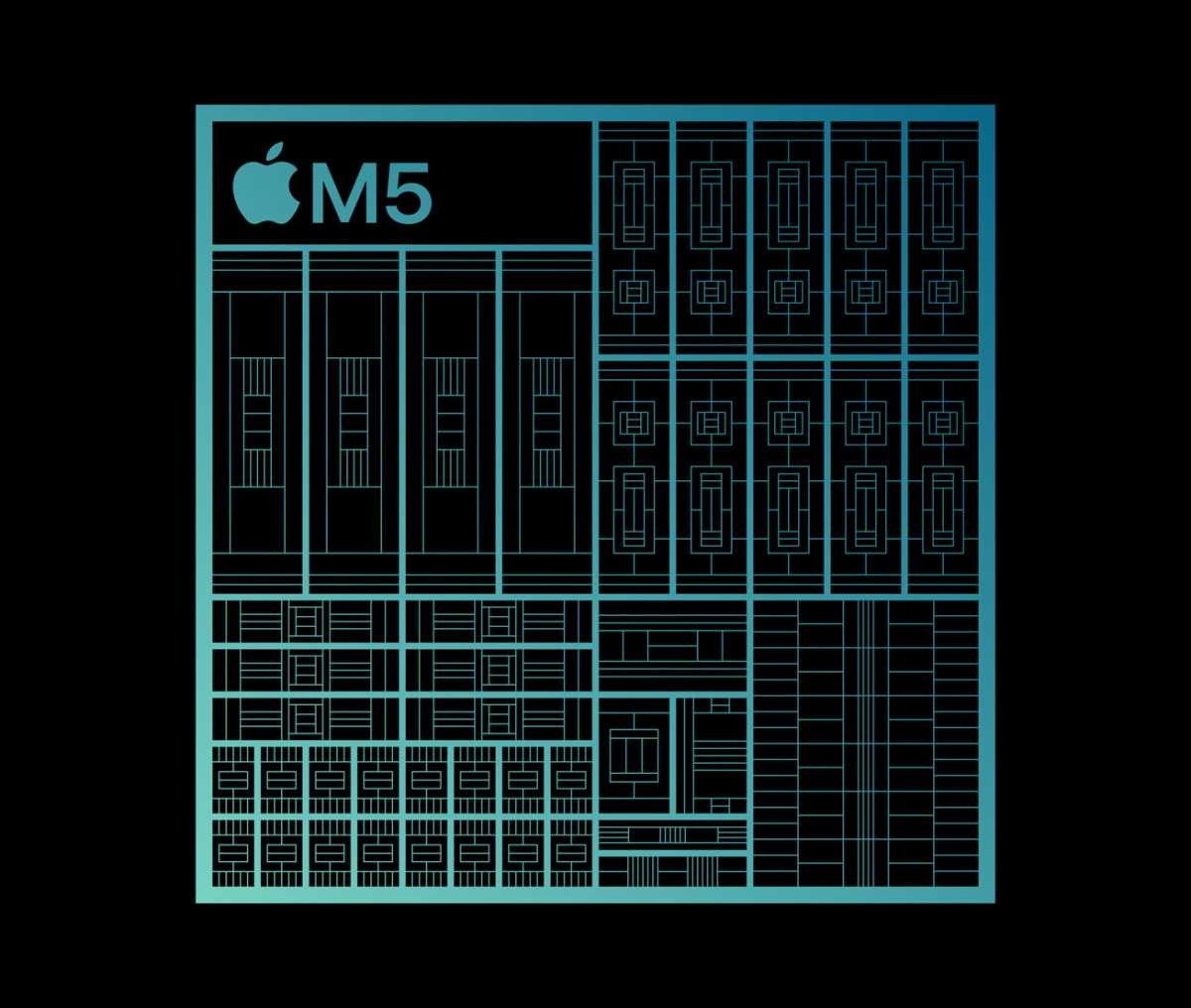
Apple
The next Mac Studio will not have this staggered chip configuration, according to reports. Bloomberg’s Mark Gurman claims that Apple will return to the same generation, M5 Max and M5 Ultra, for the next Mac Studio. However, details of these chips have not been reported.
Mac Studio 2026: specifications
- New separate CPU and GPU blocks for customization
- Standard configurations of 36 GB and 96 GB of RAM
- Thunderbolt 5
The major change in Mac Studio specifications will be to the chip itself. Apple is completely rethinking how it works, according to an October 2025 report from MaxTech’s Vadim Yuryev. The M5 Pro and M5 Max will feature the CPU and GPU on separate blocks, which would give customers more options for configuring these components. For example, one could configure a basic CPU configuration with one GPU maxed out. Although Yuryev didn’t specifically mention the M5 Ultra, it stands to reason that the Ultra chip will also feature this new block configuration.
The rest of the specifications should not change. This will likely start with 36GB of RAM for the M5 Max and 96GB of RAM for the M5 Ultra, and SSDs up to 8TB or 16TB. The current Mac Studio comes with Thunderbolt 5, and that should continue with the new model.
Mac Studio 2026: design
- No design changes expected
The Mac Studio debuted in 2022, so it’s only three years old. Apple is expected to stick to the same design, which is also reflected in the M4 Mac mini, as no reports have been made about the design.
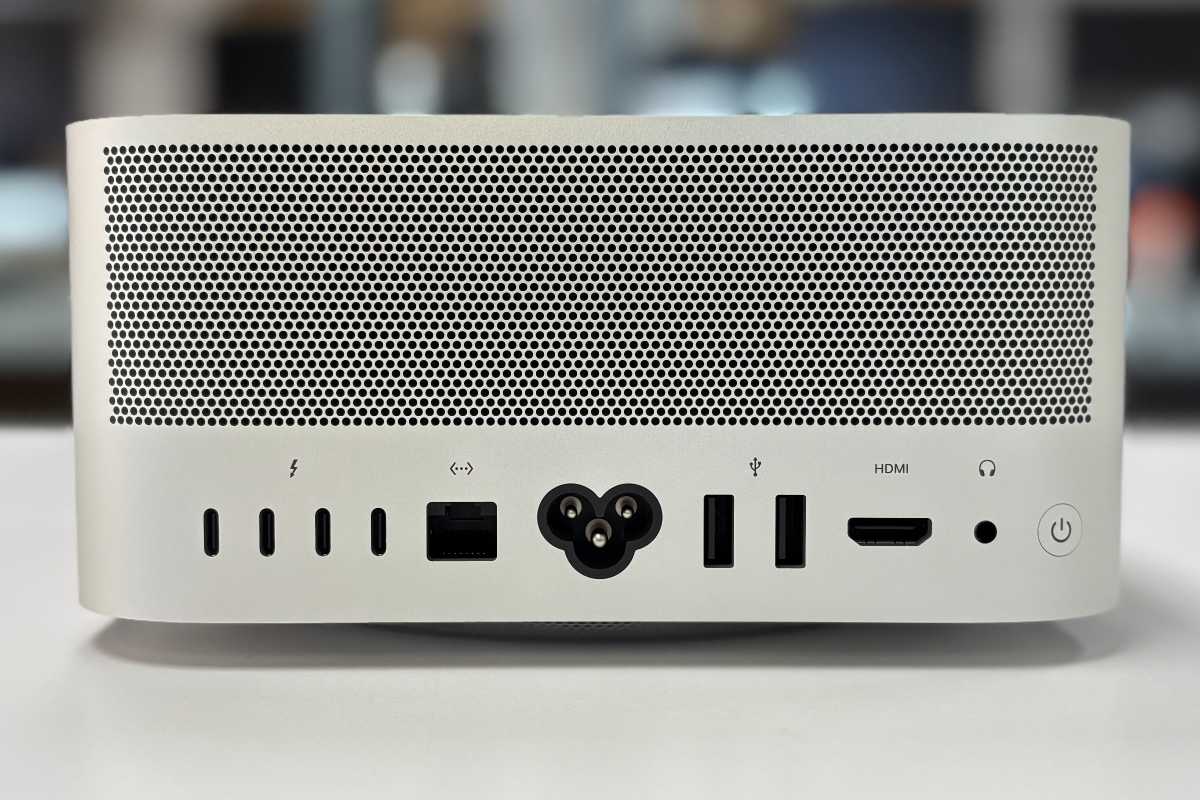
Foundry
Port offers should also remain the same. The Mac Studio has:
- M-series Max model: 2 front USB-C ports (supporting USB 3 at 10 Gbps)
- Ultra M series model: 2 Thunderbolt 5 ports on the front
- Front SDHX card slot
- 3.5mm rear audio jack
- 4 rear Thunderbolt 5 ports
- 2 rear USB-A ports
- HDMI port
- 10Gb Ethernet port (10Gb Ethernet option available)
Mac Studio 2026: price
Here are the prices of the current standard base configurations of the Mac Studio 2025 for reference:
- $1,999/£2,099/CA$2,699/AU$3,499 M4 Max, 36GB unified memory, 512GB SSD
- $3,999/£4,199/CAD5,499/AU$6,999 M3 Ultra, 96GB unified memory, 1TB SSD
The price of the new Mac Studio has not been announced, although it may increase due to the tariff situation in the United States: the components are manufactured abroad. Prices may be adjusted to newer exchange rates elsewhere.