Social media users in the Central Valley are freaking out about unusual fog

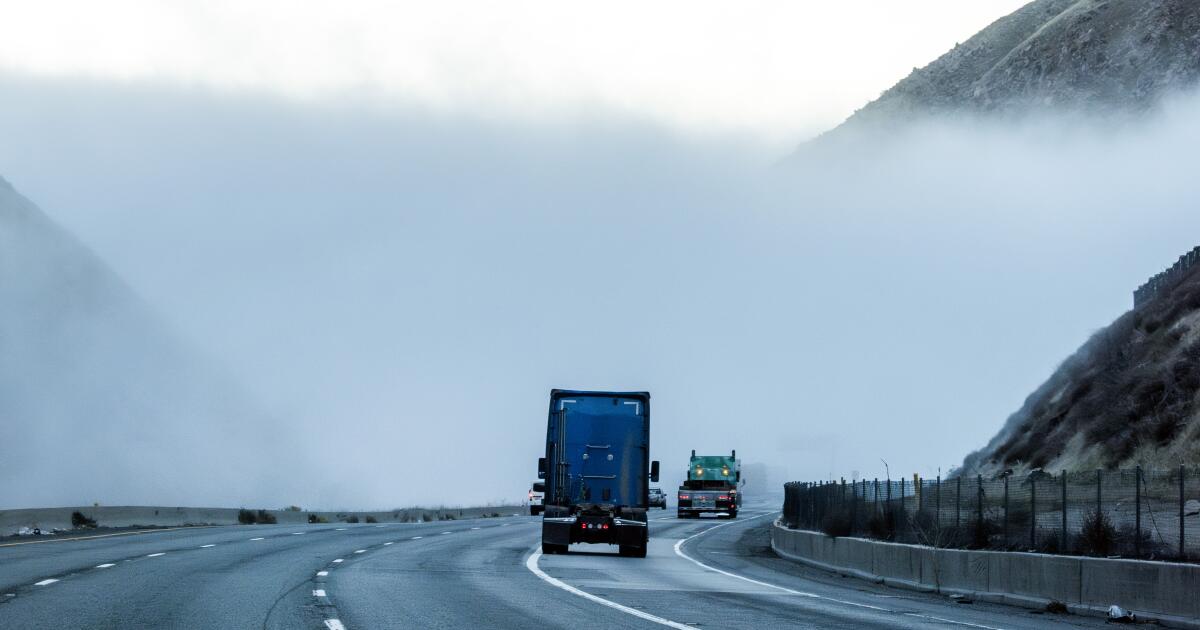
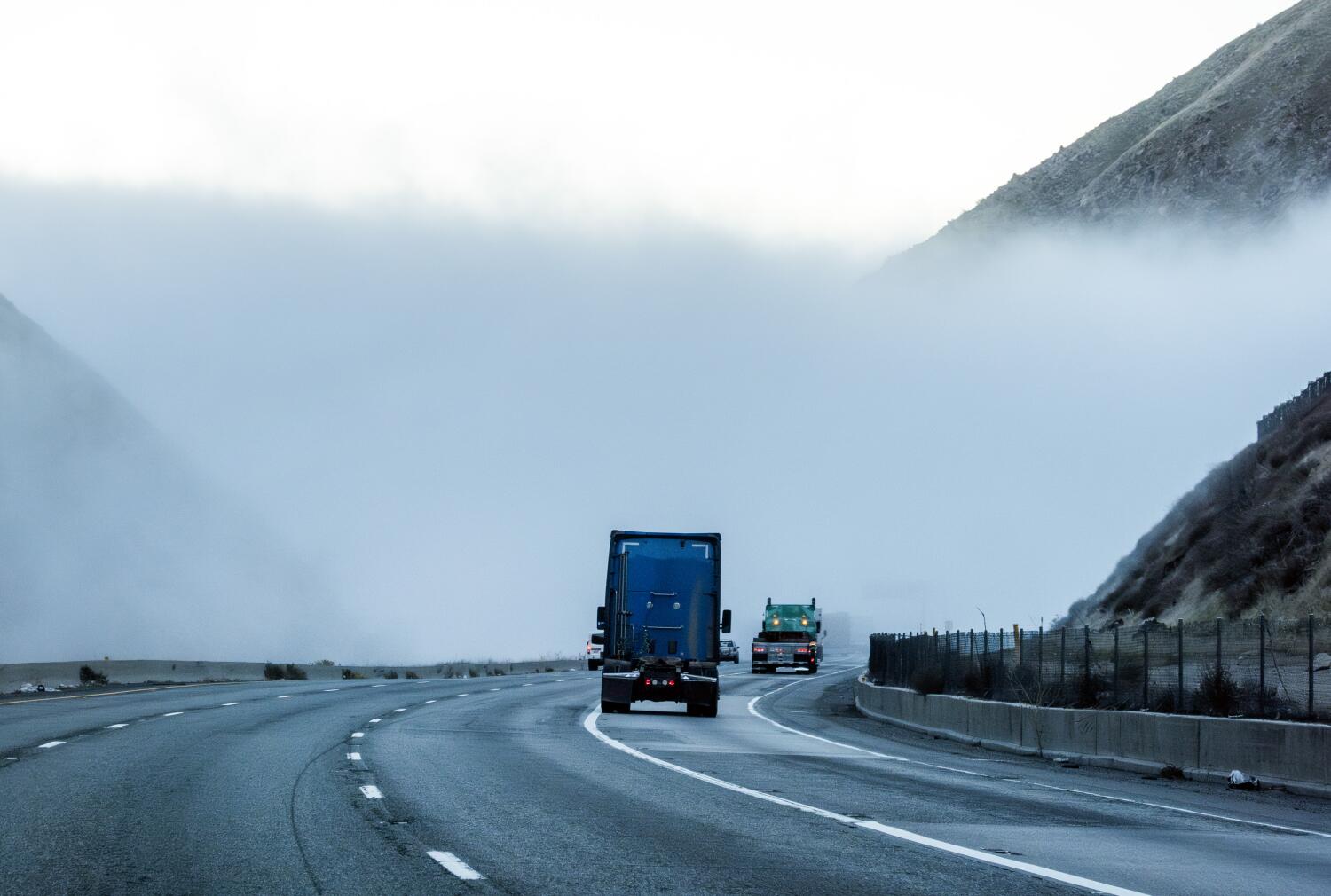
A 400-mile blanket of fog has stretched across California’s Central Valley for weeks. Scientists and meteorologists say the conditions for such persistent cloud cover are ripe: an early rainy season, cold temperatures and a stable, unmoving high pressure system.
But take a stroll through X, Instagram, or TikTok, and you’ll see that not everyone is so optimistic.
People report that the fog has a strange consistency and is littered with black and white particles that don’t look normal. They call it “mysterious” and point to the name “radioactive” fog, which is the scientific descriptor for such natural fog events – not an indication that they carry radioactive material.
A user His finger appears covered in white.
“What the hell is this here?” the man says as the camera zooms in on his finger. “There’s something in the fog that I can’t explain… Check it out, all of you… you’re all crazy… What’s going on? There’s asbestos in there.”
Another user, @wesleybrennan87, posted a photo of two airplane contrails streaking across the sky through a gap in the fog.
“For anyone following the dense Tule (radiation) fog in the California Valley, it lifted for a moment today, just to see that they have been quite active overhead…” the user posted.
Scientists confirm there are things in the fog. But what it is and where it comes from, they say, is unfortunately commonplace.
The Central Valley is known for having some of the worst air pollution in the country.
And “fog is very sensitive to pollutants,” said Peter Weiss-Penzias, a fog researcher at UC Santa Cruz.
“Fog droplets have a large surface area and remain suspended in the air for quite a long period of time – days or even weeks – so that during this time, water droplets can absorb a disproportionate amount of gases and particles, otherwise known as pollutants,” he said.
He said that while he hadn’t done any analysis of the Central Valley fog during this latest event, it wasn’t hard to imagine what might be lurking in the droplets.
“It could be a whole alphabet soup of different things. With all the agriculture in this area, the industry, the automobiles, the wood smoke, there’s a whole bunch of contenders,” Weiss-Penzias said.
Reports that the fog turns into a gel-like substance when allowed to sit are also not entirely surprising, he said, considering all the airborne biological matter — fungal spores, nutrients and algae — floats around and can also adhere to Velcro-like water droplets.
He said the good news is that although the primary route of people’s exposure to this material is through inhalation, the mist droplets are relatively large. This means that when they are breathed in, they do not penetrate too deep into the lungs – unlike the particles we inhale on sunny, dry days. This stuff can penetrate into lung tissue.
The biggest concern is ingestion, as fog covers plants or open water tanks, he explained.
So make sure to wash your vegetables and anything else you leave out that you might snack on later.
Dennis Baldocchi, a fog researcher at UC Berkeley, agreed with Weiss-Penzias’ assessment and said the storm system forecast for this weekend would likely push the fog away and free the valley from its cold, dirty shawl.
But if high pressure returned in the coming weeks, he wouldn’t be surprised to see the region shrouded in fog again.


