
NEWYou can now listen to Fox News articles!
Secretary of War Pete Hegseth on Sunday suggested Sen. Mark Kelly, D-Ariz., may have violated his oath with comments he made to a news outlet following a classified briefing.
Kelly told Margaret Brennan on Face the Nation that it is “shocking how deep we have gone into these magazines” when asked if the Pentagon has updated lawmakers on the Iran war’s impact on U.S. weapons stockpiles.
The senator told Brennan the Tomahawks, Army Tactical Missile System (ATACMS), RIM-161 Standard Missile 3 (SM-3), Terminal High Altitude Area Defense (THAAD) rounds and Patriot rounds used to defend the U.S. have been hit hard, adding that it will take years to replenish those stockpiles, which could affect a hypothetical U.S. conflict with China.
In response, Hegseth questioned whether Kelly, a former Navy pilot, may have violated his oath and said the Pentagon’s legal counsel will review his comments.
FEDERAL JUDGE BLOCKS PENTAGON FROM DEMOTING MARK KELLY OVER CONTROVERSIAL MILITARY VIDEO
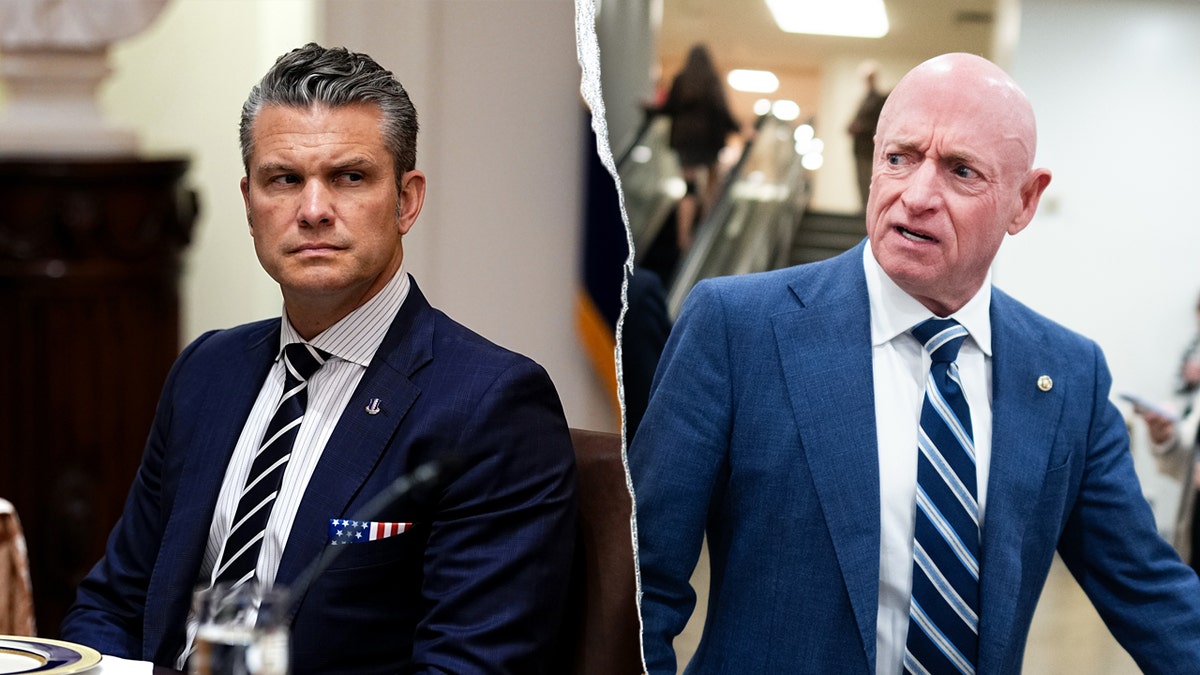
Pentagon chief Pete Hegseth suggested Sen. Mark Kelly may have violated his oath with comments he made following a classified briefing. (Aaron Schwartz/CNP/Bloomberg via Getty Images Tom Williams/CQ-Roll Call, Inc via Getty Images)
“‘Captain’ Mark Kelly strikes again,” Hegseth wrote on X.
“Now he’s blabbing on TV (falsely & dumbly) about a *CLASSIFIED* Pentagon briefing he received,” he continued. “Did he violate his oath… again? @DeptofWar legal counsel will review.”
This comes amid a months-long dispute between Hegseth and Kelly over the senator’s participation in a video with some of his Democratic colleagues in Congress urging U.S. military members to ignore “illegal” orders.
The DOJ had opened an investigation into the video posted online featuring six Democratic lawmakers calling on troops and members of the intelligence community to defy illegal orders from the federal government. The lawmakers all served in the military or at intelligence agencies.
In addition to Kelly, the other lawmakers in the video were Sens. Elissa Slotkin of Michigan, as well as Reps. Chris Deluzio and Chrissy Houlahan of Pennsylvania, Maggie Goodlander of New Hampshire and Jason Crow of Colorado.
GRAND JURY REJECTS DOJ EFFORT TO INDICT DEMOCRATIC LAWMAKERS WHO URGED MILITARY TO DEFY ILLEGAL ORDERS
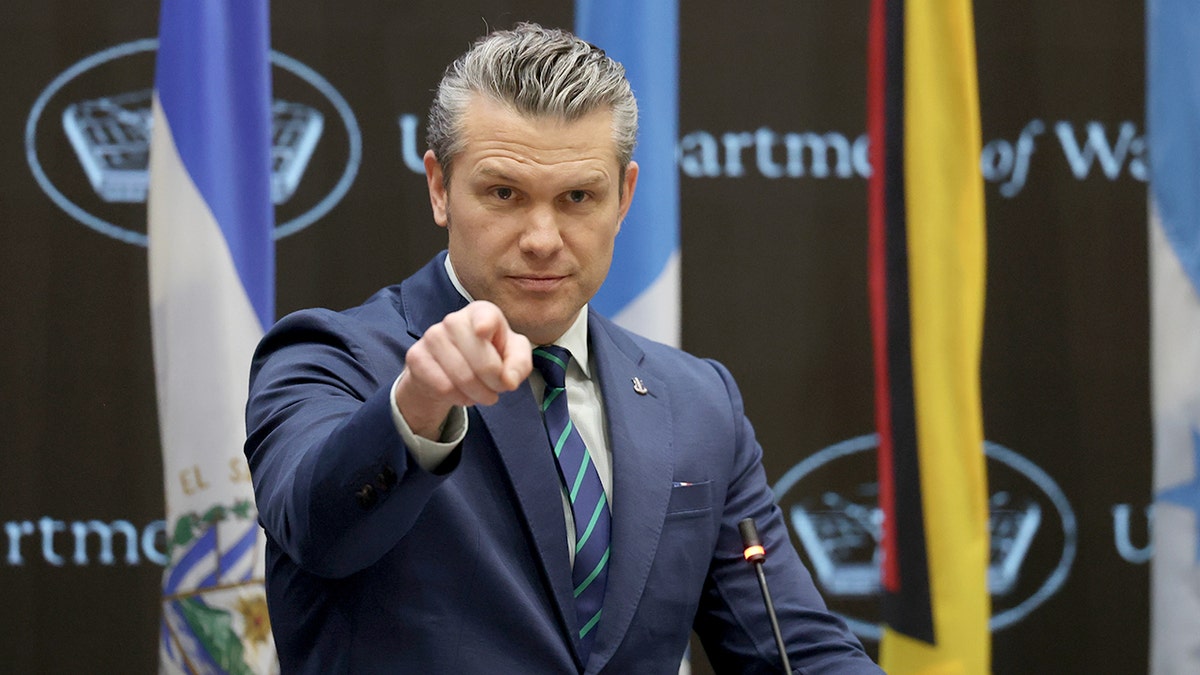
Pentagon chief Hegseth said the Pentagon’s legal counsel will review Sen. Mark Kelly’s latest comments. (Joe Raedle/Getty Images)
“This administration is pitting our uniformed military and intelligence community professionals against American citizens,” the lawmakers said in the video. “Like us, you all swore an oath to protect and defend this Constitution. Right now, the threats coming to our Constitution aren’t just coming from abroad but from right here at home. Our laws are clear. You can refuse illegal orders. You must refuse illegal orders. No one has to carry out orders that violate the law or our Constitution.”
Grand jurors declined to sign off on charges against the lawmakers in February.
In November, the Pentagon launched an investigation into Kelly, pointing to a federal law that allows retired service members to be recalled to active duty on orders of the secretary for possible court-martial or other punishment.
Hegseth has censured Kelly and has attempted to retroactively demote him from his retired rank of captain over his participation in the video, which affirms that refusing unlawful orders is a standard part of military protocol.
But a federal court ruling blocked the Pentagon from demoting the lawmaker over the video. The court also found the Pentagon likely violated Kelly’s First Amendment rights, and those of “millions of military retirees,” when it formally censured him on Jan. 5.
Hegseth subsequently appealed that ruling.
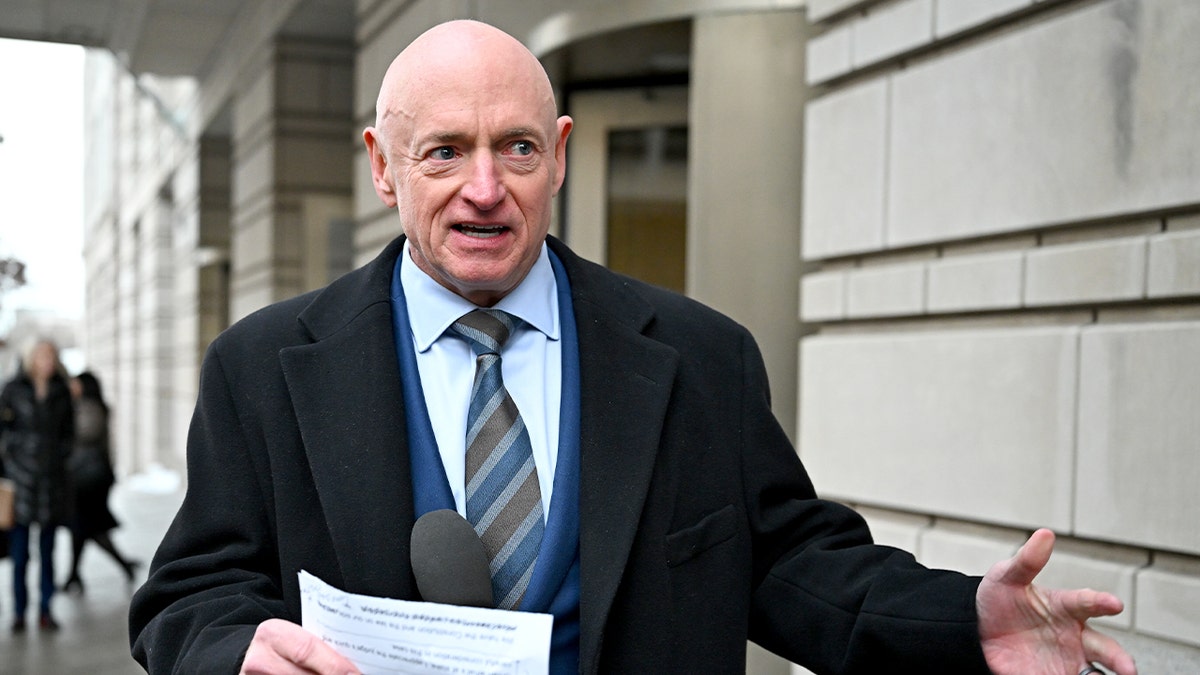
Sen. Mark Kelly has repeatedly said he would not back down amid the Pentagon’s attempts to punish him over the video. (Graeme Sloan/Bloomberg via Getty Images)
CLICK HERE TO DOWNLOAD THE FOX NEWS APP
Last week, a three-judge panel of the U.S. Court of Appeals for the D.C. Circuit heard oral arguments and appeared largely skeptical of Hegseth’s attempt to punish Kelly for the video.
“I will not back down from this fight,” Kelly said after the hearing.
President Donald Trump had accused the lawmakers of being “traitors” who engaged in “sedition at the highest level” and “should be in jail” after the video was posted last fall. He even suggested they should be executed over the video, although he later attempted to walk that comment back.
Slotkin, who previously worked at the CIA and Pentagon, was targeted with a bomb threat just days after the clip and Trump’s subsequent statements suggesting the Democrats be executed.
Fox News Digital reached out to Kelly for comment.


