Sperm loses its sense of direction in space


Some of the world’s richest and most influential people remain determined to leave Earth for a new life in space. But despite what they think, life among the stars isn’t just about developing the technology and logistics to get there. Humans have evolved in unique ways over millions of years to thrive on Earth – even slightly changing any of these conditions is likely to cause all kinds of problems.
Among the many potential problems, living in space can destroy our kidneys, increase the risk of many diseases, including cancer, and even fundamentally alter our DNA. Now a team from the University of Adelaide in Australia has discovered another possible obstacle. Humans in space might just be in trouble manufacturing new humans.
“This is the first time we have been able to show that gravity is an important factor in the ability of sperm to navigate a channel such as the reproductive tract,” said Nicole McPherson, a biomedical researcher and co-author of a study published today in the journal Communication biology.
McPherson and his colleagues examined how weightless (or zero G) conditions affect the sperm of three different mammals, including humans. Since getting into orbit was unlikely, they instead placed the samples in a 3D clinostat machine. This device simulates zero G by flipping and disorienting the cells placed in it.
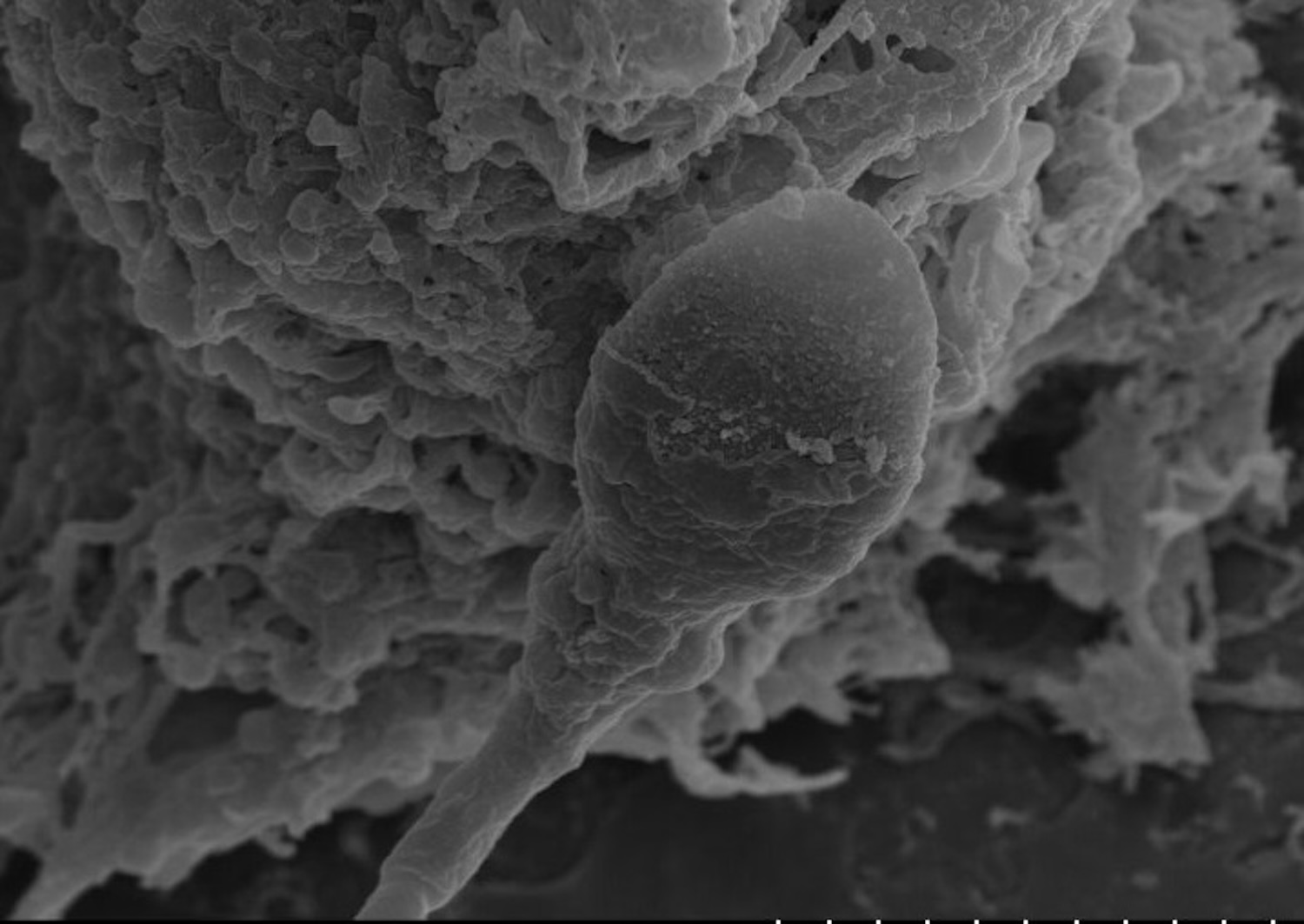
They then placed the sperm in an artificial maze constructed to resemble a female reproductive tract. In each case, the cells had immense difficulty following what should have been a relatively simple path.
“We observed a significant reduction in the number of sperm able to make their way through the maze of chambers in microgravity conditions compared to normal gravity,” McPherson explained. “This was seen in all models, despite no change in how sperm physically move.”
The problems didn’t stop there either. After four hours in zero-G conditions, mouse sperm fertilized 30 percent fewer eggs than under standard conditions. Longer time in the space simulation also made the problems worse.
However, it wasn’t all bad news for little swimmers. Researchers found that supplementing human sperm with the sex hormone progesterone – essential for successful pregnancies – helped improve the chances of fertilization. According to McPherson, this could be because eggs also produce progesterone to help guide sperm. However, they cautioned that more in-depth analyzes would be needed before reaching a definitive conclusion.
In the future, the team is preparing to study how different gravitational environments like those found on Mars or the Moon can affect the development of sperm and embryos. They will also explore how artificial gravity systems influence reproduction. At the moment, it certainly appears that creating babies in space is more difficult than making them at home, but not impossible.
“Many healthy embryos were still able to form even when fertilized under these conditions,” McPherson concluded. This gives us hope that reproduction in space will one day be possible.

The best new PopSci 2025 releases


