Super Bowl scams target fans using data brokers for fake deals


NEWYou can now listen to Fox News articles!
The Super Bowl is not only the biggest sporting event of the year, but it has also become one of the busiest con seasons.
Every February, millions of Americans receive gambling-related texts, emails, and calls, such as “Your ticket could not be delivered,” “Your streaming account needs to be verified,” or “Your betting account has been locked.” At first glance, these messages may seem like random spam, but in reality, they are carefully targeted.
Instead of spreading messages blindly, fraudsters rely on data brokers, companies that collect, package and sell personal information. These brokers create detailed profiles and the fraudsters buy or steal these lists to decide exactly who to target and when.
Below I’ll explain how this system works and, more importantly, how you can opt out of the data pipeline that scammers depend on.
Sign up for my FREE CyberGuy Report
Get my best tech tips, urgent security alerts and exclusive offers straight to your inbox. Plus, you’ll get instant access to my Ultimate Scam Survival Guide – free when you join my CYBERGUY.COM bulletin.
TAX SCAMS RISING AS FIRING CONFUSION Grows
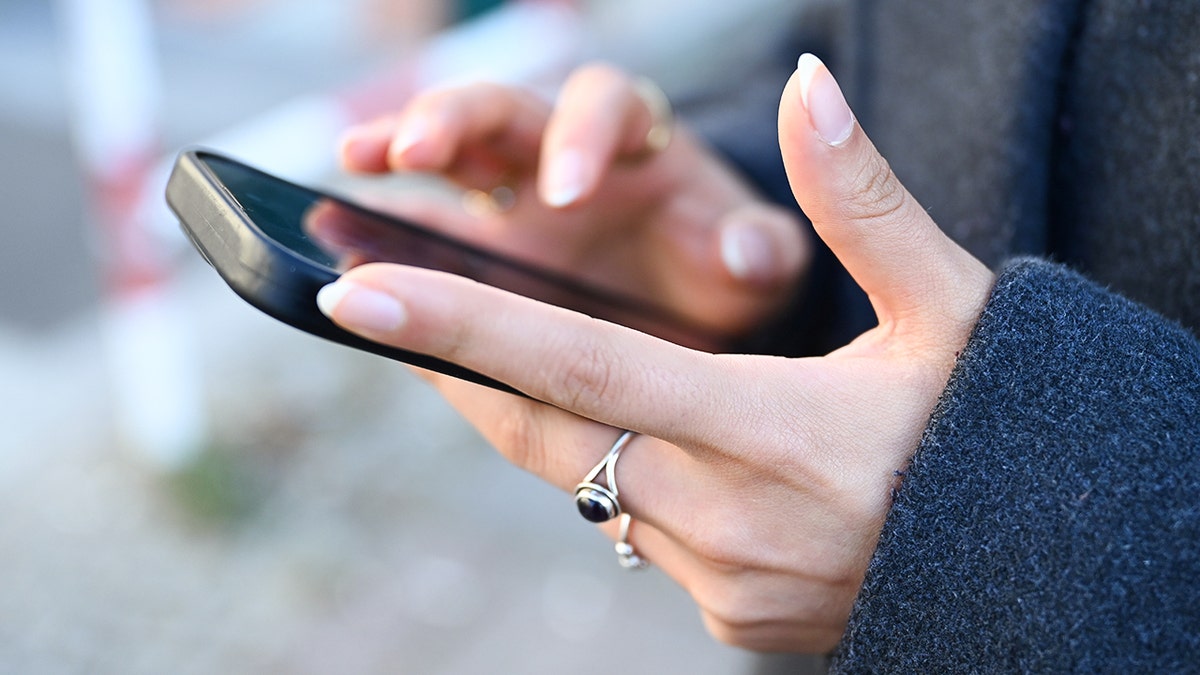
Fraudsters are ramping up Super Bowl-themed scams every February, using fake tickets, streaming and betting alerts to steal personal information from unsuspecting fans. (Elisa Schu/photo alliance via Getty Images)
Why Super Bowl season is a gold mine for scammers
Big events create urgency, emotion and distraction – perfect conditions for fraud. During Super Bowl week, scammers use the same themes as real businesses:
- Ticket confirmations
- Streaming service alerts
- Betting Account Warnings
- Delays in delivery of food or goods.
But here’s the key: They’re not spreading these messages randomly. They target people who look like potential buyers. This targeting comes from your digital profile.
How Scammers Know You’re a ‘Super Bowl Target’
You may have never posted a football message, but you still receive a fake ticket message. Indeed, data brokers create profiles using your:
- Address History
- Household size
- Income range
- Age
- Purchasing behavior
- Most used apps
- Frequently Visited Websites
- Household members.
This information is gathered from retailers, apps, public records and tracking tools, then sold to marketers and ultimately leaked or resold to fraudsters. So when Super Bowl season rolls around, scammers simply filter their lists: “People who look like they want to watch the game, place a bet, or order food.” And your phone number is right there.
The Most Common Super Bowl Scam Messages
During Super Bowl week, scammers flood inboxes and phones with messages that appear to come from legitimate businesses. The goal is simple: create urgency, make you click and steal your information before you have time to think. Here are the scams I see increasing every February:
1) Counterfeit note alerts
“Your Super Bowl ticket transfer failed. Check now.”
These messages claim to come from Ticketmaster, StubHub or SeatGeek. They claim your ticket couldn’t be delivered, your transfer is pending, or your account needs to be verified. The link takes you to a fake login page that appears identical to the real site. As soon as you enter your email and password, scammers capture your credentials. Many victims then find their real ticket account emptied, their payment methods used or even their email recovered.
How to spot it:
- The sender’s address is misspelled
- The link leads to a similar domain
- The message creates panic and urgency.
What to do: Never click. Access the ticketing site directly via your browser or application.
2) Streaming Account Warnings
“Your Super Bowl broadcast is on hold. Update billing now.”
These messages impersonate major streaming platforms like YouTube TV, Hulu, ESPN, Peacock or cable companies. They claim your payment failed or your account is suspended right before kickoff. The link takes you to a fake billing page that steals your credit card details, login credentials, or both. Some versions install malware that records keystrokes and login activity.
Why it works: Millions of people are streaming the Super Bowl. Fraudsters know most recipients I won’t even question it.
What to do: Directly open the streaming app and check your account there. Ignore all links in the message.
5 MYTHS ABOUT IDENTITY THEFT THAT PUT YOUR DATA AT RISK

Super Bowl scams aren’t random; Criminals use detailed profiles of data brokers to target viewers, punters and potential buyers. (Kim Kulish/Corbis via Getty Images)
3) Betting account gets blocked
“Your bet is pending. Confirm your identity.”
These target people flagged by data brokers as likely sports bettors. The messages claim that your account with DraftKings, FanDuel, or BetMGM is locked due to “suspicious activity.”
The fake verification page asks:
- Your full name
- Date of birth
- Social Security Number
- Bank or card details.
This gives fraudsters everything they need to commit identity theft.
What to do: Never respond to messages from the betting account outside the official app.
4) Merchandise and Food Delivery Scams
“Your Super Bowl order is delayed. Track it here.”
Scammers imitate popular retailers and delivery apps, like Amazon, DoorDash, Uber Eats, FedEx and USPS. They claim your food, swimsuit, or party supplies couldn’t be delivered.
By clicking on the tracking link you can:
- Install Malware
- Redirect you to a fake login page
- Steal your payment information.
Why it works: People are expecting packages and food orders that week, so the message feels real.
What to do: Use the retailer’s official app or website to check orders.
Why families are hit even harder
Your data is not isolated. Data brokers connect people living at the same address, spouses, children and roommates. Thus, an exposed profile becomes the target of an entire household. During Super Bowl weekend, when everyone is using their phones, scanning QR codes and ordering food, one wrong click can put the whole family at risk.
The real problem: you’re still on the lists
Most people try to protect themselves by:
- Delete emails
- Blocking numbers
- Installing antivirus software.
This helps, but it doesn’t prevent your data from being resold tomorrow. As long as your information exists in data broker databases, fraudsters can continue to track you down. This is why I recommend deleting your data at source.
The “match day cleanup” that stops targeting
If you want fewer scam messages, not just better filters, you need to remove your personal data from data brokers. This is where a data deletion service comes in. Although no service can guarantee the complete removal of your data from the Internet, a data deletion service is definitely a wise choice. They’re not cheap, and neither is your privacy. These services do all the work for you by actively monitoring and systematically deleting your personal information across hundreds of websites. This is what gives me peace of mind and has proven to be the most effective way to erase your personal data from the Internet. By limiting the information available, you reduce the risk of fraudsters cross-referencing data from breaches with information they might find on the dark web, making it harder for them to target you.
Check out my top picks for data deletion services and get a free scan to find out if your personal information is already available on the web by visiting Cyberguy.com.
Get a free analysis to find out if your personal information is already available on the web: Cyberguy.com.
What to do before Super Bowl weekend
Here’s how to protect yourself now:
- Don’t click on Super Bowl posts. Even if they look real, go directly to the company’s website. Use powerful antivirus software to block malicious links, fake websites and malware before they steal your information. Get my picks for the best 2026 antivirus protection winners for your Windows, Mac, Android, and iOS devices at Cyberguy.com.
- Avoid QR codes in emails or text messages. Many link to fake login pages.
- Use credit cards, not debit cards. They offer enhanced protection against fraud.
- Delete your data from broker sites. This is the most effective way to reduce scam targeting.
FBI warns of QR code phishing used in North Korean cyberespionage

Fake Super Bowl tickets and streamed messages often create urgency, tricking victims into clicking on malicious links or fake login pages. (Kyle Ericksen/Penske Media via Getty Images)
Kurt’s Key Takeaways
Super Bowl scams are not random. Instead, they are precisely targeted using personal data sold behind the scenes. While you can’t stop scammers from trying, you can make it harder for them to find you. By deleting your data now, you’ll reduce scam messages, limit false alerts, and reduce your risk, not just this Super Bowl, but all year long. This type of protection is a victory worth celebrating.
Have you received fraudulent Super Bowl-related text messages or emails? What did they look like and did you almost fall for any of them? Let us know by writing to us at Cyberguy.com.
CLICK HERE TO DOWNLOAD THE FOX NEWS APP
Sign up for my FREE CyberGuy Report
Get my best tech tips, urgent security alerts and exclusive offers straight to your inbox. Plus, you’ll get instant access to my Ultimate Scam Survival Guide – free when you join my CYBERGUY.COM bulletin.
Copyright 2026 CyberGuy.com. All rights reserved.


