Tea Is Great for Your Heart and Mind, But There Can Be Some Downsides to the Beverage


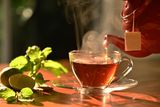
How do you take your tea? Do you prefer green or black? Cream, sugar, honey? Or maybe just a lemon wedge?
Tea can offer warmth and comfort, as well as delicious flavors. But, according to a new journal review Research on beverage factories, tea can also provide many health benefits. Does this mean you should start increasing your tea intake?
The same study warns that drinking tea could be a double-edged sword and that while it has benefits, there are also some risks to watch out for.
Learn more: Brewing tea removes lead and other heavy metals from water
Health Benefits of Drinking Tea
According to the review, green tea may provide many health benefits, including preventing obesity, diabetes, certain cancers, and even cardiovascular disease (CVD). Some teas may even have anti-inflammatory effects, reduce muscle loss in older adults, and even provide neuroprotective benefits.
All of these health benefits are likely due to tea’s polyphenol content, primarily catechins. Polyphenols, such as catechins, are compounds found in certain plants and foods, including tea, dark chocolate, fruits and vegetables, according to Health Line. These compounds may act as antioxidants and anti-inflammatories, helping to reduce the risk of diseases such as diabetes, cardiovascular disease, chronic diseases and cancer.
Researchers have found that most of these benefits come from green tea. Although oolong, black, and white teas may offer some health benefits, there is not yet enough research to support these claims.
Negative side effects of drinking tea
When it comes to preventing illness, tea is not a magic cure. According to the review, some teas might actually do more harm than good. There are many types of tea, ranging from loose leaf tea to bagged tea, pre-bottled (ready to drink) tea and bubble tea.
According to the study, the brewing and bottling processes, including storage, of ready-to-drink teas can remove beneficial compounds such as catechins, thereby significantly reducing the health benefits of the tea. Compared to traditionally brewed teas, many ready-to-drink teas and bubble teas also contain added sugars and preservatives.
“Another concern is the presence of sweetening agents (sucrose, high-fructose corn syrup, or sugar substitutes) and other additives to maintain color, extend shelf life, and enhance flavor and taste,” the author wrote in the journal.
Other hidden dangers of tea
Besides sugary additives and processing, a negative health consequence of tea can start at the source. Tea growers may use pesticides on their tea leaves to prevent insects and other pests from destroying their crops. Unfortunately, according to the study, it is possible for pesticide residues to remain on the tea leaves.
The review authors looked at a 2015 study in Human and ecological risk assessment: an international journal, which “reported that, of the 223 Chinese tea samples analyzed, 198 samples contained pesticide residues and 39 samples had residue levels exceeding the European Union (EU) maximum residue limits.”
In addition to traces of pesticides found on the tea, the study also noted that some teas contained traces of heavy metals such as lead and aluminum, likely from contaminated water or soil in the growing area. However, the authors note that while these traces of heavy metals raise concerns, they do not pose a significant health risk to occasional tea drinkers.
Finally, one of the other concerns highlighted by the study is the amount of microplastics found throughout the tea process, from cultivation to bagging or bottling. Plastic bottles can leach microplastics into tea, and adding a plastic tea bag to boiling water can also cause tiny plastic particles to leach into the drink.
Overall, the review authors say the health benefits are clear; however, it is how the tea is consumed that matters. Sticking to traditional loose leaf teas without additives or using non-plastic tea bags can help keep some of these harmful factors out of your tea.
More research is needed to better understand the health benefits and risks of tea consumption.
This article does not offer medical advice and should be used for informational purposes only.
Learn more: Does Bubble Tea have health benefits?
Article sources
Our Discovermagazine.com editors use peer-reviewed research and high-quality sources for our articles, and our editors review the articles for scientific accuracy and editorial standards. See the sources used below for this article:


