The Artist Who Showed How Plants and Insects Relate


Explore
FRom approximately in the 15th in the 19th century, most European botanical collectors and artists experienced the Americas through seeds and specimens carefully brought back from scientific trips. But some have traveled to meet plants in their natural habitats. One of these artists was Maria Sibylla Merian. Merian was born in Frankfurt, where his stepfather, the artist of the dead life Jacob Marrel, taught him to paint flowers with watercolor. In addition to this artistic education, Merian has developed a lasting interest in entomology. Between 1679 and 1683, she published two volumes on the life cycle of insects, the product of careful study years.
In 1665, Merian lived in Amsterdam. The Holland of the 17th century was a great colonial power and Amsterdam its rich and commercial heart. The ships arrived daily in the city, transporting plants and animals from the Americas, Asia and Africa – Cargo which fueled the search for researchers wishing to collect and classify new specimens.
Merian visited their collections of natural curiosities and “saw with Wonderment the beautiful creatures brought back from the East and the Antilles,” she wrote later in her beautifully illustrated book, Metamorphosis insectorum surinamensium (Suriname insect transformations).
But the specimens preserved could not advance the understanding of insects by Merian: she needed to see them in their natural habitat. In 1699, she put her sails to the Dutch control, on the northeast coast of South America. In Suriname, Merian studied insects and plants in the garden of his house in Paramaribo, in the Dutch slave sugar plantations, and in tropical forests “densely invaded by thistles and thorny bushes”. Although her main interest in plants is as food sources for insects, she noted their medicinal and culinary uses and potential as building materials. Other Dutch settlers did not share this approach – they could not tell Merian the “name or property” of a plant that grows in his garden and has fun “looking for other things than sugar in the country”.
ADVERTISEMENT
Nautilus members benefit from experience without advertising. Connect or join now.
Instead, Merian relied on the aid and knowledge of the Aboriginal population of Suriname. By studying the specimens they provided to her, she described how they used plants as medicines, food and insectives. She has also documented the botanical knowledge of enslaved African workers and the terrible conditions they have endured.
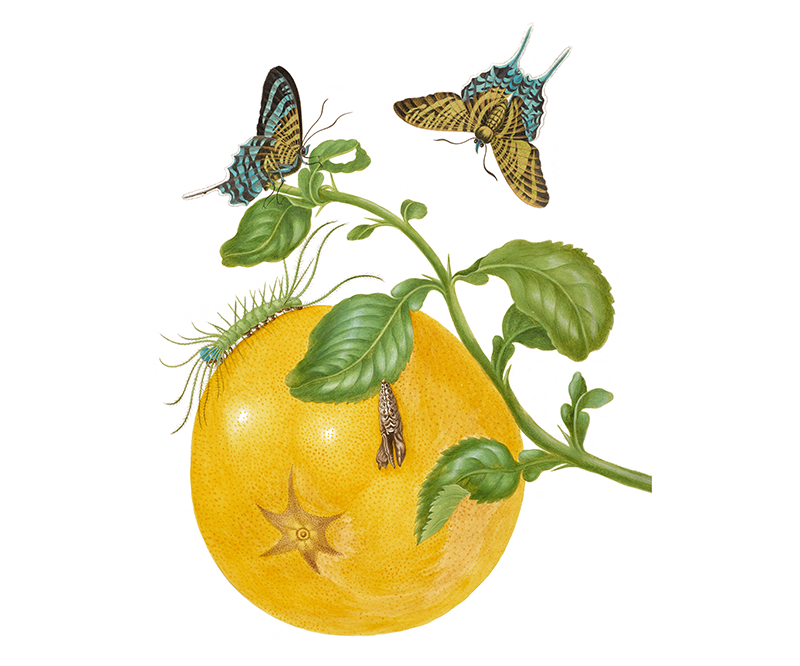
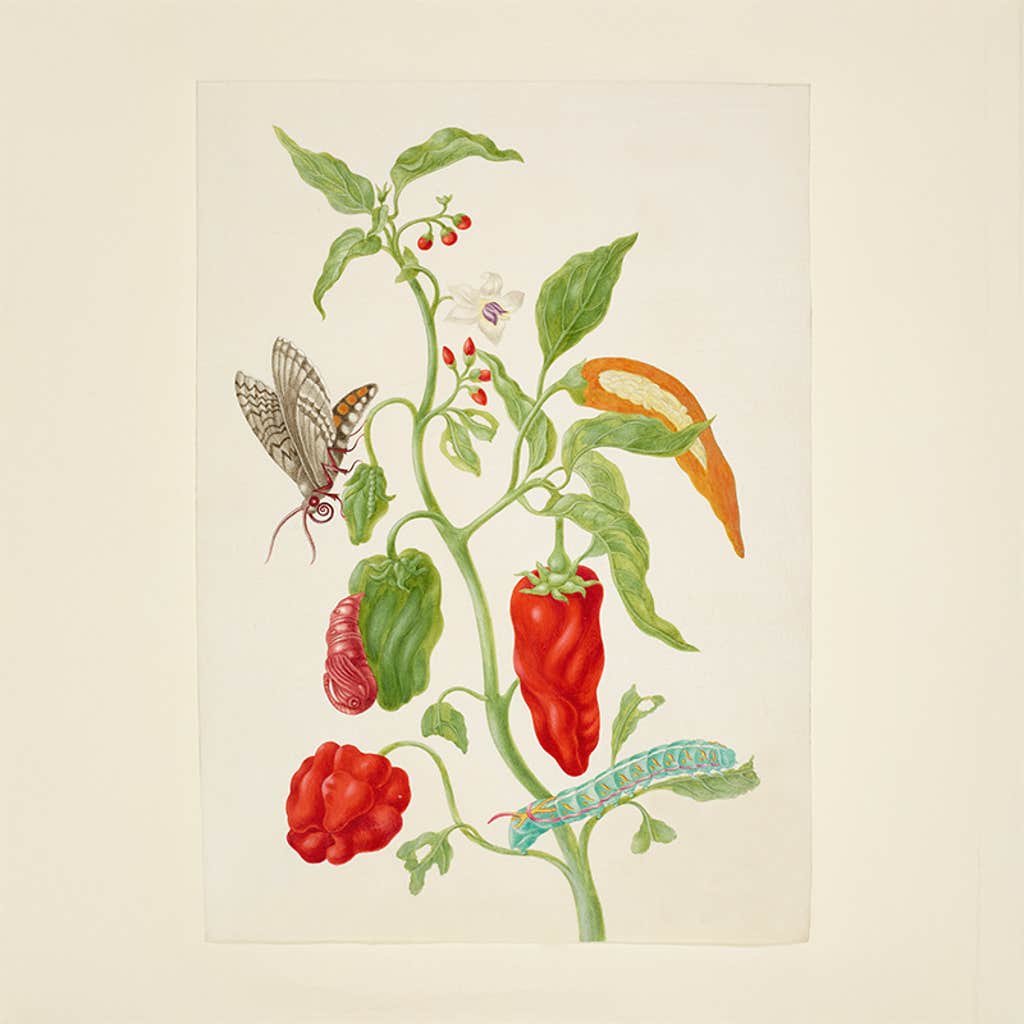
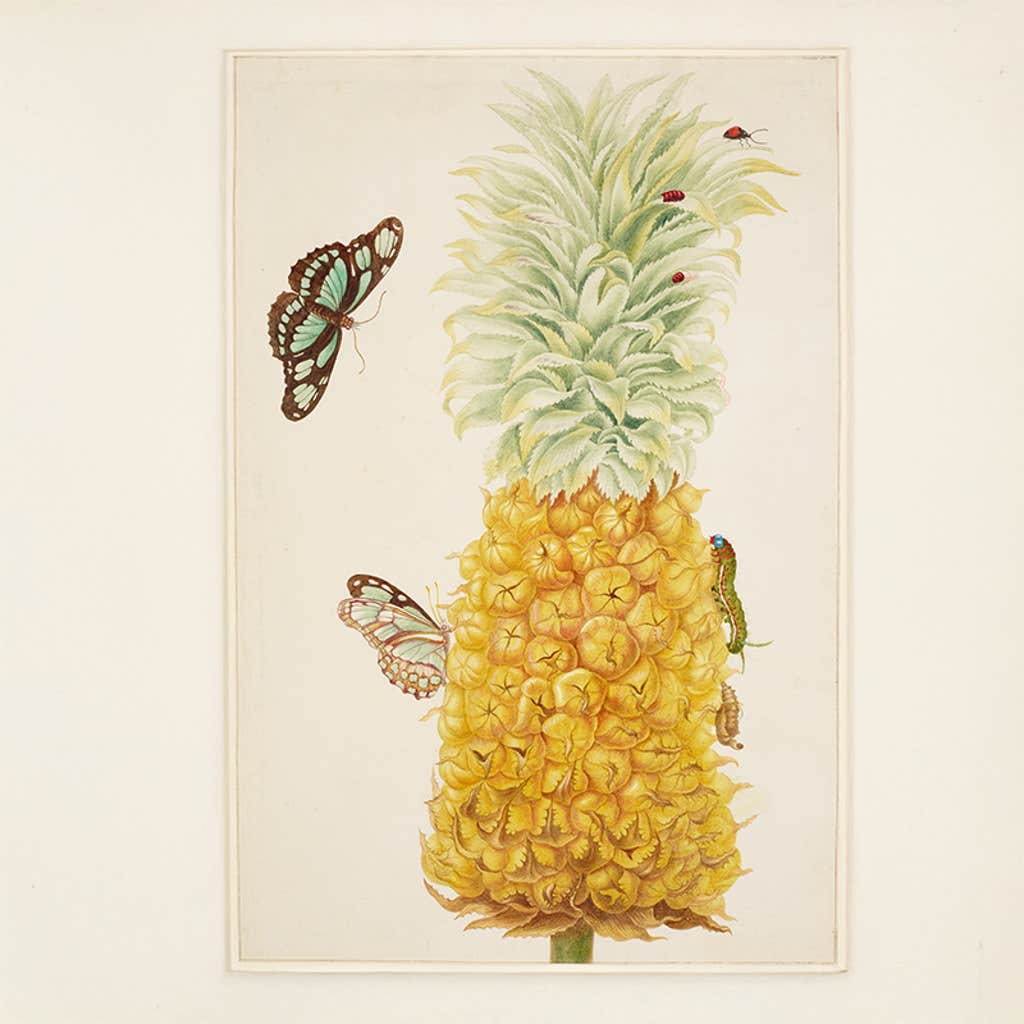
But Merian also benefited from enslaved work: when entering an expedition to the tropical forest, she sent her “slaves with an ax in hand,” she wrote, to hack a path through the dense undergrowth. After having contracted a weakened disease – possible malaria – the Merien returned to Holland in 1701, responsible for specimens, notes of land and sketches. She worked her research on her book Metamorphosiswhich was published in 1705 in Amsterdam. Merian’s manual illustrations have shown that insects interacting with plants that supported them – an innovative approach because flora and fauna were generally illustrated separately.
ADVERTISEMENT
Nautilus members benefit from experience without advertising. Connect or join now.
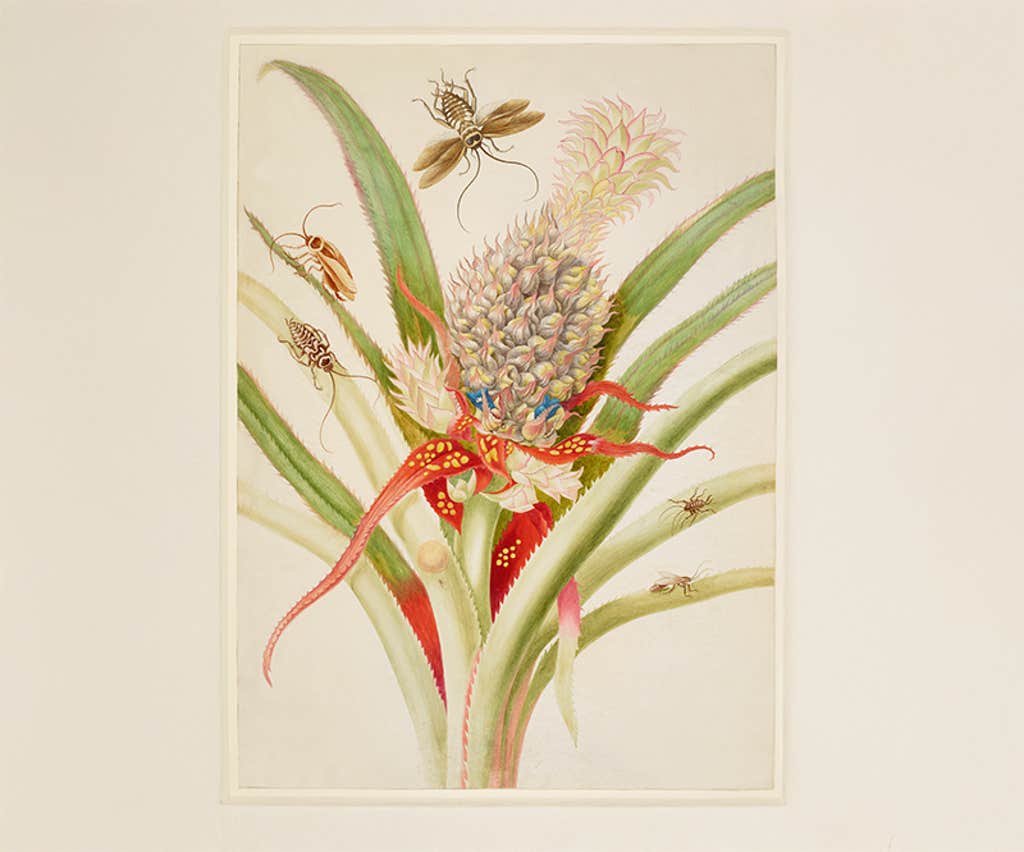
It is easy to imagine the excitement felt by a reader of the 18th century which crosses the Metamorphosis. The pleasure of Merian with the plants she met is tangible in her work: in the whirling tears of a passion, the incredibly lively colors of the banana branch, the waxy brightness of the skin of the watermelon and the description of the way in which his flesh “melted in the mouth like sugar”.
In addition to these published illustrations, Merian produced at least two luxury versions. The whole in the royal collection was perhaps presented to George III, then the Prince of Wales, in 1755. The pioneering representation of Merian of the interconnected relationship between plants and insects had a lasting impact on the way the others illustrate the natural world.
Extract Botanics from the Royal CollectionWritten by Alice Alder, assistant curator of prints and drawings at Royal Collection Trust. Available from Royalcollectionshop.co.uk And Royal Collection Trust Shops, and all the good bookstores.
ADVERTISEMENT
Nautilus members benefit from experience without advertising. Connect or join now.