
September 26, 2025
Emmanuel Macron’s hand-picked prime minister is showing few signs of wanting to compromise, as corporate interests revolt against talk of new taxes.
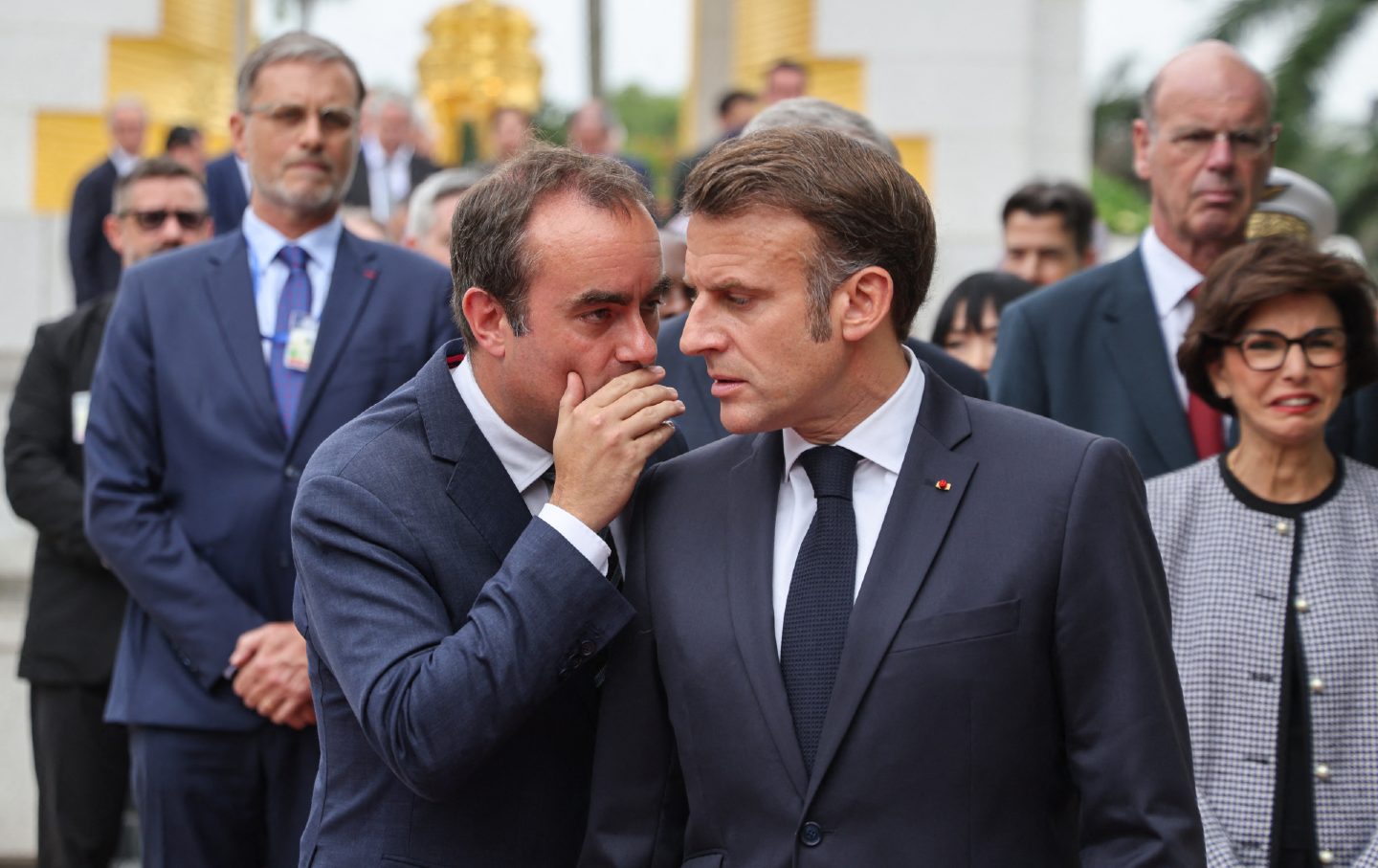
Prime Minister Sebastien Lecornu is making little progress in his attempt to stitch together a 2026 budget in France’s fractious parliament. Lecornu, who has yet to form a government more than two weeks after his nomination, held another meeting on September 24 with leadership of the main French trade unions. Yet the premier appears unwilling to make substantive concessions to the left on taxation and social policy. That will likely complicate the premier’s efforts to pass a budget with the support of the Socialist Party, a crucial pivot bloc in the lower house.
“The prime minister has given no clear response” to the demands from unions, Marylise Leon, first secretary of the center-left CFDT, told reporters following Wednesday’s talks. “We’ve already gone twice [to speak with Lecornu] in 10 days and he had nothing to say to us,” Sophie Binet, leader of the left-wing CGT, said on France 2 later that same evening, referring to the two rounds of talks with the head of government since his mid-September appointment.
Union leadership can point to a groundswell of popular support as they bargain for a fiscal compromise that includes taxation on the ultra-wealthy and the protection of public services. After a successful day of marches and strikes on September 18, when between 500,000 and a million protesters took to the streets in cities and towns across the country, the unions hope to again turn up the pressure with a new day of action on October 2.
President Emmanuel Macron tapped Lecornu as PM on September 9, the day after the ouster of François Bayrou’s government. Yet the new premier is on no firmer ground than his predecessor, as he seeks to preserve Macron’s pro-business agenda and win support for a cost-cutting 2026 budget. France’s centrist bloc is warning that the country is on the cusp of a fiscal crisis, with a budget deficit expected to reach 5.4 percent of GDP in 2025 or higher—the current record in the eurozone. Yet, with just over 200 MPs, the minority coalition is well below the 289 votes need for a majority in the National Assembly.
Current Issue
In the last two weeks, Lecornu’s focus has been on reaching a “non-censure” agreement with the center-left Parti Socialiste (PS), to allow his coalition to pass a budget. In exchange, the Socialists—pegging their demands to those coming from union leadership—want new taxation on large fortunes and high-income earners, a smaller package of spending cuts coupled with state investments, and a retreat on the increase in the pension age enacted in 2023 over the heads of stiff public opposition.
Socialist MP Arthur Delaporte told The Nation: “We’ve laid out our terms clearly and we intend to see that they are respected, whether on the topic of fiscal justice and protecting the working classes or on retirement reform. We also refuse to sign up to anything that cedes even more ground to the far right.”
Lecornu’s only concrete concession so far has been to bury Bayrou’s unpopular proposal to do away with two national holidays in order to raise tax and payroll receipts from workers. If he fails to give more to coax the PS, he could try to win the support of Marine Le Pen and her far-right bloc. Yet Macron’s crippling unpopularity acts as a constant deterrent to all the opposition forces.
The Parti Socialiste is eager to keep its bases covered and not be seen going out ahead of its base and the parties of the fraying Nouveau Front populaire, the progressive alliance that finished in first place in the three-way summer 2024 snap elections. Without the backing of the centrist CFDT, for example, it would be politically devasting for the PS to be seen propping up the Macronist center.
La France Insoumise (LFI), the left-wing party headed by Jean-Luc Mélenchon and the PS’s chief rival, is counting on popular protests to dissuade the center left from extending a lifeline. “We can’t have such a short memory,” Danièle Obono, an LFI MP from Paris, told The Nation. “Trinkets in the form of retirement tweaks? They already tried that last spring, and it went nowhere. And now, a tax on high revenues? If it’s part of a financing package that increases medical charges and that on aggregate is an austerity budget… well I’m sorry, but I’d call that a smokescreen.”
The PS opted to not censure Bayrou in early 2025, thanks to his agreement to hold a negotiation on the pension system with union and corporate representatives. The meetings yielded no changes to Macron’s unpopular 2023 reform drive.
The most intransigent voices on the left are likely right to expect little from Lecornu. In recent weeks, corporate France has once again gone in for full mobilization to protect the pro-business largesse that has been the hallmark of Macron’s presidency—and that have played a not negligible role in the country’s growing fiscal bind. Lecornu is eager to appear as an earnest negotiator. But there is likely little daylight between Macron and his new premier, who has served in each Macronist government since 2017.
Even the whiff of a rapprochement between Lecornu and the Parti Socialiste has provoked a wave of recrimination in French corporate circles.
Leading the charge is Bernard Arnault, the luxury goods magnate who owns LVMH. In an interview with The Sunday Times, Arnault, France’s wealthiest man, shot back against growing calls for taxation on the ultra-wealthy. Referring to a widely popular proposal to impose a 2 percent annual levy on fortunes valued above 100 million euros, Arnault argued that it “aims to destroy the liberal economy, the only one that works for the good of all.”
The MEDEF, France’s leading corporate lobby, has called for a rally in Paris on October 13, part of a full court press to keep Lecornu and his coalition in tow. It is no doubt also intended to send a message to Marine Le Pen’s Rassemblement National. The far right could stand to gain most from new snap elections, but if it voted for another chaotic government collapse, that could strain its efforts to win the confidence of corporate elites.
Popular
“swipe left below to view more authors”Swipe →
With friends like that, what’s there really to be gained from bailing out Macron’s camp? “The French public wants two things,” said Delaporte. “People are asking us for stability. They’re also telling us to not give ground on anything. We need to arbitrate between these two contradictory demands.”
But that argument is having a hard time convincing the Parti Socialiste’s erstwhile partners. “For the millions of people who are struggling today, who aren’t able to make ends meet, I don’t think that stability is something that really interests them,” Obono rebuffs. “Today, what does ‘stability’ mean? It’s the continuation of the social and economic violence of the Macron era.”
Don’t let JD Vance silence our independent journalism
On September 15, Vice President JD Vance attacked The Nation while hosting The Charlie Kirk Show.
In a clip seen millions of times, Vance singled out The Nation in a dog whistle to his far-right followers. Predictably, a torrent of abuse followed.
Throughout our 160 years of publishing fierce, independent journalism, we’ve operated with the belief that dissent is the highest form of patriotism. We’ve been criticized by both Democratic and Republican officeholders—and we’re pleased that the White House is reading The Nation. As long as Vance is free to criticize us and we are free to criticize him, the American experiment will continue as it should.
To correct the record on Vance’s false claims about the source of our funding: The Nation is proudly reader-supported by progressives like you who support independent journalism and won’t be intimidated by those in power.
Vance and Trump administration officials also laid out their plans for widespread repression against progressive groups. Instead of calling for national healing, the administration is using Kirk’s death as pretext for a concerted attack on Trump’s enemies on the left.
Now we know The Nation is front and center on their minds.
Your support today will make our critical work possible in the months and years ahead. If you believe in the First Amendment right to maintain a free and independent press, please donate today.
With gratitude,
Bhaskar Sunkara
President, The Nation
More from The Nation

A bitterly divided democratic camp, a constitutional setup with few guardrails and a surging extreme right spell trouble ahead for Britain’s political institutions.
Luke Cooper
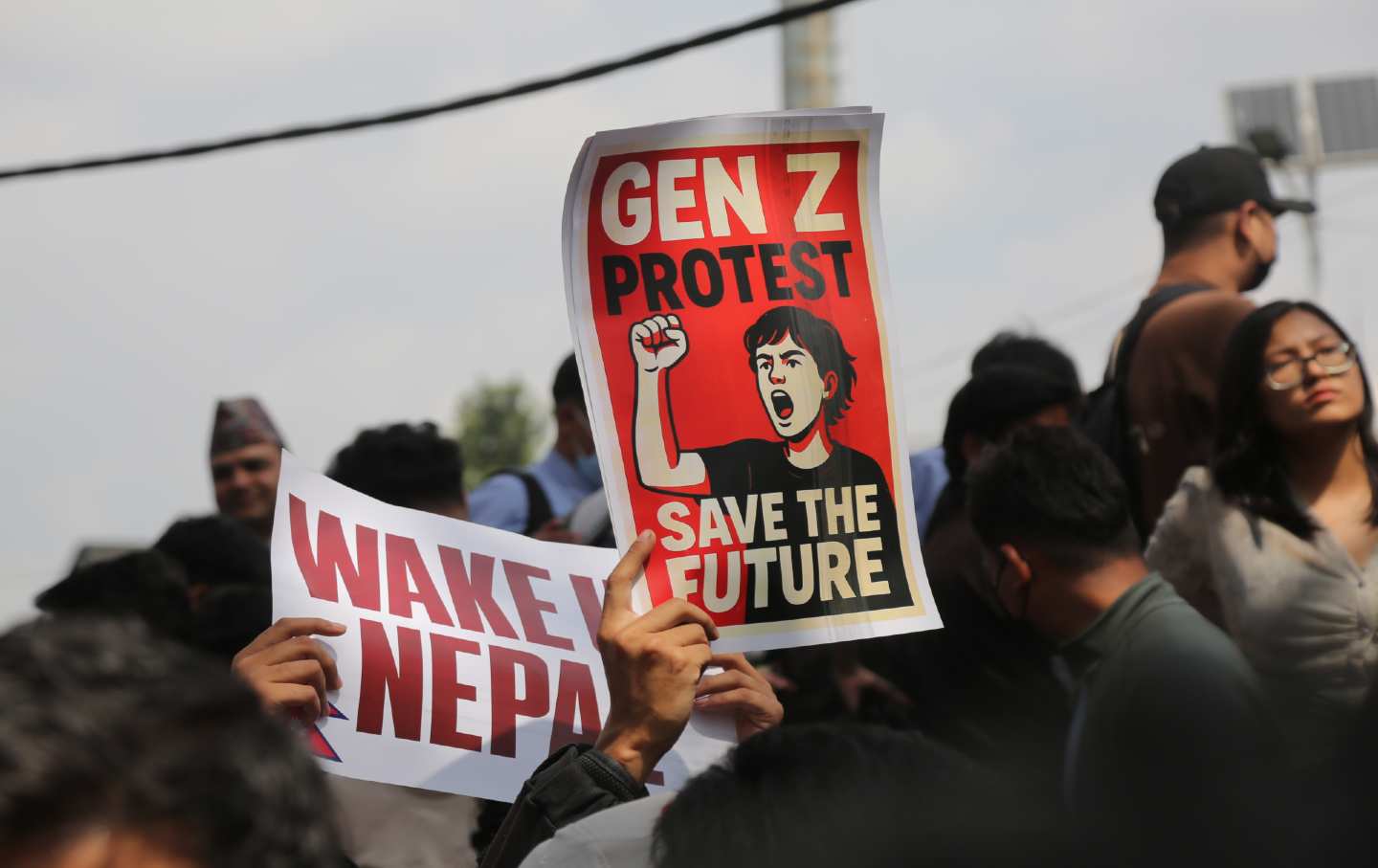
The country’s Gen Z uprising illustrates both the promise and limitations of online-brokered protest
Corey Pein
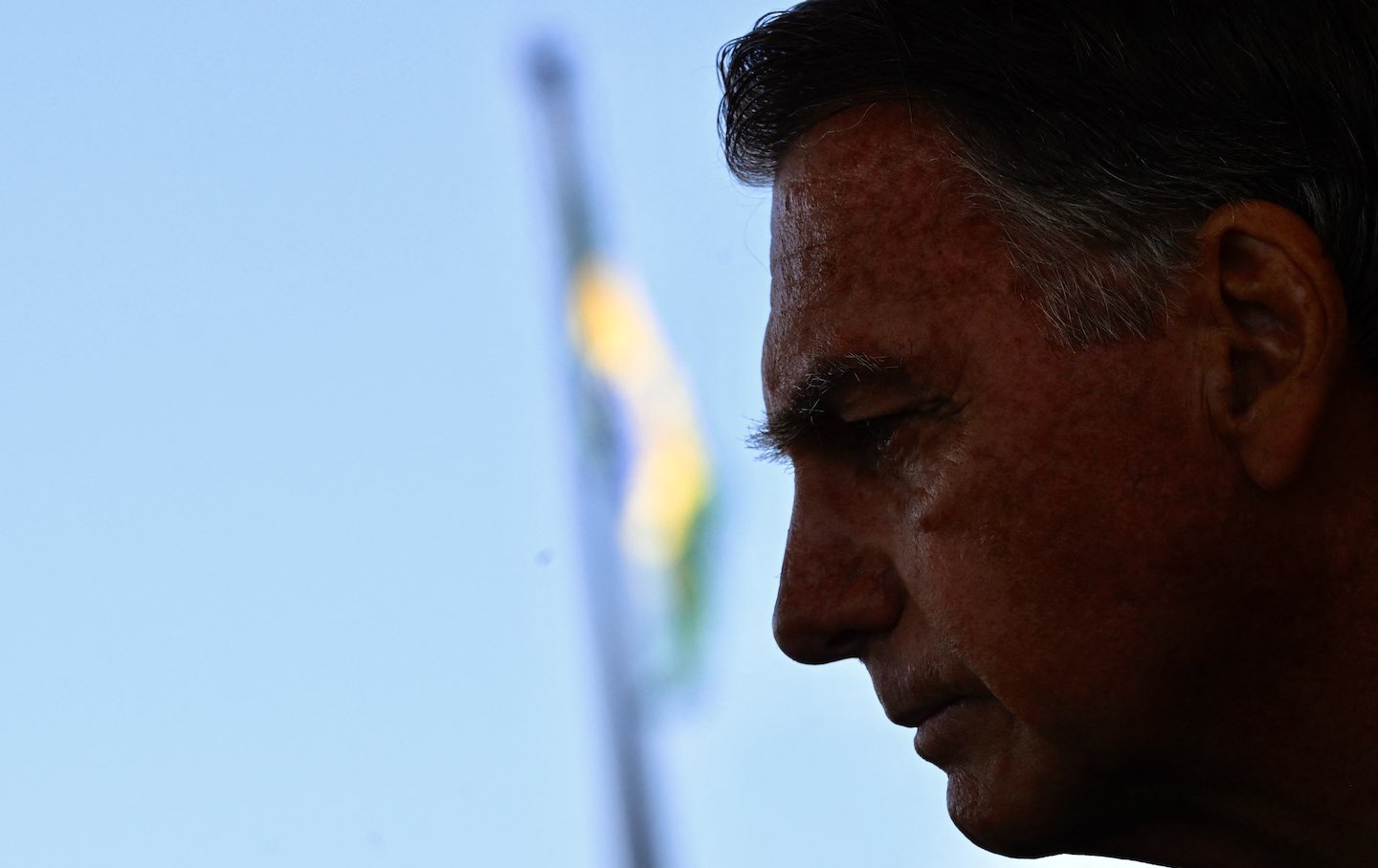
Minister Cármen Lúcia Antunes Rocha cast the deciding vote, defying the extreme right’s misogyny and sending a strong message to Bolsonaro ally US President Donald Trump.
Nicole Froio
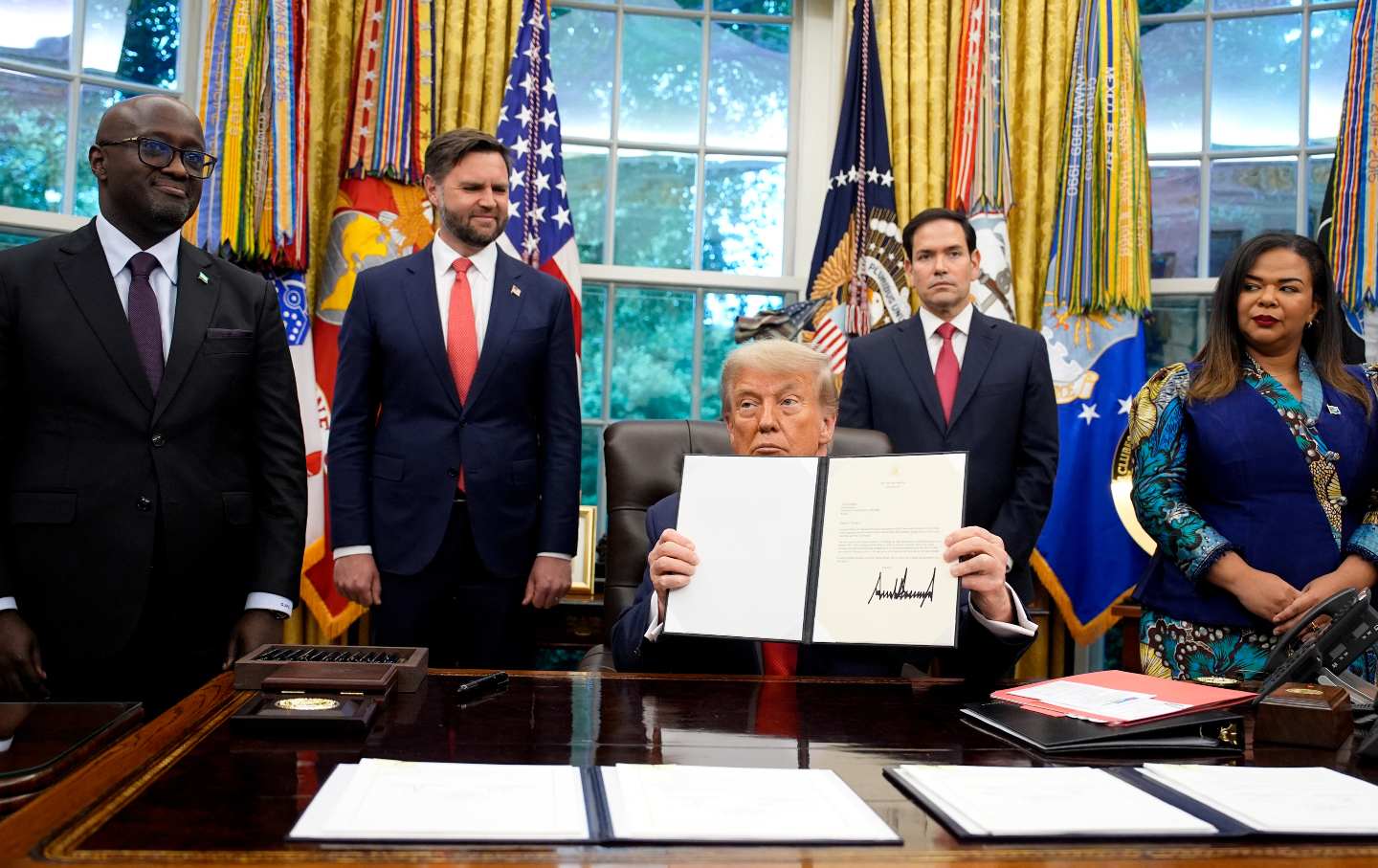
The conflict in the Congo is one of the deadliest crises in the world, but many worry that Trump’s interest in the region emphasizes deals for US investors over lasting peace.
StudentNation
/
Hannah Epstein


