The oceans may contain much, much more plastic than previously thought


In the oceans, the most common type of plastic pollution can be the kind you cannot see.
A new study published Wednesday in the journal Nature estimates that the North Atlantic Ocean alone contains 27 million metric tonnes of nanoplastic particles – plastic 100 times smaller than the width of human hair. This figure is 10 times higher than previous estimates of plastic pollution of all sizes in all the oceans of the world, according to the authors of the study.
Research represents one of the first attempts to quantify marine nanoplastic pollution; Previous efforts have been limited by limitations of detection technology. The study suggests that the mass of nanoplastics in the North Atlantic is greater than that of their much larger counterparts, microplastics and macroplastic. Microplastics vary in width between 0.001 millimeters and 5 millimeters, which makes them up to 5 million times larger than nanoplastics. Macroplastics are even larger.
Helge Niemann, researcher at the Royal Netherlands Institute for Sea Research, professor of geochemistry at the University of Utrecht, and one of the authors of the study, said that the results concerning marine biology and human health. Nanoplastics are “not conducive, in general, for life,” he told Grist. He pointed out that the results of the study are limited to the North Atlantic, but said that it was “probably the case” that nanoplastics are also widespread in other oceans.
Studies suggest that nanoplastics cause inflammation of living cells when ingested, although it is not clear if it is because of the particles themselves, plastic chemicals that they can release or pathogens that they collect while floating in the environment. Due to their small size, nanoplastics can more easily cross organic membranes than their larger counterparts.
Tracey Woodruff, reproductive health and environment teacher at the University of California in San Francisco, who was not involved in the new research, said that nanoplastics are linked to many of the same health risks as microplastics. In animals, these are reproduction problems, intestinal problems and colon and lung cancer. Microplastics are also bioacum, which means that they go up in the food chain because the largest animals eat smaller ones.
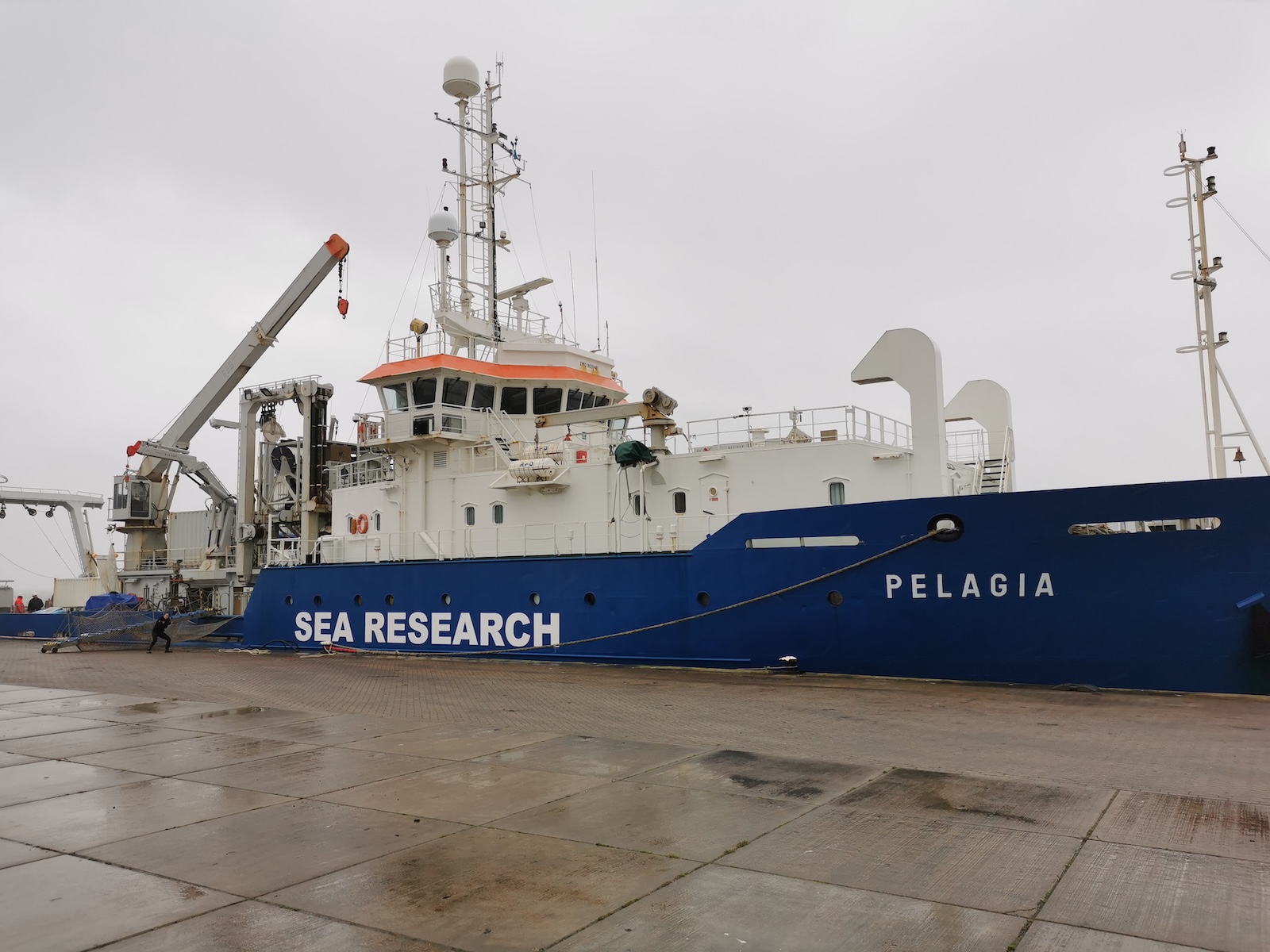
With the kind authorization of Nioz
“Our hypothesis is that … nanoplastics could travel more widely in the body than microplastics, and could therefore have more negative health consequences,” said Woodruff. It is also possible that future research discover that nanoplastics are present in the human body at concentrations even higher than microplastics.
The study authors obtained their data during a research cruise in 2020. They collected water samples at 12 locations of variable depths across the North Atlantic Ocean. Five samples were taken inside the North Atlantic gyre, one of the five circular ocean currents in the world which has become famous for its “garbage patch”, a huge collection of plastic waste and other waste.
The researchers examined the nanoplastic concentrations at three different depths at each location: a layer only 10 meters below the surface, an intermediate layer 1,000 meters deep and 30 meters above the seabed. Back in the laboratory, they used a new type of mass spectrometry – an analysis that can identify different types of plastic – to distinguish three polymers. Polyethylene or pet orrephtaplate, the type of plastic used in water bottles, was the most widespread at each depth, followed by polyvinyl chloride, used in water pipes, padding, children’s toys and other products; And polystyrene, used in plastic foam.
Overall, the nanoplastic concentration was the highest of the surface to 18 milligrams per square meter and the lowest near the seabed at around 5.5 milligrams per square meter. The researchers suspect that this distribution is due to the deterioration of larger pieces of plastic which are suspended near the surface, which can flow slowly unless the transport down by, for example, the animals that have eaten plastic and then died.
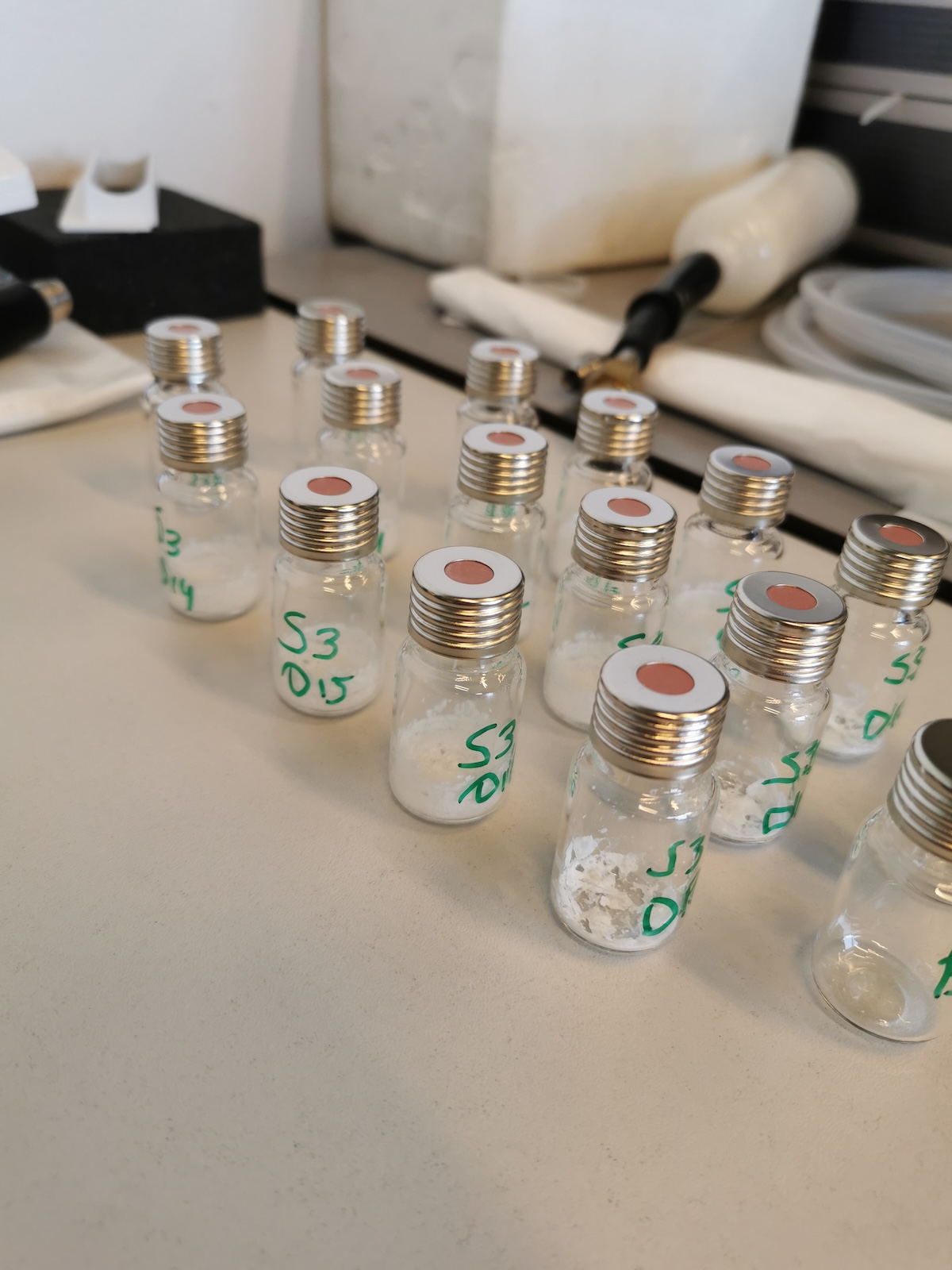
With the kind authorization of Nioz
Eighteen milligrams per square meter may not seem much. But, it is the equivalent of containing seven mosquitoes in a box of 3 feet per 3 feet, assuming that each mosquito weighs approximately 2.5 milligrams. Multiply this by the vast volume of an ocean, and you find yourself with a lot of plastic.
“I would say as a toxicologist that if you see something in the micrograms per liter in the outdoor ocean, it is a fairly high concentration,” said Martin Wagner, professor of biology at the Norwegian University of Sciences and Technology that was not involved in the study.
Wagner warned that the major extrapolation of the study – that there are 27 million metric tonnes of nanoplastics in the North Atlantic, more than the weight of 26,000 Eiffel rounds – is based on “very few samples”. However, Wagner said it was logical that there is an exorbitant quantity of nanoplastics given the high volume of larger plastic fragments that are found in the oceans each year. According to the United Nations, around 20 million tonnes of plastic enter each year in aquatic ecosystems. This includes lakes, rivers and streams, as well as the oceans, but for a large part of this pollution, the ocean is the final destination.
“We have mainly threw plastic in the ocean for decades,” said Woodruff. “It does not disappear, it simply decomposes into smaller plastics, so it makes sense that you would find more nanoplastic than macro and microplastics.”
In particular, the type of analysis used by the authors of the study could not detect the two most common plastic polymers in the world: polyethylene and polypropylene, which means that their estimate of global nanoplastics is probably conservative. However, the results of the study could provide more realistic data to researchers who try to model the impacts of the real world and the toxicity of nanoplastic pollution.
Niemann said more research is needed on nanoplastics, including their prevalence in the world. He recently won a grant to find out what happens to nanoplastics once in the ocean, especially if types of bacteria can decompose them naturally. Trying manually to clean them from the world oceans over 330 million miles of water is “not really a good idea,” he said.
Wagner and Woodruff said that research adds to the set of evidence of evidence supporting the limits of world plastic production – rather than allowing it to triple by 2050, as provided by the United Nations Environment program. World leaders should continue to debate plastic production limits during the next series of negotiations on the UN plastic treaty, which is expected to take place next month in Geneva, Switzerland.
“This strengthens the importance of capping [plastic production]Leave fossil fuels in the ground and look at the alternatives, “said Woodruff.


