The RAMpocalypse has bought Microsoft valuable time in the fight against SteamOS


Vapor evaporated
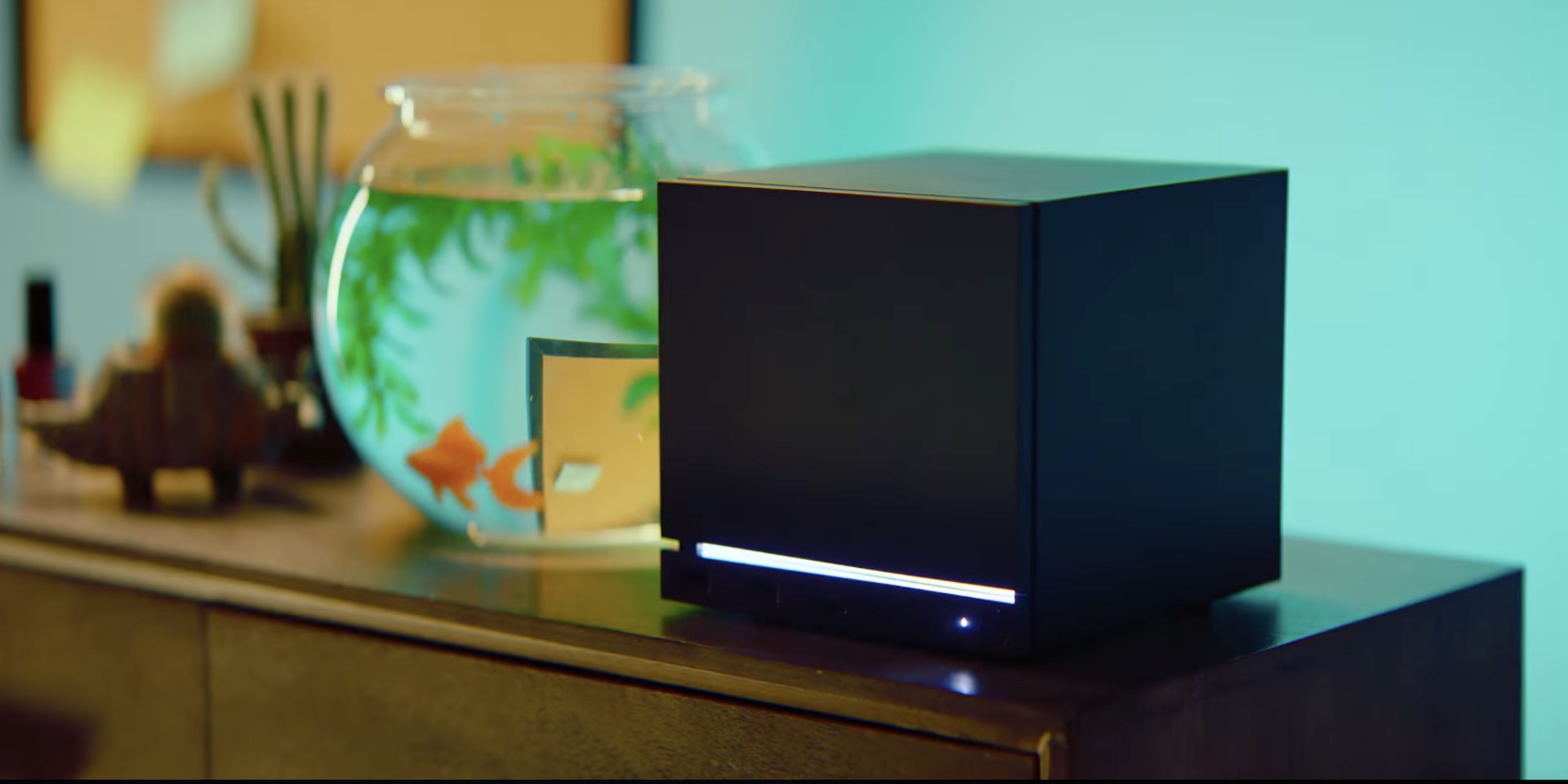
Valve’s Steam Machine was poised to expand on the success of the Steam Deck, but it’s currently in limbo, and so is the Deck.
Credit: Vanne
Valve’s Steam Machine was poised to expand on the success of the Steam Deck, but it’s currently in limbo, and so is the Deck.
Credit: Vanne
But Valve’s drive to compete directly with Microsoft and PC hardware makers is hitting a wall, at least for now: huge cost increases and increased supply for all kinds of PC components, especially memory and storage chips.
The issues that began impacting the PC component market in late 2025 are now being felt across the consumer technology sector. Chipmakers are all chasing the generative AI gold rush, which has an overwhelming need for memory, storage, GPUs, and (increasingly) even CPUs. That means less manufacturing capacity for components going into consumer hardware and more struggles for remaining supply. Prices, which were already pushed up by the Trump administration’s now-illegal tariffs, are now being pushed up by shortages.
This has been especially difficult for anyone trying to make cheap or low-margin hardware. Game console price cuts, already a thing of the past thanks to the death of Moore’s Law, have given way to price cuts hikes instead. Companies like Raspberry Pi and Framework have raised their prices several times this year; even Apple, which has always been able to obtain favorable prices for purchasing components thanks to its size, has encountered problems.
For Valve, these issues not only delayed the Steam Machine indefinitely (“first half” is still planned, giving Valve two months to figure it out), but also made the 4-year-old Steam Deck largely unpurchasable. Third-party handheld manufacturers have raised prices and delayed products indefinitely, removing another potential source of new SteamOS users.
It’s always been difficult to see how the Steam Machine could compete with consoles on price, and that’s probably still true even though consoles now cost a lot more than they did a few years ago. Even if it is do launch, and even if Valve can keep it in stock, it might not be available at a price that most people are actually willing to pay.


