The Supreme Court’s deadline for the mifepristone abortion pill case extended 3 days : NPR

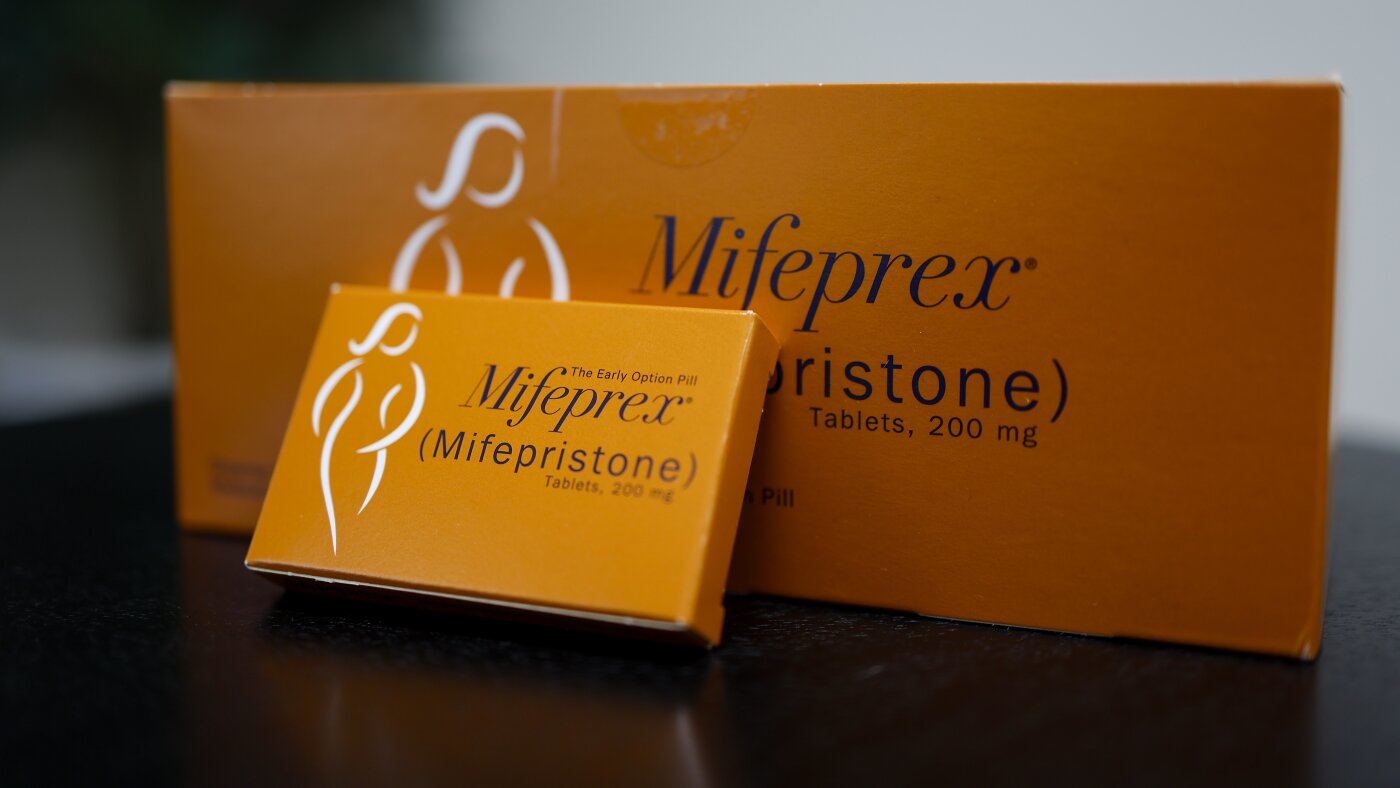

Mifepristone, sold under the brand name Mifeprex by Danco Laboratories, is one of two drugs used in the preferred method of medical abortion and for the management of miscarriages. The company GenBioPro makes a generic version of the drug.
Anna Moneymaker/Getty Images
hide caption
toggle caption
Anna Moneymaker/Getty Images
The Supreme Court on Monday granted itself more time to consider a nationwide ban on telemedicine access to the abortion pill mifepristone.
Justice Samuel Alito extended an earlier order he issued by three days, so the rules for prescribing mifepristone online or by mail remain in effect until at least Thursday.
The case in question
The uproar over the future of telemedicine access to mifipristone began May 1 with a ruling from the 5th U.S. Circuit Court of Appeals. The move restored pre-pandemic prescribing rules that required patients to receive mifepristone in person at a doctor’s office or clinic.

The Food and Drug Administration determined the rule was medically unnecessary in 2021. The state of Louisiana filed a lawsuit last fall, arguing that access to telemedicine undermines the state’s ban on abortion.
What is telemedicine abortion?
The telemedicine abortion process begins with connecting a patient with a healthcare provider over the phone or online. If the patient is eligible, this provider may prescribe two medications: mifepristone and another pill called misoprostol. Patients can pick up medications at a local pharmacy or providers can mail medications to the patient’s home.
This access largely explains why the number of abortions nationwide has increased since the Supreme Court overturned the constitutional right to abortion in 2022. Today, most abortions in the United States use this combination of drugs, and a quarter of them are done via telemedicine.
After the 5th Circuit’s ruling, some providers said they would continue to offer telemedicine access to abortion medications using a different protocol that involves higher doses of misoprostol and not mifepristone.
Researchers say this method is just as safe and effective, but tends to cause more pain for patients and more side effects, like nausea and diarrhea. Misoprostol has other medical uses, such as treating gastric ulcers and bleeding, and has been on the market longer than mifepristone. It is likely that it will remain fully accessible, even if mifepristone is restricted.

Because the FDA’s drug prescribing rules apply nationwide, a change in the rules regarding access to mifepristone has a national impact. That means it affects states where access to abortion is constitutionally protected, states where abortion is banned, like Louisiana, and every state in between.
States rights
Nearly two dozen Democratic-led states submitted an amicus brief in the case, writing that the appeals court’s decision places the policy choices of states that have banned abortion above the choices of states “that have made different but equally sovereign decisions to promote access to abortion care.”
There are also issues related to the power of the FDA and other expert agencies to set rules. Although the Trump administration’s FDA did not respond to the Supreme Court’s request for briefs, a group of former agency leaders, who served under mostly Democratic and some Republican presidents, wrote about it in an amicus brief.
They defended the FDA’s process for approving the drug and changing prescribing rules, and say the appeals court’s decision would “upend the FDA’s science-based and benchmark-based drug approval system.”


