The Tim Cook era: Apple’s most important products from 2016-today


Summary created by Smart Answers AI
In summary:
- Macworld takes a look at Apple’s biggest product launches from 2016 to present, including the iPhone X, AirPods, Apple Watch Series 4, M1 chip, and Vision Pro.
- These innovations transformed smartphone design, wireless audio, health monitoring, Mac performance, and introduced spatial computing to Apple’s ecosystem.
- Key advancements include Face ID technology, the popularization of wireless earbuds, advanced health sensors, the Intel-Apple silicon transition and the $3,499 Vision Pro headset.
On April 1, 1976, three visionaries decided to start building computers in a humble garage based in California. Steve Jobs and Steve Wozniak handled marketing and hardware, while Ronald Wayne briefly helped with administration. Success was then far from guaranteed and Apple Computer Company had to undergo multiple evolutions before achieving its current status as the most influential company.
And it’s not even close to slowing down. In the last 10 years alone, Apple has released one of the most dramatic redesigns of the iPhone, a few revolutionary gadgets, and a ton of other tablet and desktop advancements. Here’s a look at the most notable products released between 2016 and today:
September 2016: AirPods
Roman Loyola/IDG
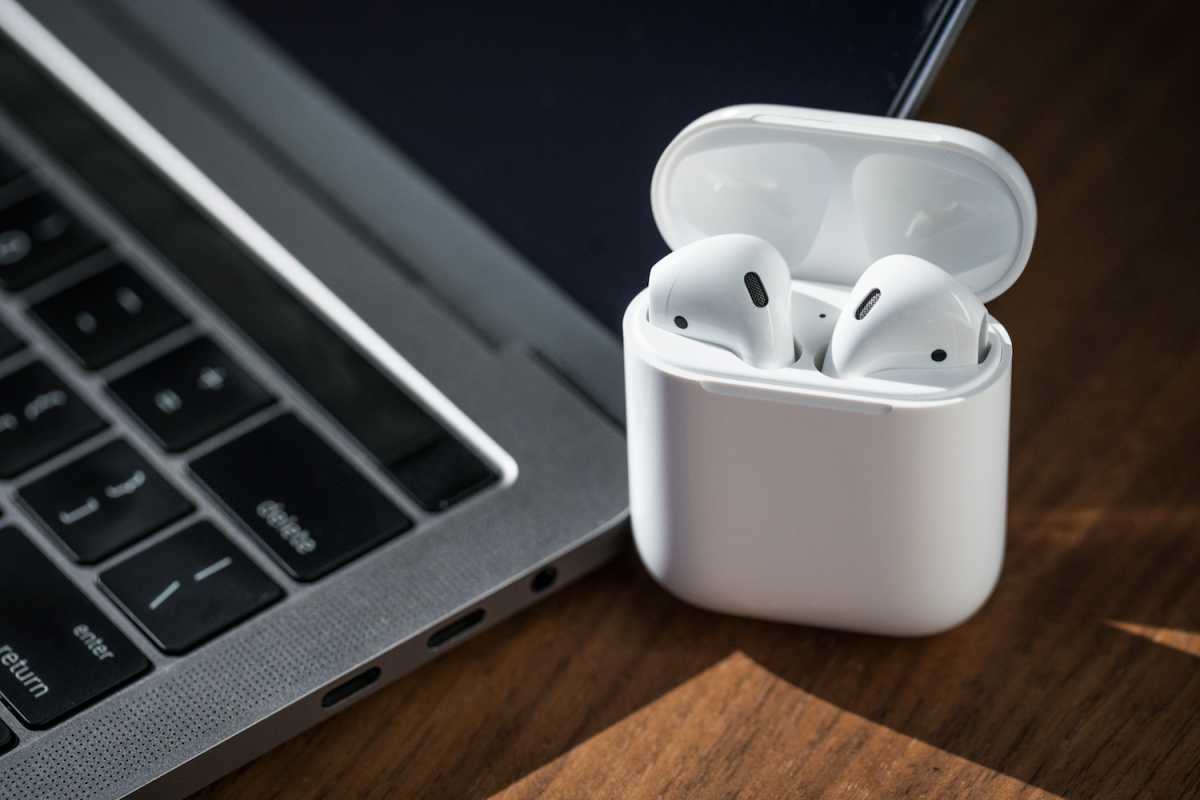
When Apple made the controversial decision to remove the headphone jack from the iPhone 7, it created a problem that needed a solution. Wireless AirPods were so much more than that.
Although they were the butt of several jokes after their debut, AirPods popularized the wireless earphone format, prompting rivals to develop their own copycat models. Apple has since supplemented the lineup with the premium AirPods Pro and over-ear AirPods Max, along with tight ecosystem integrations including hearing protection, spatial audio, Find My, and other practical benefits that contribute to their undeniable popularity.
September 2017: iPhone
Foundry
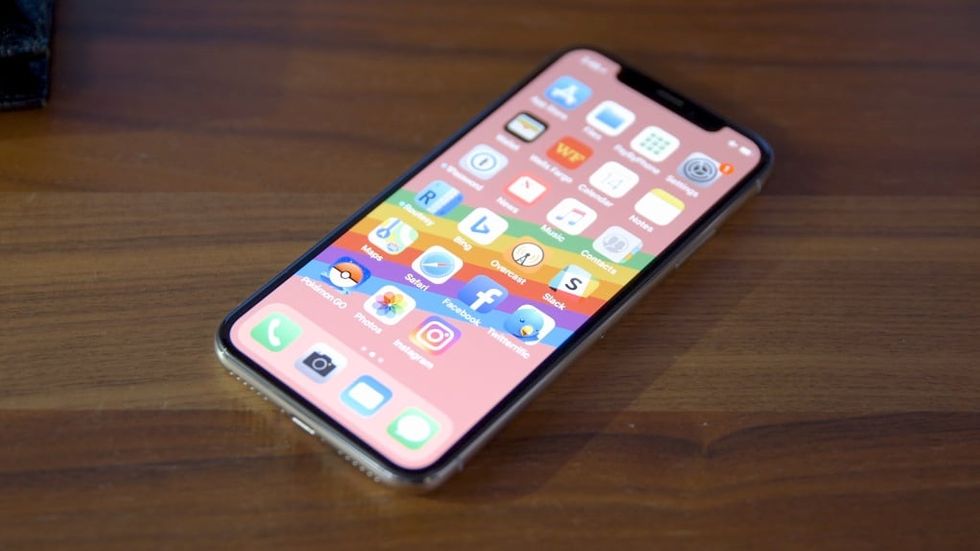
Everyone knew something big was going to happen at the 2017 iPhone event, but no one was ready for Apple to reinvent the phone again. To mark the iPhone’s 10th anniversary, Apple unveiled the iPhone X with a “One More Thing” ad, and it was worth it. The revolutionary redesign removed the classic Home button and thick bezels and made way for Face ID, gesture navigation and the first Liquid Retina display with rounded corners and edge-to-edge aesthetics.
The iPhone has undergone numerous updates since the iPhone X was unveiled, but the impact of all-screen design and multi-touch navigation continues to be felt across all Apple product lines.
September 2018: Apple Watch Series 4
Apple
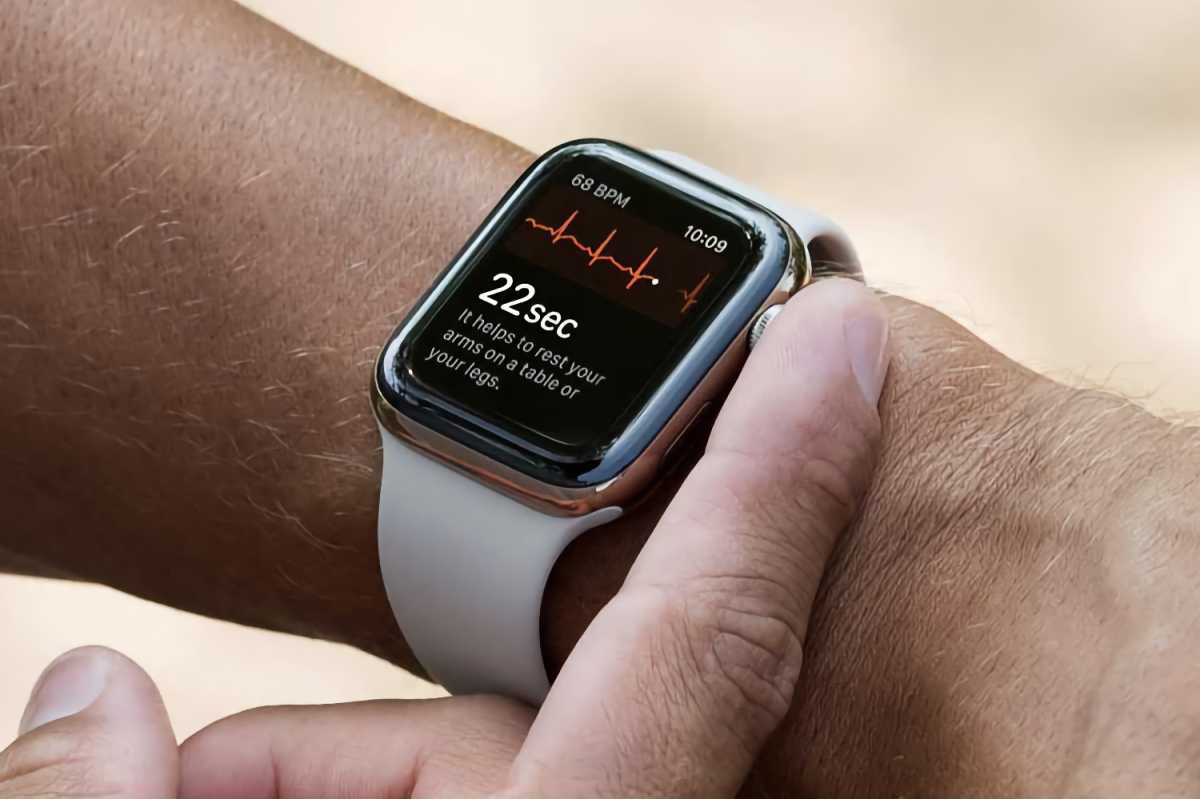
In 2018, the Apple Watch Series 4 debuted, with the first major design overhaul. The smartwatch offered larger size options and a sharper screen with rounder corners and thinner bezels.
But the biggest luck wasn’t the design. Apple Watch Series 4 leaned heavily into health, with a new electrical heart rate sensor, the first ECG sensor, fall detection, the ability to detect atrial fibrillation, and other fitness improvements. The design of the Apple Watch Series 4 still feels fresh today on the SE 3, and the focus on wellness is on full display on the latest Apple Watch Series 11.
October 2018: 3rd generation iPad Pro
Foundry
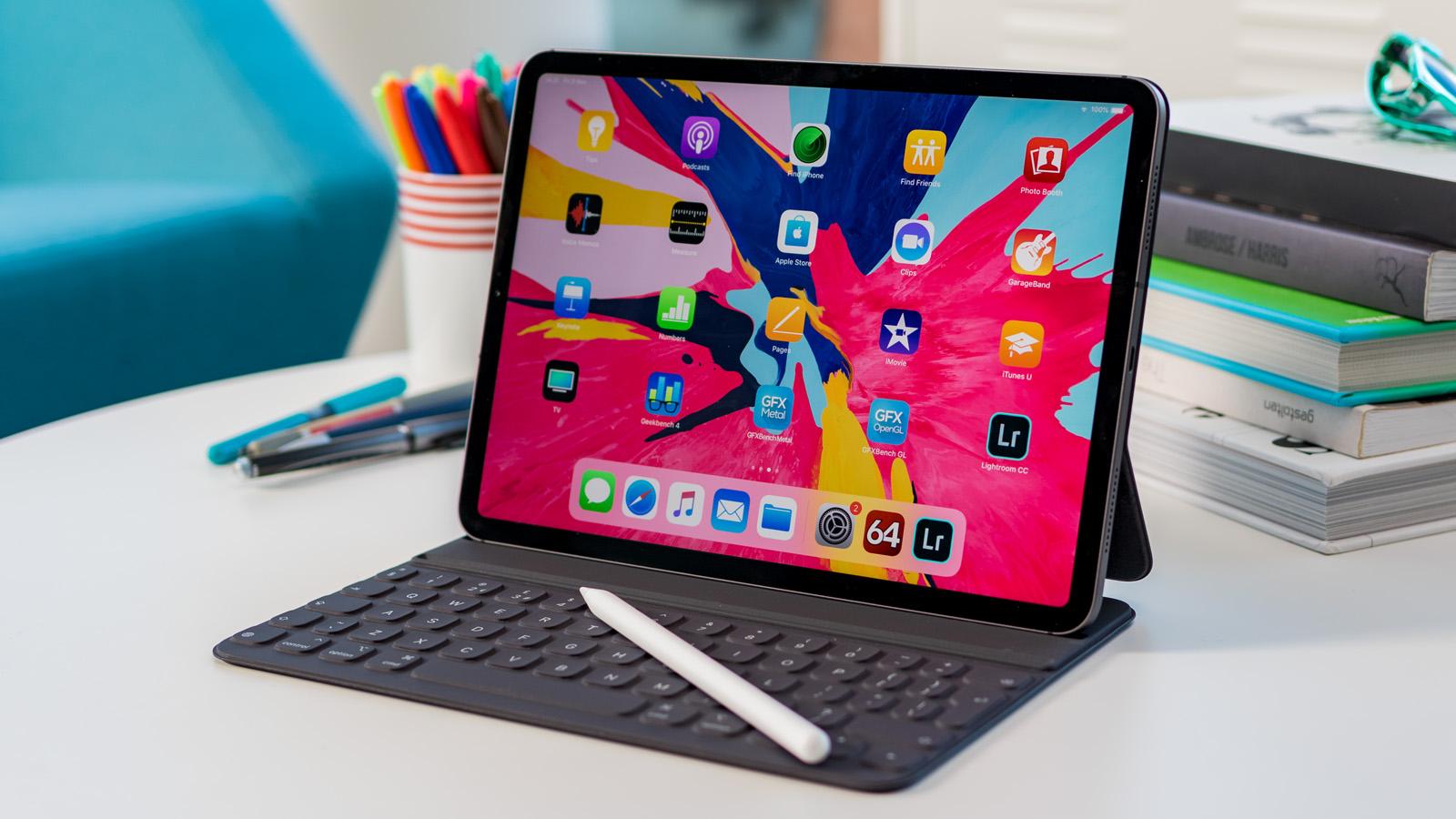
When the first iPad Pro arrived in 2015, it was essentially a larger version of the iPad we already knew. In 2018, it came into its own with a transformative design upgrade.
Smaller, thinner, and breathtakingly beautiful, the 3rd generation iPad Pro marked the start of a years-long tablet overhaul that removed the home button, slimmed down the bezels, and adopted the Liquid Retina display of the iPhone
October 2020: Mac M1
Jason Cross/Foundry
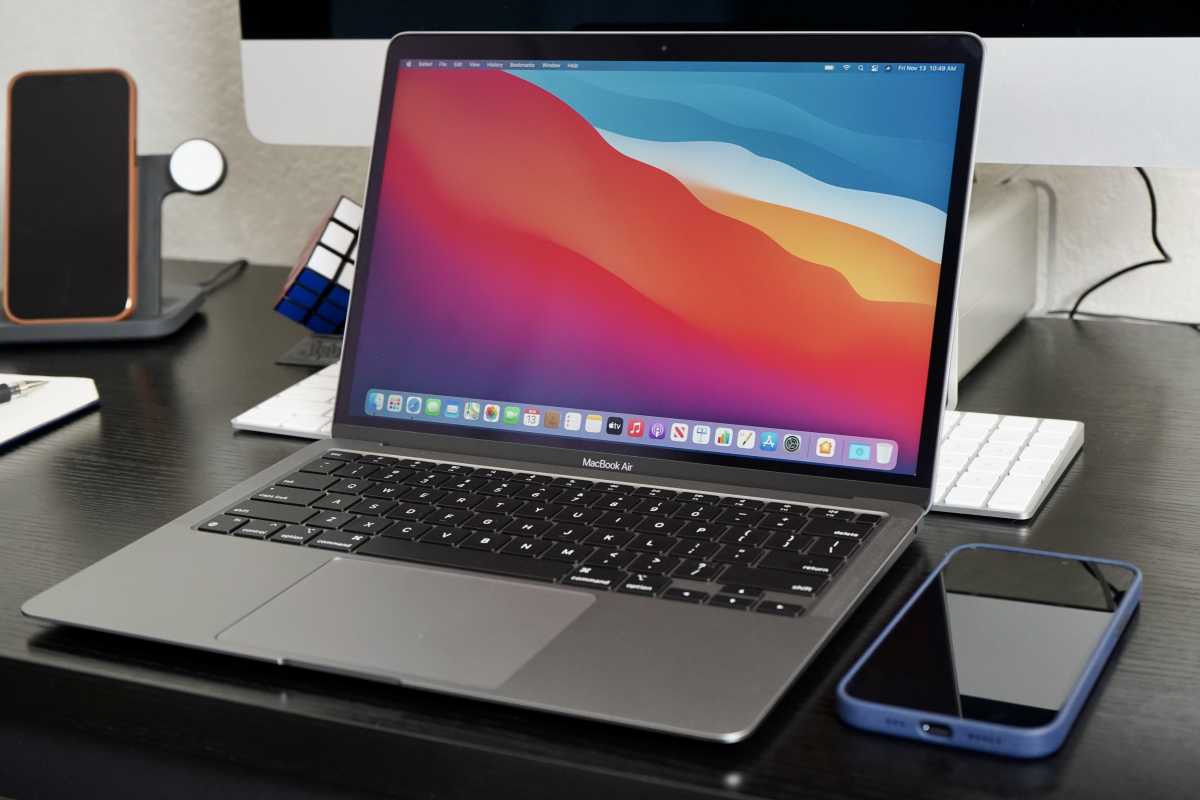
2020 was the year that changed everything for the Mac. While Apple had made processor changes before, the Mac’s transition from Intel chips to Apple silicon wasn’t a simple chip upgrade. This change enabled higher levels of power and efficiency, making Macs significantly more reliable and efficient, and significantly increasing performance and battery life.
Apple launched the M1 chip in three existing Macs – the MacBook Air, 13-inch MacBook Pro and Mac mini – to showcase its raw power. But it wasn’t just speed: Apple silicon also introduced support for iOS apps on Mac and made it easier for developers to optimize their iPhone apps for Mac. Today, M chips can also be found in high-end iPads, unlocking unparalleled capabilities in incredibly thin tablets.
April 2021: AirTag

Foundry
Despite its small size, the launch of the AirTag in 2021 has had a remarkable impact on the way we track our belongings. For just $29, any iPhone user can find the exact location of a tagged item, as long as another Apple user is nearby. With a network of billions of iPhones, the Find My network is the most reliable of its kind, outperforming third-party solutions like Tile and others.
Countless stories have been shared about how AirTag was able to locate lost luggage while traveling, cars, bikes, wallets, and even stolen pets. It may not be Apple’s most sophisticated product, but it’s certainly one of the most valuable introductions of the last decade.
June 2023: Vision Pro

David Price / Foundry
After years of rumors, Apple finally launched its era of spatial computing with the Vision Pro. Announced at WWDC 2023, the headset uses multiple cameras and sensors to map and analyze users’ environments in 3D. It then generates a virtual reality where users can choose the level of immersion.
With visionOS, users can place app windows and floating widgets anywhere in their view, transforming any room into a large digital canvas. While its $3,499 price tag has kept most iPhone users from considering purchasing one, the Vision Pro gives us our first glimpse of Apple’s vision for the future of computing.
March 2026: MacBook Neo
Foundry
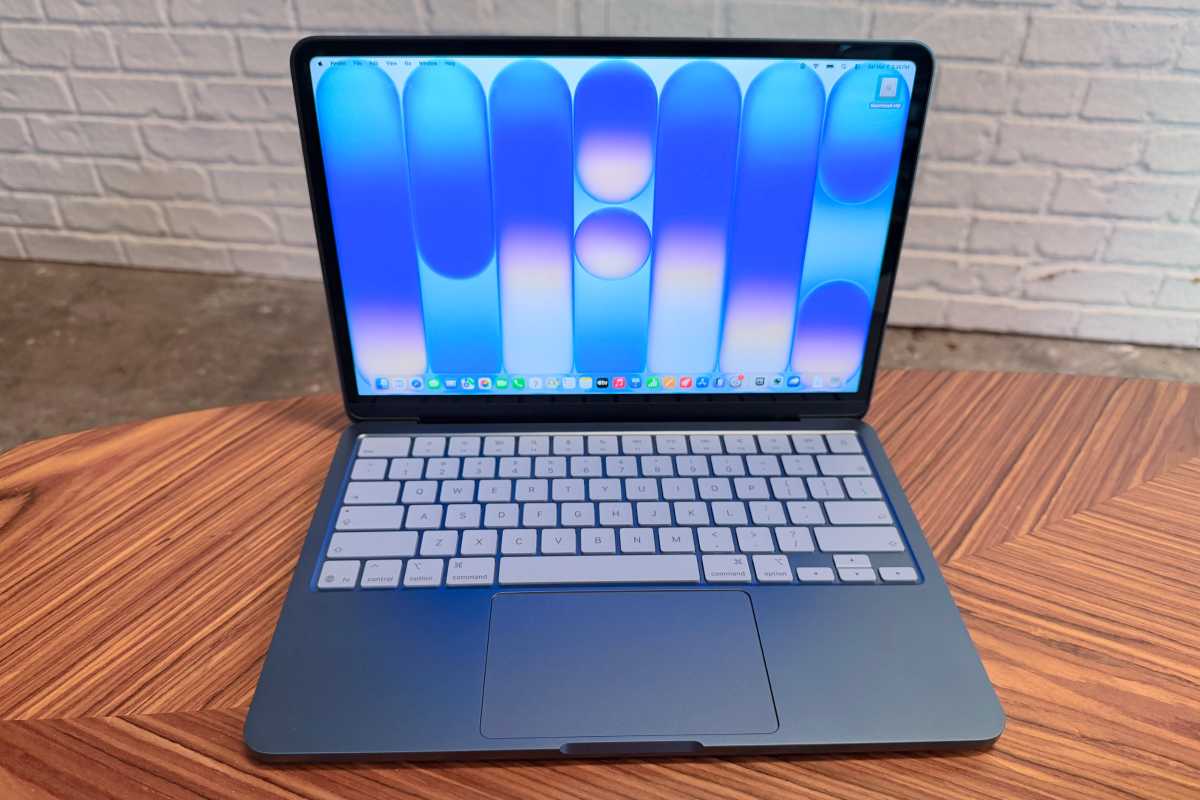
Perhaps the most recent and notable Apple release of the last 10 years is the low-cost MacBook Neo. Starting at $499 for students and teachers, this MacBook is the cheapest and most accessible laptop Apple has ever made.
While some power users will understandably complain about its iPhone A18 Pro chip, the device isn’t for them. This is Apple’s first laptop designed for game changers, students, and kids who need a reliable machine to browse the web, check email, manage documents, and easily edit photos or videos. Given Apple’s well-established reputation and the MacBook’s premium build quality, Neo is bound to disrupt the affordable laptop market in the years to come.
This is part five of a five-part series exploring 50 years of Apple product launches. You can catch up on everything you missed here: (1976-1985; 1986-1995; 1996-2005; 2006-2015).


