These tiny fish climb waterfall cliffs for 10 hours


Almost all fish spend their entire lives in water. This is kind of an important qualification to be classified as a fish. fishafter all. However, some species sometimes behave in ways reminiscent of their land-curious evolutionary ancestors. After multiple excursions in the Democratic Republic of Congo (DRC), biologists can finally confirm a species of fish that sometimes gives adept human climbers a hard time.
According to a study published today in Scientific reportsthe little shellfish (Parakneria Thysi) will spend hours crawling along a cliff to reach better habitats. Unfortunately, their vertical movement routes also make them vulnerable to illegal fishing in the region.
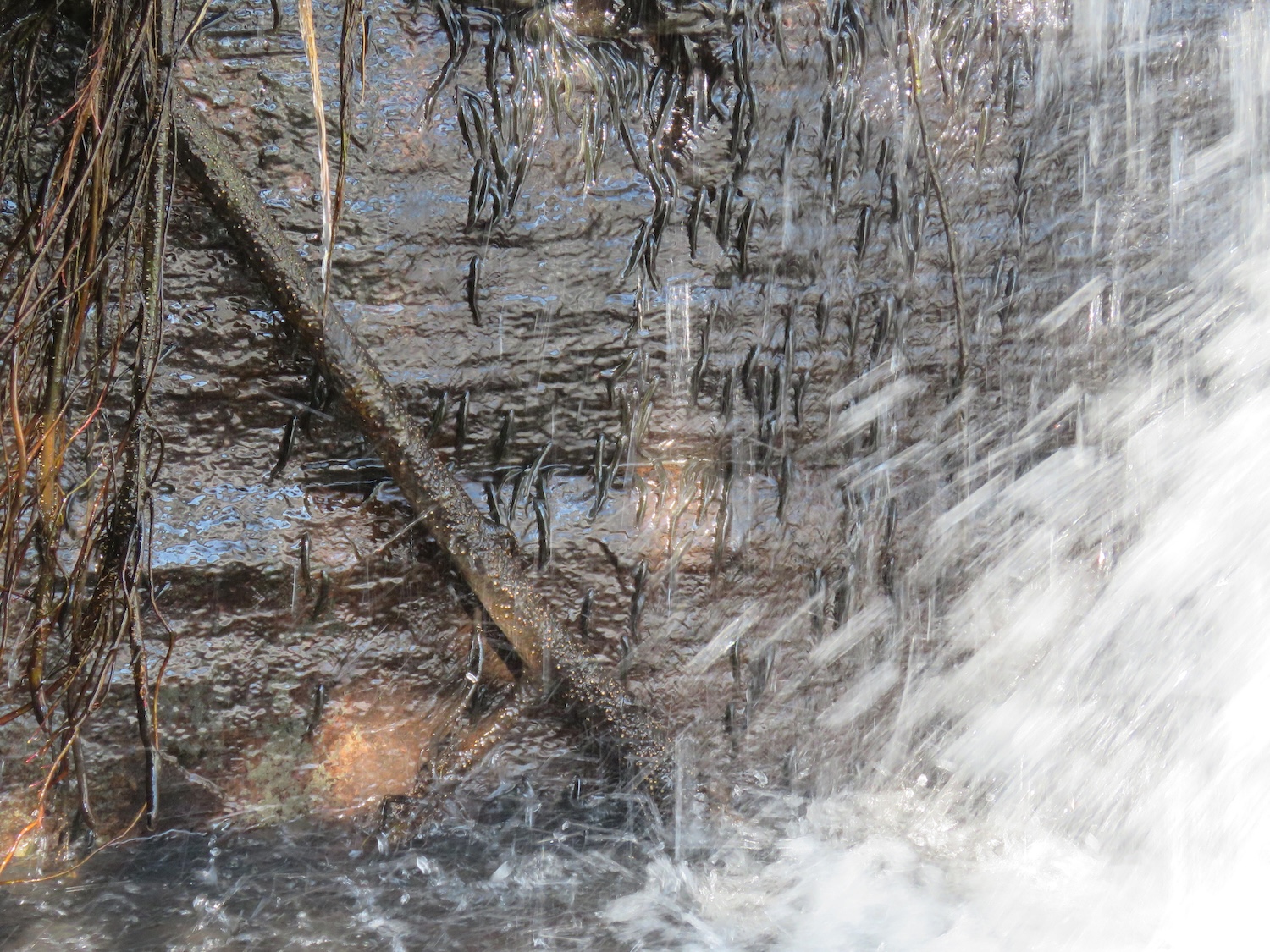
Stories of parkour shells, each measuring just 1.4 to 1.9 inches long, have circulated in the DRC for more than 50 years. But these claims have remained unverified, without any concrete scientific proof – until now. Between 2018 and 2020, a team led by Pacific biologist Kiwele Mutambala from the University of Lubumbashi visited Luvilombo Falls in southern DRC four times to observe the fish in action. There, they documented the shells’ journeys in photographs and video.
Shellear climbing migrations appear to occur primarily between April and May, at the end of the rainy season. To achieve their daring goals, the fish use hook-shaped growths under their pectoral and pelvic fins to push themselves upward. They will also move the back of their body from side to side to provide additional momentum. All this is done while the water continues to flow against them.
The difficult conditions make the work arduous. The team notes that it takes about 9 hours and 45 minutes for a shellear to scale the nearly 50-foot-high cliff of Luvilombo Falls. This is then broken down into approximately 15 minutes of active time, 30 minutes of brief breaks, and nine one-hour respites. Nor do their struggles guarantee success. Often, a rogue jet of water will cause a shellear to lose its grip and return to the pool, where it will have to start its entire mission again.
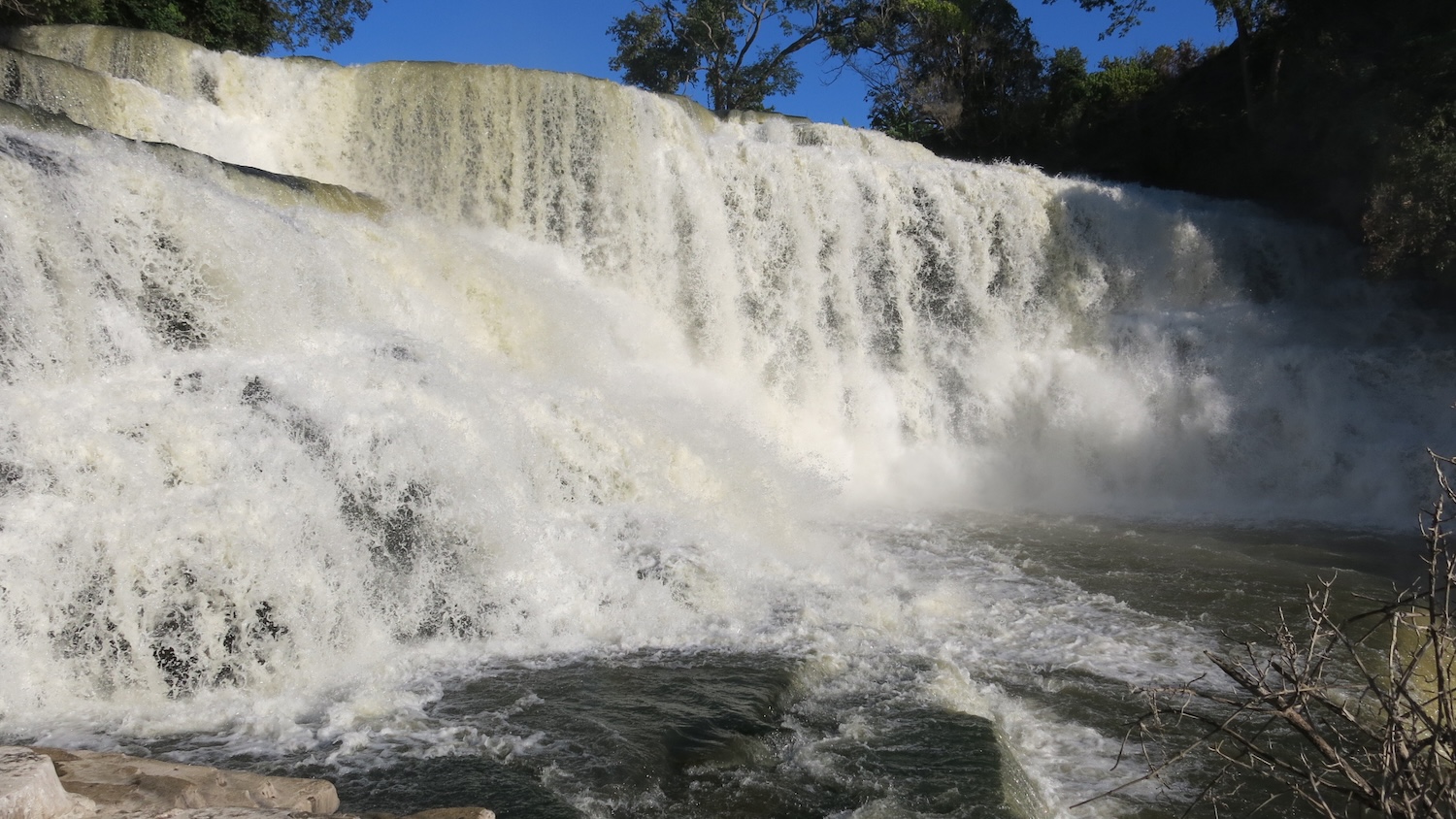
Why all this effort? Biologists have several theories. Shellfish may attempt these excursions after heavy rains wash them downstream. They can also allow fish to reach places where there is less food competition and fewer predators, such as silver butter catfish (Intermediate Schilbe).
Whatever the reason, the queue to climb the waterfall makes shellears vulnerable to illegal fishing tactics. Additionally, the region is at further risk of biodiversity loss due to potential projects to divert the river upstream to irrigate crops during the dry season. The shellfish population could disappear completely if conservation efforts in Upemba National Park lose support. The study authors hope that a better understanding of these impressive fish will highlight both the region’s incredible ecosystems and the need to protect them.

The best new PopSci 2025 releases


